Why Choose DentaPort Root ZX Morita?
Why Choose DentaPort Root ZX Morita?
Choosing an electronic apex locator affects more than measurement speed. It can influence working-length decisions, instrument control, and the clinician’s confidence during root canal treatment. The dentaport root zx morita system is recognized for combining apex-location technology with a practical clinical workflow. Its purpose is clear: help clinicians estimate the apical endpoint while reducing reliance on visual judgment alone.
That detail matters. During treatment, the operator may observe a narrow canal, changing moisture levels, or limited visibility. A stable reading can provide useful guidance in these moments. However, no electronic device is infallible. Readings should be interpreted alongside tactile feedback, radiographs, canal anatomy, and the patient’s clinical condition. This balanced approach reflects responsible endodontic practice.
Experienced clinicians also understand that technology requires technique. Correct file placement, appropriate isolation, and careful cable handling can affect the result. The device may feel unfamiliar during the first few cases. That is normal. Training, manufacturer instructions, and repeated use can improve consistency over time. Some clinical situations remain difficult, especially with unusual anatomy, open apices, perforations, or excessive fluid. Professional judgment remains essential.
For these reasons, evaluating DentaPort Root ZX Morita should involve more than its brand reputation. Consider measurement behavior, workflow efficiency, ergonomics, maintenance, and compatibility with established protocols. A reliable tool does not replace expertise. It supports better decisions when used carefully, documented properly, and reviewed with a critical mindset.
What Is DentaPort Root ZX Morita?
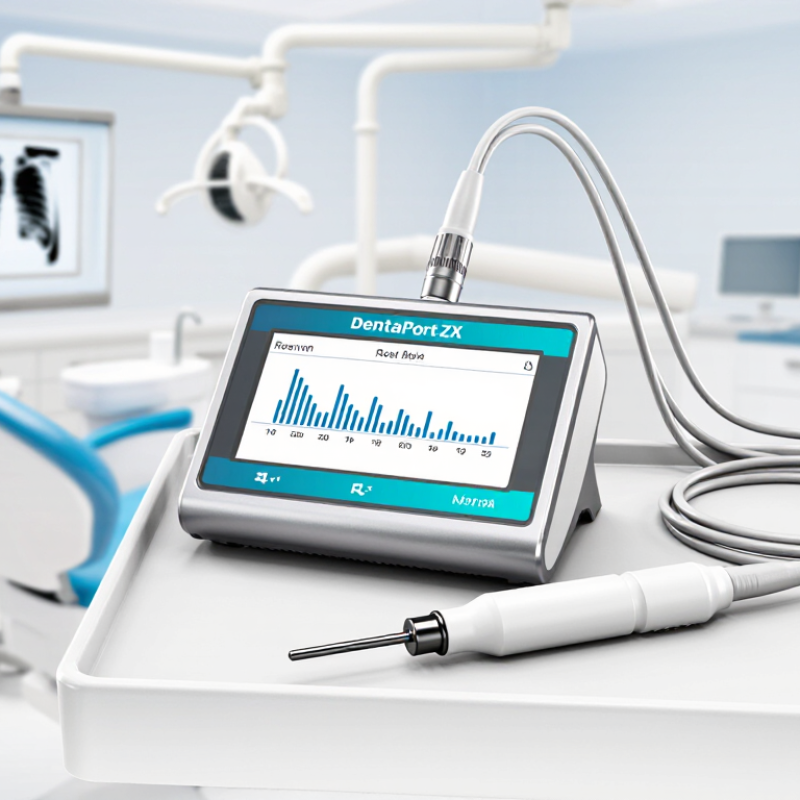
What is this device? It is an electronic apex locator used during root canal treatment.
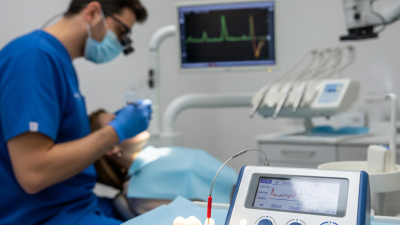
It estimates a file’s position inside the canal, especially near the apical constriction. The clinician watches the display while advancing a small file through the cleaned canal. That visual cue supports working-length control.
It does not replace diagnosis, radiographs, or clinical judgment. In some clinical setups, the measurement function works alongside an endodontic motor.
In practical use, the tooth is isolated with a rubber dam before measurement begins. An electrical circuit detects changes between the file and surrounding oral tissues. Stable readings can help reduce unnecessary file extension beyond the root tip. The benefit is precision, not speed alone. Small details matter. Moisture, blood, an open apex, or a perforation may affect the signal.
From an operator’s perspective, the screen is useful when tactile feedback feels uncertain.
Still, the first reading is not always the correct one. Experienced clinicians compare the electronic result with canal anatomy and imaging. That cross-check can reveal a false sense of confidence. A careful workflow makes the device an aid rather than an authority.
How DentaPort Root ZX Morita Measures Canal Length
Electronic apex locators measure canal length through electrical impedance, not visual guesswork. A small file enters the canal while the device compares resistance between the file and oral tissues. As the file approaches the apical constriction, the signal changes. The display then indicates a working-length position.
Modern multi-frequency systems perform better in moist canals, according to findings reported in Journal of Endodontics systematic reviews. These reviews commonly report 80% to 95% accuracy within 0.5 mm, although results vary by tooth type and canal condition. A 0.5 mm difference matters. Over-instrumentation may irritate periapical tissues, while a short measurement can leave infected tissue behind.
In clinical use, I first remove excess fluid and create a stable reference point. I advance the file slowly, watching for unstable readings near the apex. Calcification, open apices, metal restorations, and fluid contamination can affect measurement. The American Association of Endodontists recommends combining electronic readings with radiographic and clinical evidence. That remains important. An electronic reading is guidance, not absolute truth. I sometimes obtain a clean signal yet question the result after reviewing the radiograph. This hesitation is useful. Canal anatomy is three-dimensional, and no device completely replaces careful judgment.
Key Technologies Behind Its Endodontic Performance
Why Choose an Advanced Electronic Apex Locator?
Key Technologies Behind Its Endodontic Performance
Reliable working-length control begins with stable electronic measurement. Modern apex locators use multiple impedance frequencies to read changes around the apical constriction. This approach performs better than older single-frequency systems in wet canals. A 2022 review in the International Endodontic Journal reported accuracy rates commonly above 90% within ±0.5 mm. That margin matters when shaping narrow, curved canals.
Real-time signal processing helps filter interference from irrigants, metal restorations, and inconsistent contact. Some systems also provide visual and audible alerts as the file approaches the measurement zone. Clinically, this can reduce repeated radiographs and shorten chairside adjustments. Still, electronic readings are not infallible. An open apex, perforation, or blocked canal may produce a misleading result. Experience remains essential.
Tips: Pre-flare carefully, establish patency, and keep the file gently stable. Confirm unusual readings with a radiograph or another measurement method. A 2023 review in the Journal of Endodontics found that performance varies with canal anatomy and operator technique. That detail is easy to overlook. Good technology supports judgment; it does not replace it.
Why Choose DentaPort Root ZX Morita? – Key Technologies Behind Its Endodontic Performance
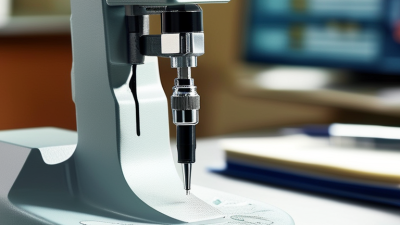
Standardized ISO endodontic file sizes provide a clear reference for canal preparation.
The file number corresponds to the tip diameter in hundredths of a millimeter, supporting controlled enlargement and consistent working-length management.
Electronic apex-location technology complements this process by helping clinicians estimate the apical endpoint under changing canal conditions.
Clinical Benefits During Root Canal Treatment
During root canal treatment, accurate working length helps protect both the apical tissues and the long-term result. An electronic apex locator can provide real-time feedback as the file advances through the canal. A clear reading may reduce repeated radiographs and shorten unnecessary adjustments. It also supports more controlled instrumentation.
In practice, the small display and audible signal can make a difference. The clinician can watch the measurement while guiding a file through a narrow, curved canal. This is especially useful when the radiographic image does not clearly show the apical endpoint. A stable reading supports confidence, but it should never replace clinical judgment or proper radiographic assessment.
Reliable results depend on technique. Excessive fluid, blood, metal restorations, open apices, and unusual anatomy may affect the measurement. I have learned that a hurried reading can be misleading. Rechecking the canal, improving isolation, and comparing findings often produces a safer decision. The device is not a shortcut. It works best when combined with tactile feedback, careful irrigation, and a consistent treatment protocol. Even experienced clinicians should pause when the reading conflicts with the canal’s feel or the radiograph. That pause matters.
Factors to Consider When Choosing DentaPort Root ZX Morita
Choosing an electronic apex locator requires more than a familiar name or attractive design. Accuracy in different canal conditions should be the main concern. Look for stable measurements in moist canals, narrow canals, and canals with mild bleeding. A clear display can help clinicians follow the file position without interrupting treatment. Audible signals may also support attention when visibility is limited. Small details matter.
The device should be simple to calibrate and compatible with commonly used endodontic files. Its handpiece needs a secure connection, while the screen should remain readable under strong operatory lighting. Infection control is equally important. Smooth surfaces and removable components can make cleaning more reliable. Check the manufacturer’s validated disinfection instructions before routine use.
Clinical evidence deserves careful review. Independent studies are more useful than promotional claims. No electronic locator performs perfectly in every tooth. Metal restorations, unusual anatomy, open apices, and excess fluid may affect readings. That limitation should shape the operator’s judgment. A radiograph and tactile feedback can still provide valuable confirmation. Training also changes results. A confident user may detect unstable readings earlier than a beginner. Before purchase, compare service support, warranty coverage, battery life, and replacement accessories. Test the unit in realistic cases, not only on a demonstration model. Performance may look different in a busy surgery.