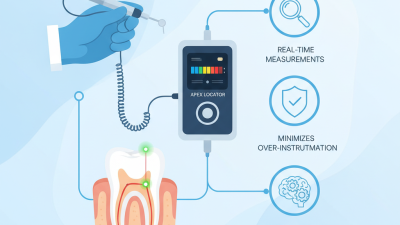
7 Best DentaPort ZX Apex Locator Options for Buyers
Choosing an apex locator is not simply a matter of comparing prices and screen designs. In endodontic treatment, small differences can affect working-length confidence, especially inside curved or partially calcified canals. This guide examines seven dentaport zx apex locator options for buyers who need practical, evidence-informed comparisons.
The review focuses on measurement stability, display readability, file compatibility, moisture handling, battery performance, and everyday ergonomics. A device should remain understandable when the operatory is busy, gloves are wet, and a molar canal offers limited visibility. We also consider setup time, manufacturer support, warranty terms, and the availability of reliable instructions.
Clinical conditions matter. Excess irrigant, blood, open apices, and metal restorations may influence readings. No locator removes the need for radiographic assessment, tactile feedback, and professional judgment. A bright screen can impress buyers, but it does not guarantee accuracy.
This shortlist is useful, not absolute. Dentists work differently. A specialist may value fine resolution, while a general practice may prefer simple controls and low maintenance. Some specifications can look stronger on paper than they feel during treatment. That deserves honest attention.
Each option is assessed for its practical strengths, possible limitations, and likely buyer profile. The goal is not to declare one universal winner. It is to help clinicians and purchasing teams choose a dependable tool for their workflows, budgets, and patient-care standards. Manufacturers may update features, so buyers should verify current documentation before ordering.
Define DentaPort ZX Apex Locator Functions and Buyer Criteria
A
modern electronic apex locator should do more than display a changing number. It should help clinicians estimate working length during root canal treatment. The core function is electrical impedance measurement between the file and oral tissues. Reliable models maintain stable readings in wet canals, near the apical constriction, and during small file movements.
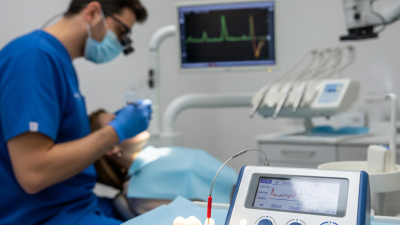
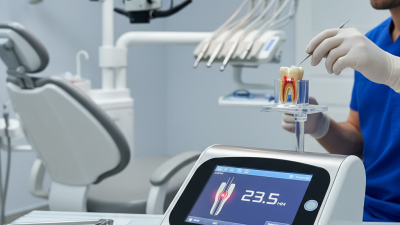
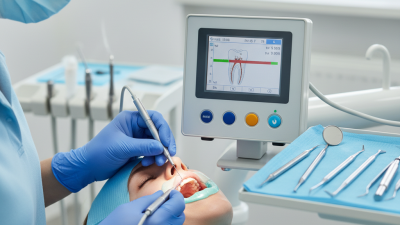
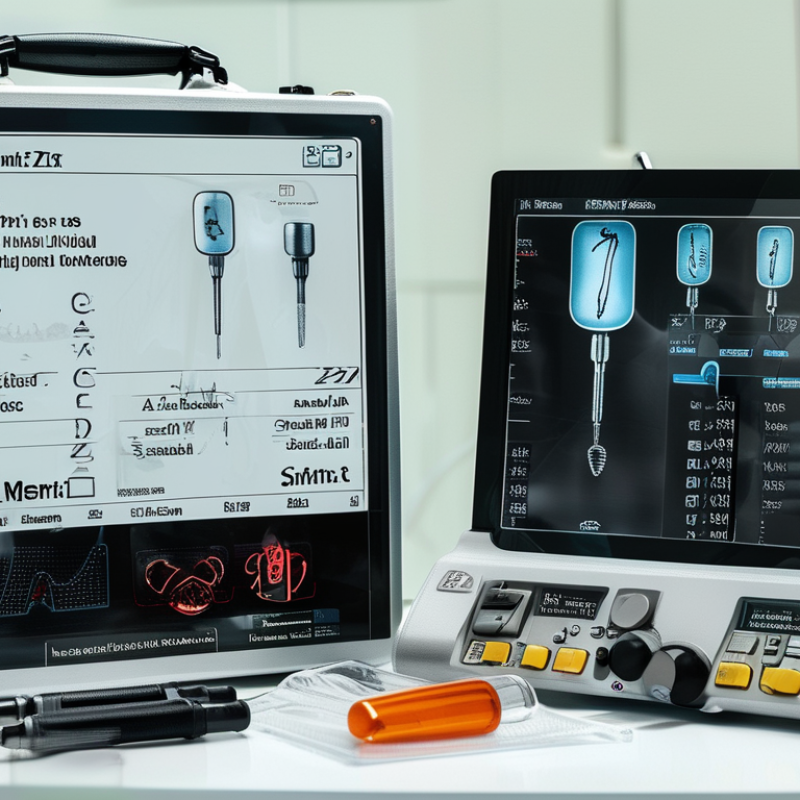
In chairside evaluations, clear audio signals and a readable screen can reduce unnecessary pauses. A compact unit also fits better beside an endodontic motor. Look for automatic calibration, secure file clips, flexible lip hooks, and a battery that survives a full clinical day. Some devices include visual bar graphs, memory settings, or compatibility with rotary systems. These features matter when gloves are wet and visibility is limited.
Buyer criteria should include accuracy testing, manufacturer documentation, service access, and cleaning requirements. Ask whether readings remain dependable with irrigants, metal restorations, or open apices. No apex locator is perfect. I would still confirm uncertain readings with tactile feedback and appropriate imaging. A low price can hide weak cables, poor screen contrast, or expensive replacement parts. Read independent clinical evidence, not only sales claims. Then compare the device with your canal anatomy, treatment volume, and staff workflow. Small details often decide whether the instrument supports careful treatment or simply adds another distraction.
Screen Seven Options Against Reported 82–94% Accuracy Within ±0.5 mm
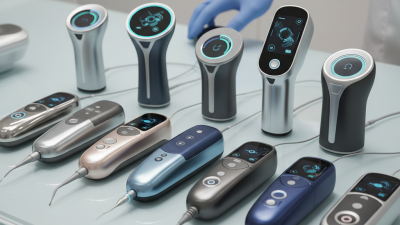
Choosing among seven DentaPort ZX apex locator options requires more than comparing screens and prices. Reported accuracy ranges from 82% to 94% within ±0.5 mm, but these figures are not guarantees. Test conditions, canal moisture, file size, and operator technique can change the result. A device that performs well in a straight canal may respond differently near an open apex or curved root.
In clinical use, I would examine display readability, audible signals, stability, and measurement repeatability. A clear screen helps when visibility is limited by saliva or a patient’s movement. Repeat readings matter. If the working length changes by 0.5 mm between attempts, that deserves investigation rather than blind trust. Manufacturer data can be useful, yet independent studies and real treatment experience carry greater weight. Some reported percentages also use small samples, which is easy to overlook.
Tips:
Keep the canal moist, not flooded. Use a stable reference point, and confirm the electronic reading with a radiograph when anatomy seems uncertain. Compare readings with different file positions. Record the measured length before shaping. Do not treat the ±0.5 mm range as permission to skip judgment. I have found that careful isolation improves consistency, though it does not eliminate errors. Even experienced operators can misread a fluctuating signal. Review the study methods behind each option, especially sample size, tooth type, and testing conditions.
Compare Performance in Dry, Wet, Bleeding, and Curved Canals
Choosing among seven apex locator options requires more than reading accuracy claims. Canal moisture changes the result. In dry canals, modern units may show unstable readings or fail to reach the apical signal. A small drop of saline can improve conductivity, but excessive fluid may create a false “apex.” The European Society of Endodontology recommends combining electronic measurements with radiographic and clinical judgment.
Bleeding is harder. Blood and inflammatory fluids can reduce signal stability, especially when the file contacts conductive tissue. A 2016 systematic review in the Journal of Endodontics reported accuracy rates commonly ranging from 82% to 100% within 0.5 mm of the apical foramen. That range matters. It shows that canal conditions influence outcomes, not only device design. Buyers should test repeatability after drying, irrigating, and controlling bleeding.
Curved canals deserve separate attention. Flexible files, a clear screen, and stable readings during file movement are practical advantages. Laboratory studies have reported high accuracy in curved canals, yet coronal interference and apical resorption can still mislead the display. A 2021 review in the International Endodontic Journal emphasized that electronic measurements should support, not replace, clinical verification. I would reject any option that performs well only in clean models. Real canals are untidy. Test each unit in dry, wet, bleeding, and sharply curved conditions before comparing price or accessories.
Check File Compatibility, IEC 60601-1 Safety, and Display Usability
When comparing seven DentaPort ZX apex locator options, treat file compatibility as a clinical safety question. Check the instructions for use, not only the product photograph. Confirm supported file alloys, taper ranges, clip connections, and reusable accessory limits. A file that feels familiar may still produce unstable readings. I have seen small connector differences delay treatment. That detail matters.
IEC 60601-1 compliance should cover basic safety and essential performance, including leakage current, insulation, and protection against electrical hazards. Request a current declaration of conformity and test documentation. Do not accept “medical grade” as evidence. IEC 60601-1:2005+A1:2012 defines the core framework, but local requirements may add conditions. The WHO Global Oral Health Status Report 2022 estimates that oral diseases affect nearly 3.5 billion people worldwide, increasing pressure for reliable, repeatable clinical tools.
Display usability deserves equal attention. A 2022 FDA human-factors guidance document recommends evaluating controls, alarms, visibility, and foreseeable use errors. Test the screen with gloves, overhead light, and a wet field. Large contrast bands help. Audible alerts should remain clear beside suction equipment. One weak point is often overlooked: operators may trust a steady bar too quickly. Compare the display with tactile file position and radiographic evidence when clinically appropriate. Seven options can look nearly identical, yet their screens may behave very differently under pressure.
7 Best DentaPort ZX Apex Locator Options for Buyers
Comparison of anonymous options using three practical buying dimensions: documented file compatibility, IEC 60601-1 safety information, and display usability.
Scores use a 0–10 checklist scale. File compatibility considers support for hand, rotary, and reciprocating files; safety considers the availability of IEC 60601-1 conformity information; display usability considers visibility, readability, and operator feedback.
Rank Warranty, Maintenance, and Five-Year Ownership Value
For seven apex-locator options, warranty length should not lead the ranking. Service access matters more after the first year. WHO’s Global Oral Health Status Report estimates that nearly 3.5 billion people live with oral diseases. That demand makes dependable endodontic equipment a practical investment, not a luxury.
Score each option across three areas: warranty, maintenance, and five-year ownership cost. A three-year warranty earns strong value, especially when it covers calibration, sensors, and battery faults. However, exclusions can weaken the promise. Ask for written repair times and local service availability. A device requiring overseas shipment may lose several weeks of clinical use.
Maintenance costs should include replacement clips, holders, cables, batteries, and annual verification. The U.S. FDA’s Medical Device Reporting guidance highlights the importance of tracking device failures and corrective actions. Keep a simple service log. It exposes recurring faults earlier. For five-year value, divide purchase price, consumables, repairs, and downtime by expected clinical uses. A 15% cheaper unit can become more expensive if it needs frequent recalibration. This is easy to miss.
My ranking would favor transparent service terms over attractive specifications. Independent verification against ISO 13485 quality practices can strengthen supplier confidence, though it does not guarantee effortless ownership. I would also reserve points for user training and documentation. That judgment is imperfect; local labor rates and case volume can change the result. Test the service process before purchasing, not after failure.