Cicada Apex Locator Top Choice for Global Buyers?
Cicada Apex Locator Top Choice for Global Buyers?
Global dental buyers are asking a practical question: can the cicada apex locator deliver dependable working-length measurements across different clinical settings? The answer requires more than a low price or a polished product page. Endodontists examine measurement stability, display readability, file compatibility, battery life, and performance in wet canals. Small details matter. A bright screen helps during treatment. A stable clip reduces interruptions.
Dr. Richard E. Walton, a widely cited endodontic authority, expressed an important clinical principle: “Electronic measurements are valuable, but they must be interpreted clinically.” That reminder keeps the cicada apex locator in perspective. It is a decision-support tool, not an independent diagnosis. Experienced clinicians still compare electronic readings with radiographs, tactile feedback, canal anatomy, and treatment conditions.
For international distributors, reliability also includes packaging, training materials, calibration guidance, and responsive technical support. A device may perform well in a demonstration yet feel less convenient during a crowded clinical day. That possibility deserves honest attention. Buyers should request verified specifications, sample units, warranty terms, and user feedback from comparable practices.
The cicada apex locator may appeal to global buyers seeking efficient endodontic workflows and accessible technology. However, “top choice” should never be assumed. It should be earned through repeatable results, clear evidence, and careful clinical evaluation. Performance can vary. So can expectations.

What Is the Cicada Apex Locator?
What Is the Cicada Apex Locator?
A cicada apex locator is an electronic dental device used during root canal treatment. It helps estimate the file’s position inside a tooth canal. The device measures electrical changes between the file and oral tissues. It then indicates the likely location of the apical foramen, where the canal approaches the root tip.
This measurement supports working-length control. Accurate length can help clinicians clean and shape the canal without extending instruments beyond the root. In practice, the display may change when the file touches metal restorations, excess fluid, or unstable tissue. A dry field, correct file contact, and careful isolation usually improve reliability. However, the reading is not magic. Curved canals, open apices, fractures, or unusual anatomy can confuse the result. Experienced clinicians compare the electronic reading with tactile feedback and suitable dental imaging.
Tips: Keep the area well isolated. Check the clip and file connection before measurement. Avoid relying on one reading. Take a second measurement when the result seems inconsistent. A short pause can reveal whether the signal is stable. The device is a helpful guide, not a substitute for clinical judgment. Calibration, maintenance, and staff training also matter. Small handling errors may create large working-length differences, so every reading deserves a careful review.
Cicada Apex Locator: What Is an Apex Locator?
An electronic apex locator estimates the position of a file inside a root canal by measuring changes in electrical impedance. Published clinical studies commonly report high accuracy when the measurement is compared with the canal endpoint, although results vary according to canal moisture, apical anatomy, file fit, and measurement protocol.
The chart shows commonly reported clinical accuracy ranges for electronic apex locator measurements at two frequently used tolerances. Accuracy within ±0.5 mm is generally lower than accuracy within ±1.0 mm. An electronic reading should be interpreted together with clinical findings and, when appropriate, radiographic verification.
How Does the Cicada Apex Locator Measure Canal Length?
How Does the Cicada Apex Locator Measure Canal Length?
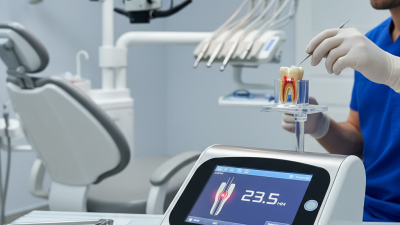
An electronic apex locator estimates the working length of a root canal by measuring electrical changes near the apical region. A small file moves through the canal while a lip clip completes the circuit. As the file approaches the periodontal tissues, impedance changes become more noticeable. The device converts these readings into a position shown on its display.
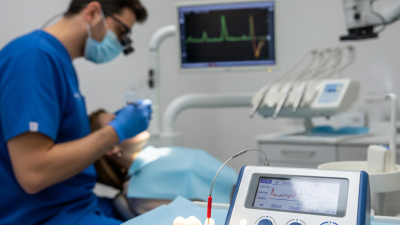
A clinician usually places a rubber dam, dries excess fluid, and clips the file securely. The selected file should fit the canal without binding. Its stopper then rests against a stable reference point, such as an incisal edge or cusp. The measured length is recorded before cleaning and shaping. Small details matter. A loose clip can create unstable readings.
Moisture can help conductivity, but excessive blood, irrigant, or saliva may distort the signal. Open apices, resorption, perforations, and large restorations can also reduce reliability. I would not treat one electronic reading as unquestionable evidence. A confirming radiograph and careful tactile assessment remain valuable, especially in complex anatomy. The file may appear close to the apex while the true working length differs slightly. Repeating the measurement after canal preparation often exposes that uncertainty. That extra check takes little time and may prevent over-instrumentation or inadequate cleaning.
Key Features and Clinical Applications
Cicada Apex Locator: Key Features and Clinical Applications
Modern electronic apex locators help clinicians estimate working length without relying on radiographs alone. Their core value is real-time feedback near the apical constriction. Many contemporary studies report accuracy above 90% within a 0.5–1.0 mm tolerance, although results vary with canal conditions. A 2022 systematic review in the Journal of Endodontics found that electronic measurements remain clinically dependable when combined with radiographic verification.
Useful features include multi-frequency impedance measurement, automatic calibration, visual distance bars, and audible alerts. A clear screen can reduce operator distraction during canal preparation. In practice, I check the file position after irrigation, then confirm the reading with a working-length image. Blood, exudate, large open apices, and perforations can distort signals. The device is helpful, not magical.
Clinical applications extend from routine molar treatment to retreatment and curved canals. A stable reading may prevent over-instrumentation, protecting periapical tissues and reducing postoperative irritation. The European Society of Endodontology’s quality guidance supports electronic length measurement as part of a combined assessment, rather than a standalone decision. That distinction matters.
Some cases still challenge the operator. Calcified canals may produce unstable readings. External root resorption can confuse the endpoint. Careful file control, isolation, and repeated measurements remain essential. A confident beep is not proof. Experience must question it.
How Does Cicada Compare with Other Apex Locators?
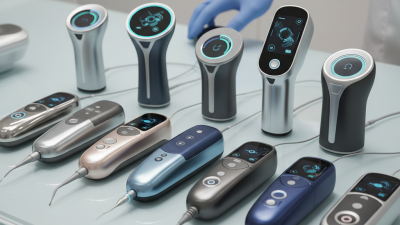
Choosing an apex locator requires more than comparing prices or screen designs. Clinicians should examine measurement stability, file compatibility, calibration needs, and performance in wet canals. A reliable device should provide consistent readings when fluids, blood, or irregular anatomy affect the canal environment.
Compared with other apex locators, a modern unit may offer clearer visual signals, faster measurements, and easier chairside handling. However, these advantages do not guarantee better clinical decisions. In my experience, the best comparison comes from repeated testing on extracted teeth, training models, and routine cases. Check whether the reading changes when the file moves slightly. Small fluctuations matter. Battery access, probe quality, and warranty support also influence long-term value. Independent clinical evidence is more persuasive than polished advertising.
Tips: Test the device with your usual files. Compare readings in dry and moist canals. Confirm uncertain measurements with radiographic assessment and clinical judgment. Do not rely on one beep alone. A compact screen can look convenient, yet poor visibility under bright operatory lights may slow treatment. I also find that staff training is often underestimated. A technically advanced locator can perform poorly when users interpret its signals differently. No device is perfect. Careful comparison remains necessary.