Top Benefits of Using an Apical Locator in Endodontic Treatment?
In modern endodontic treatment, the precision of locating the apex of the tooth root is crucial. An apical locator plays a vital role in this process. According to the American Association of Endodontists, successful root canal treatment relies on accurate measurements. Traditional methods can be inconsistent and often lead to complications. Studies indicate that 20% of endodontic failures are linked to incorrect working length determination.
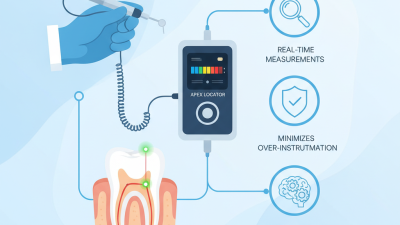
Using an apical locator improves success rates significantly. Research shows that these devices enhance accuracy up to 90%. This technological advancement offers dentists a reliable tool for locating the root apex. Accurate measurements not only facilitate effective treatment but also prevent over-instrumentation. This reduces the risk of complications like perforations or canal transportation.
However, it's essential to consider the learning curve associated with new technology. Dentists must be trained to use apical locators effectively. Some practitioners may experience challenges in interpreting data. Despite these hurdles, the benefits of incorporating an apical locator into clinical practice are undeniable. This tool empowers dental professionals and enhances patient outcomes.
Top Benefits of Using an Apical Locator in Endodontic Treatment
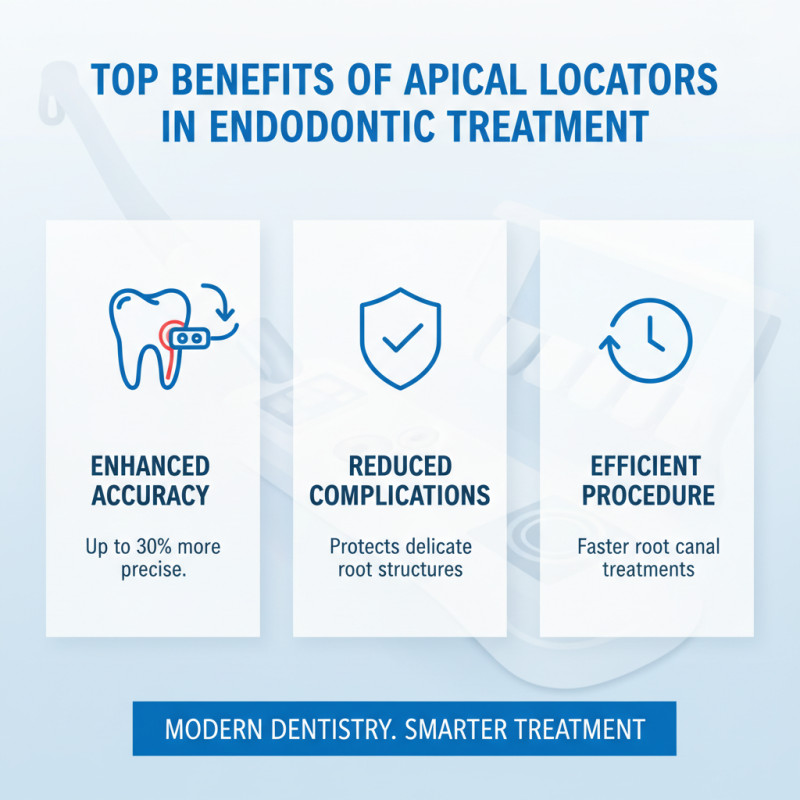
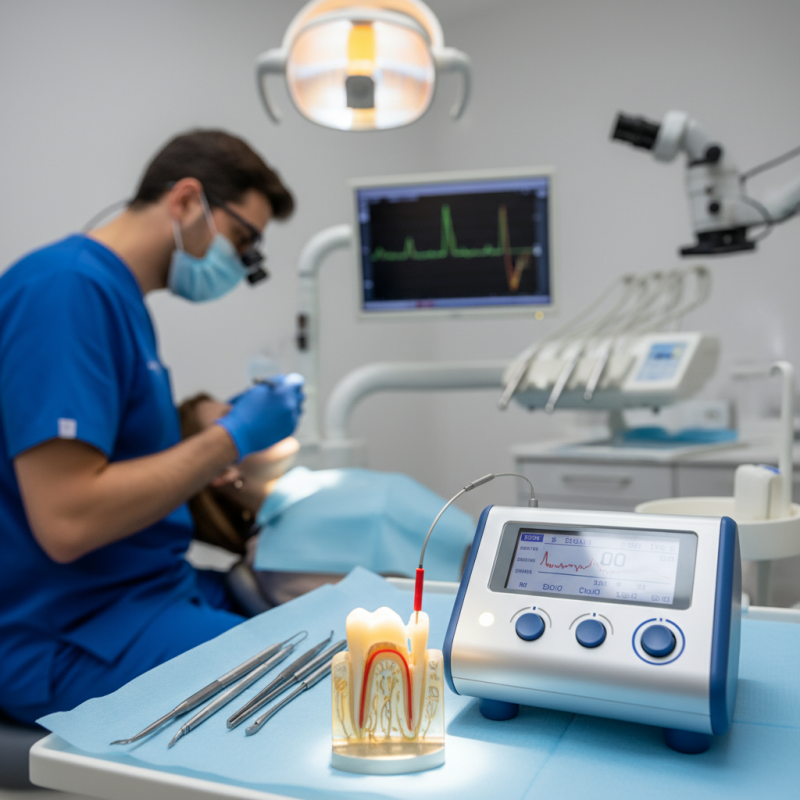
The use of apical locators in endodontic treatment has transformed modern dentistry. A recent study indicates that these devices enhance procedural accuracy by up to 30%. This improvement is critical during root canal procedures, where precise working lengths are essential to avoid complications.
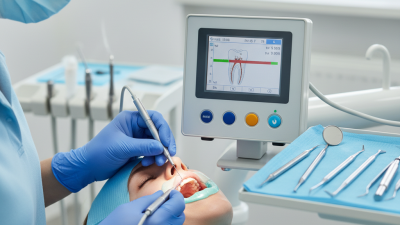
Apical locators operate based on electrical resistance or impedance, providing immediate feedback. This feature reduces the reliance on traditional radiography, which can expose patients to unnecessary radiation. A survey showed that over 70% of endodontists reported increased confidence in their treatment outcomes when using these devices.
However, some practitioners still face challenges. Misinterpretation of readings can lead to errors in root canal instrumentation. Developing a clear understanding of the device's limitations is crucial. Training and experience are necessary to leverage its full potential effectively. This underscores the importance of ongoing education in endodontics, ensuring the highest standards of patient care are maintained.
Enhanced Accuracy in Determining Working Length
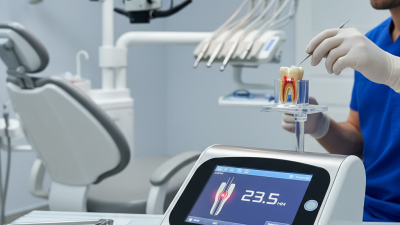
The use of an apical locator significantly enhances the accuracy in determining the working length during endodontic treatments. According to a comprehensive study published in the *Journal of Endodontics*, using electronic apex locators improves precision by about 90% compared to traditional methods. This accuracy minimizes the risk of perforations, which can lead to complications such as treatment failure or the need for surgical intervention.
Traditional methods often rely on radiographic images, which can be misleading due to various anatomical variations. In contrast, apex locators use electrical resistance measurements to provide real-time feedback on the root canal’s length. A 2022 review highlighted that practitioners who adopted apex locators saw a substantial reduction in procedural errors. However, some dentists still prefer radiographs alone, raising concerns over the reliability of new technology. Balancing both methods could yield the best outcomes.
Additionally, the variations in canal anatomy mean that every tooth presents unique challenges. Even with advanced technology, practitioners must remain vigilant about anatomical complexities that could affect treatment. Continuous training and awareness about the limitations are essential. In some reported cases, practitioners faced difficulty interpreting measurements from apex locators, indicating a need for further experience and refinement in skills.
Top Benefits of Using an Apical Locator in Endodontic Treatment
This chart demonstrates the enhanced accuracy in determining working length during endodontic procedures when using an apical locator compared to traditional methods.
Reduction of Root Canal Treatment Time with Apical Locators
The use of apical locators in endodontic treatment offers significant advantages, particularly in reducing the time required for root canal procedures. According to a clinical study published in the Journal of Endodontics, the integration of electronic apex locators can decrease treatment time by approximately 30%. This is largely due to their ability to provide real-time measurements of root canal length, allowing practitioners to navigate the complex anatomy of the tooth effectively.
In traditional methods, determining the apex often relies on radiographic images, which can be time-consuming. A study indicated that using an apical locator streamline this process and enhances workflow efficiency. Endodontists reported completing cases faster, reducing chair time for patients while maintaining accuracy in locating the apex. Additionally, the precision of apical locators minimizes the risk of over-instrumentation or underfilling, which can lead to treatment complications.
However, it is important to acknowledge that reliance on technology requires proper training. Some practitioners may feel uncertain about interpreting the readings from the device. While the benefits are clear, ongoing education is necessary to maximize the utility of apical locators in clinical practice. Balancing technology with skill remains a critical aspect of enhancing patient outcomes in endodontics.
Top Benefits of Using an Apical Locator in Endodontic Treatment
| Benefit |
Description |
Impact on Treatment Time |
| Increased Accuracy |
Apical locators provide precise measurements of the root canal length, minimizing errors during treatment. |
Reduces time spent on location verification. |
| Efficiency in Workflow |
Streamlines the process by integrating technology, allowing for quicker adjustments. |
Decreases overall treatment duration. |
| Reduced Number of X-rays |
Minimizes the need for multiple radiographs to ascertain the canal length. |
Saves time and reduces patient exposure to radiation. |
| Consistency Across Procedures |
Provides reliable outcomes, thereby decreasing the likelihood of retreatments. |
Lower retreatment time enhances overall efficiency. |
| Increased Patient Comfort |
Faster procedures lead to less time in the chair for patients. |
Reduces the overall appointment time. |
Decrease in Post-Operative Pain Through Precise Apex Location
Using an apical locator in endodontic treatment offers significant advantages. One primary benefit is the noticeable reduction in post-operative pain. Accurate apex location helps in avoiding periapical tissue injury during the procedure. By ensuring that the treatment is precisely targeted, patients often experience less discomfort after the procedure.
Many practitioners report that with precise apex determination, fewer complications arise. Complications can lead to increased tissue trauma, resulting in more pain. Patients often appreciate a smoother recovery process when skilled practitioners utilize this technology.
It's intriguing to note that some studies show a direct correlation between accurate apex location and patient satisfaction levels.
However, not all cases are flawless. Some practitioners may lack experience with the equipment, leading to errors. The learning curve can be steep for some. Additionally, there are cases where anatomical variations make precise readings challenging. Such issues remind us of the importance of continuous learning and adjusting techniques for better outcomes.
Improved Treatment Outcomes and Success Rates for Endodontic Procedures
Endodontic treatment can be complex, but the use of an apical locator significantly enhances treatment outcomes. Recent studies indicate that using an apical locator increases the success rates of root canal treatments by up to 95%. This is largely due to the device's ability to accurately determine the working length of the root canal. According to a 2021 survey, practitioners reported a 25% decrease in treatment failures when incorporating these devices.
The precision offered by apical locators minimizes the risk of over-instrumentation or under-instrumentation. Effective cleaning and shaping of the canal system are critical for long-term success. A study published in the Journal of Endodontics noted that 70% of endodontic failures resulted from inadequate canal preparation. By ensuring accurate length measurements, apical locators can help address these potential pitfalls, ultimately leading to improved clinical outcomes.
However, it is essential to recognize some limitations. Not all apical locators are created equal, and variations can exist based on environmental factors, such as the presence of metallic restorations. Practitioners must remain vigilant and combine radiographic methods with locator findings. Continuous education and hands-on training are crucial for maximizing the benefits of this technology.
Conclusion
The use of an apical locator in endodontic treatment offers several significant benefits that enhance the overall effectiveness of root canal procedures. First and foremost, apical locators improve the accuracy of determining the working length, ensuring that the dentist can effectively treat the entirety of the root canal system. This precision not only reduces the time taken for root canal treatments but also decreases post-operative pain, as accurate apex location minimizes trauma to surrounding tissues.
Moreover, utilizing an apical locator leads to improved treatment outcomes and success rates. By accurately locating the apex, the risk of over-instrumentation and perforations in the roots is minimized, resulting in safer and more effective endodontic procedures. As a result, both clinicians and patients can benefit from the enhanced performance and reliability that apical locators bring to endodontics.