Top Digital Apex Locator Manufacturers in China

Choosing a digital apex locator is not a specification-sheet exercise. In a treatment room, the decision affects how clinicians estimate working length, manage chairside workflow, and verify canal measurements. China’s manufacturers serve a global dental market, but buyers should compare evidence carefully: accuracy claims, testing methods, calibration guidance, warranty terms, and access to technical support all matter.

The World Health Organization’s Global Oral Health Status Report (2022) estimates that oral diseases affect nearly 3.5 billion people worldwide. That figure describes broad need, not demand for apex locators. Commercial market reports also tend to group these devices within wider dental or endodontic equipment categories, so their market estimates may not represent locator sales alone. John A. Chandler, an endodontic researcher and co-author of a peer-reviewed review on electronic apex locators, discusses their use in determining root-canal working length. His work offers useful clinical context, but it should not be mistaken for an endorsement of any manufacturer.

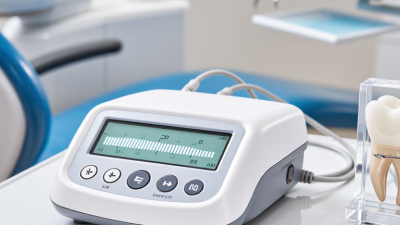
Look closely. A compact unit, clear screen, and stable file connection can help at the chair, yet they do not prove clinical performance. This guide compares leading Chinese manufacturers through product documentation, manufacturing transparency, and available service information. Some details may remain difficult to verify publicly. That limitation deserves attention, not a guess.

Top Digital Apex Locator Manufacturers in China

Overview of Digital Apex Locators and Their Role in Endodontics

Digital apex locators estimate the working length of a root canal by detecting changes in electrical resistance or impedance. This helps clinicians approach the apical foramen without relying only on radiographs. A 2021 systematic review in the Journal of Endodontics reported accuracy ranges of approximately 75% to 96%, depending on device generation and testing conditions.

That variation matters. Moisture, blood, wide apical openings, and metallic restorations can affect readings. In a clinical setting, the file may stop at a clear digital signal, while the radiograph tells a slightly different story. Experienced endodontists usually compare both findings. A device should support judgment, not replace it.

For buyers evaluating digital apex locator manufacturers in China, measurement stability deserves close attention. Professional reports from the International Organization for Standardization emphasize controlled testing, electrical safety, and repeatable performance for dental equipment. Manufacturers should also provide calibration information, accuracy data, battery specifications, and user training materials. A bright screen is not enough.

I would question any claim of “100% accuracy.” Real canals are irregular. A 2023 review in the European Endodontic Journal also highlighted the importance of combining electronic measurements with clinical and radiographic assessment. Practical testing should include curved canals, retreatment cases, and different irrigation conditions. Those details reveal more than a laboratory demonstration.

Key Technologies and Clinical Functions of Apex Locators

Top Digital Apex Locator Manufacturers in China

Modern apex locators use impedance measurements to estimate the file’s position near the apical foramen. Multifrequency systems perform better in wet canals than older resistance-based devices. Their clinical value is practical: they help establish working length, reduce over-instrumentation, and support safer irrigation control.

Evidence remains useful, but not perfect. A systematic review in the Journal of Endodontics reported that electronic measurements often exceed 80% accuracy, while results vary with device type and study design. The European Society of Endodontology recommends combining electronic measurements with clinical judgment and radiographic assessment. A 2022 WHO Global Oral Health Status Report estimated that oral diseases affect nearly 3.5 billion people worldwide. This scale increases demand for reliable endodontic workflows, not merely cheaper equipment.

Tips: Dry the pulp chamber before measurement, but avoid desiccating the canal. Confirm the file fits loosely and reaches the apical area without force. Watch the display during canal enlargement. False readings may occur with perforations, open apices, severe resorption, metallic restorations, or excessive irrigant. Do not trust one number blindly. Experienced clinicians still compare the electronic reading, tactile feedback, and radiographic evidence. The less comfortable point is that “high accuracy” claims may use different definitions, so buyers should examine independent test methods, sample size, and clinical conditions before selecting a Chinese manufacturer.

Top Digital Apex Locator Manufacturers in China – Key Technologies and Clinical Functions of Apex Locators

Technology or Design Area How It Works Clinical Function Practical Considerations
Multi-frequency impedance measurement Measures electrical impedance using more than one signal frequency and evaluates changes as the file advances in the canal. Estimates the file tip’s position relative to the apical constriction and major apical foramen. Readings can be influenced by canal contents, file contact, and the canal’s anatomy; confirm an unexpected reading clinically.
Automatic calibration and signal processing Electronic circuitry processes the measurement signal and displays the calculated file position. Provides continuous chairside feedback during working-length determination. Calibration behavior, error alerts, and operating instructions are model-specific and should be checked in the device’s instructions for use.
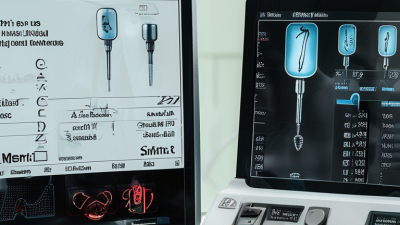
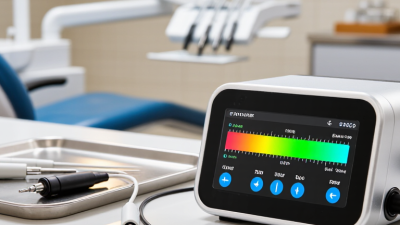
Visual position display A screen uses indicators, a scale, or a moving file graphic to show progress toward the apical region. Helps clinicians monitor file advancement and identify the device’s indicated apical reference point. Display labels and visual scales differ between devices; the screen should not be interpreted as a direct radiographic image.
Audible progress alerts Tone patterns or changes in pitch accompany changes in the displayed file position. Offers an additional cue while the operator views the access cavity or screen. Alert patterns and volume controls vary by model; they supplement, rather than replace, visual monitoring.
File-holder and lip-clip circuit Completes the measurement circuit between the endodontic file and the patient through the supplied accessories. Enables electronic measurement during canal instrumentation. Secure connections and clean, intact accessories are important. Follow the manufacturer’s cleaning, disinfection, and replacement instructions.
Rechargeable or replaceable power system Powers the measurement electronics through an internal rechargeable battery or replaceable batteries, depending on the design. Supports portable use in the dental operatory. Battery type, charging method, and operating time are model-specific; check the product documentation before purchase.
Compact enclosure and accessory compatibility A tabletop or handheld enclosure houses the electronics and connects to the measurement cable and accessories. Allows the unit to be positioned near the treatment area for convenient access. Dimensions, cable design, and compatible accessories differ across products and should be verified against the intended clinical setup.
Manufacturing quality and regulatory documentation Quality systems and product documentation address design controls, production checks, traceability, and applicable regulatory requirements. Supports consistent production and provides information needed for safe use and maintenance. Verify current certificates, intended markets, labeling, service arrangements, and applicable approvals for the specific device and jurisdiction.

Clinical note: An electronic apex locator provides an estimate of canal file position. Interpret its reading alongside clinical findings and other appropriate methods; no single device reading is a substitute for professional judgment.

Major Digital Apex Locator Manufacturers in China

China’s digital apex locator industry has grown through specialized medical-device manufacturing and steady clinical feedback. Major digital apex locator manufacturers in China often combine electronic design, precision assembly, and dental research.

Their facilities may include calibration rooms, aging-test stations, and controlled production areas. Technicians inspect probes, cables, screens, and signal stability before shipment. Small details matter.

Experienced manufacturers focus on measurement consistency, not only attractive casing design. They test devices in different canal conditions and compare readings with reference measurements.

Many maintain quality systems aligned with international medical-device requirements. Some provide traceable inspection records and batch-level testing reports. Others offer limited technical documentation. That difference deserves attention.

International buyers should review production experience, verification methods, and after-sales response before selecting a supplier. Factory audits can reveal whether testing is routine or performed only for demonstrations.

Buyers should also request sample units and compare readings across repeated procedures. Training materials can improve correct clinical use, especially for new operators.

Some manufacturers respond quickly to technical questions. Others need several days. That is not always a failure, but it deserves explanation.

A reliable manufacturer should discuss limitations openly, including readings affected by moisture, anatomy, or unstable contact.

No device replaces professional judgment.

Feedback from dentists can still expose practical weaknesses that laboratory tests miss.
How to Evaluate Chinese Manufacturers and Product Capabilities

Top Digital Apex Locator Manufacturers in China

Evaluating Chinese manufacturers requires more than comparing prices or product photos. Ask how each digital apex locator is tested across different canal conditions. Request documented accuracy data, repeatability results, and details about calibration procedures. A careful supplier should explain the test setup, not just quote a single performance figure. Check whether the device maintains stable readings when the canal is moist, and ask what limitations users should expect. Realistic answers matter.

Review production controls as well as product specifications. Ask how incoming components are inspected and how finished units are checked before shipment. Examine the user manual for clear instructions on file compatibility, display signals, and troubleshooting. If possible, arrange a sample evaluation with trained clinicians and record readings across comparable cases. A few tests are not conclusive, but they can reveal usability issues. I may be overlooking something: a polished sample cannot prove consistent batch quality. Request traceable inspection records and a clear process for reporting faults.

Tips: Compare written test methods, not marketing claims. Confirm software or accessory updates, warranty terms, and response times for technical support. Keep the questions specific. A useful reply should include evidence, practical limits, and a named contact role—not vague promises.

Top Digital Apex Locator Manufacturers in China

How to Evaluate Chinese Manufacturers and Product Capabilities

This procurement framework prioritizes measurement performance and regulatory compliance, followed by manufacturing consistency, usability, and long-term service capability. Buyers should verify each supplier against ISO 13485 quality management, IEC 60601-1 electrical safety, IEC 60601-1-2 electromagnetic compatibility, clinical accuracy data, and documented production controls.

Industry Standards, Quality Assurance, and Market Developments

China’s digital apex locator manufacturers are judged by more than screen clarity or compact size. Buyers should examine quality systems, electrical safety testing, risk controls, and documented production checks. ISO 13485 supports a consistent medical-device quality management system; IEC 60601-1 addresses basic safety and essential performance for medical electrical equipment. These standards do not replace product-specific verification. Small details matter.

Quality assurance should reach the clinic bench. Ask for evidence of calibration procedures, batch traceability, software verification, and performance testing across different canal conditions. A stable reading in a wet canal matters more than a polished brochure. Yet paperwork can look cleaner than a real workflow. That gap deserves scrutiny.

Market demand is tied to continuing oral-health needs, not just new technology. The WHO Global Oral Health Status Report (2022) estimated that oral diseases affect nearly 3.5 billion people worldwide. This figure is not an apex-locator sales forecast, but it shows the scale of need behind endodontic care. Manufacturers are responding with clearer displays, rechargeable designs, and simpler clinic workflows. Improvements still require independent validation; convenience alone is not proof of accuracy.

Leading and shaping the future of endodontics globally is our life’s work.