Choosing between Woodpex V and Black Woodpecker can feel simple, until clinical details complicate the decision. Both devices aim to locate the working length during root canal treatment. Yet accuracy depends on canal moisture, file stability, anatomy, and the operator’s technique. The phrase apex locator woodpex v black woodpecker represents more than a product comparison. It reflects a practical question about confidence, consistency, and value in daily endodontic work.
Endodontist Dr. Gianluca Plotino offers a useful guiding principle: “An electronic apex locator should support clinical judgment, not replace it.” That warning matters. A modern display may show stable readings, but a calcified canal can still create uncertainty. Small errors become visible when the file approaches the apical constriction. A clear screen helps. So does a reliable hand position.
This comparison will examine measurement stability, usability, display behavior, battery practicality, and performance across common canal conditions. It will also consider how Woodpex V and Black Woodpecker respond when the canal is slightly wet, narrow, or anatomically irregular. No device wins every case. That is the uncomfortable part.
Clinical experience can expose weaknesses that specifications hide. One operator may prefer faster readings. Another may value a simpler interface or stronger visual feedback. Cost also matters, especially for smaller practices. However, the cheapest choice may become expensive if repeated measurements slow treatment. The best decision should match clinical habits, case complexity, and maintenance expectations. Readers should treat this guide as a reasoned comparison, not an absolute verdict. Further chairside testing remains necessary.
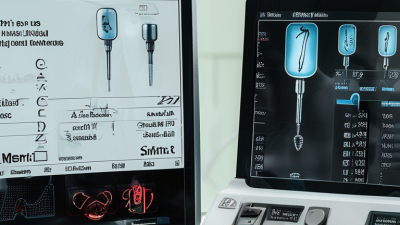
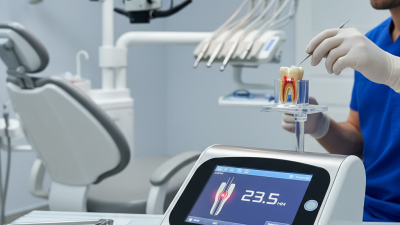
The two electronic apex locators serve the same clinical purpose: estimating working length during root canal treatment. Their product designs usually include a color screen, audible signals, file clips, lip hooks, and rechargeable batteries. One model may feel lighter in hand, while the other may offer a larger display and clearer progress bars.
In practical use, stable readings depend on canal conditions, file contact, and moisture control. I have found that a steady reading is more useful than a fast one. Both devices should be checked before treatment and compared with radiographic findings when needed. Neither unit replaces professional judgment. Specifications can also change between production batches, so current manuals deserve attention. That detail is easy to overlook.
Tips: Keep the file clip clean and dry. Test the cable before placing the rubber dam. Avoid relying on one beep alone. Confirm the reading after slight file movement. Extremely wet canals may create unstable signals, while dry canals can reduce contact. A short pause often helps the display settle. Beginners may prefer the screen with stronger visual contrast. Experienced users may value smoother audio cues and simpler controls. The “better” choice depends on handling comfort, measurement stability, service support, and training needs. A lower price is not automatically better. Calibration records, battery condition, and replacement accessories also influence long-term reliability.
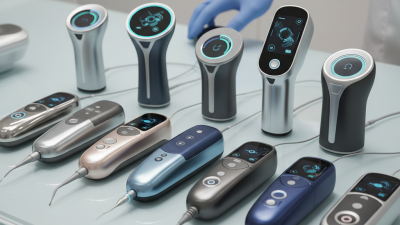
A modern electronic apex locator should be judged by measurement stability, display clarity, and clinical handling, not appearance alone. The newer unit typically offers a color screen, multi-frequency measurement, automatic calibration, and a wider visual scale near the apical zone. The established unit may provide a simpler interface, faster setup, and dependable readings during routine canal preparation. Both should support file clips, lip hooks, and audible alerts.
Technical specifications deserve closer attention. Check the stated accuracy range, operating frequency, battery type, charging time, and water-resistance rating. A stable reading is more useful than a large screen when the canal contains irrigant. In my experience, overly sensitive signals can distract during curved-canal treatment. I once trusted a steady display without checking the file position. That was a useful mistake. Radiographic confirmation and working-length judgment still matter.
Tips: Test the cable before treatment. Keep the file clip clean and dry. Compare readings with a reference tooth when possible. If the display changes suddenly, pause and inspect contact, moisture, and file size. A longer battery life helps busy clinics, but accurate readings depend more on correct electrode placement. Neither design is automatically better; the practical choice depends on canal complexity, operator habits, and verified specifications from the current user manual.
This anonymous comparison focuses on commonly published technical specifications for two electronic apex locators. Lower accuracy tolerance indicates a tighter measurement range, while higher values indicate more listed operating capacity.
Specifications can vary by production version and regional documentation. Always confirm the latest technical manual before clinical use.
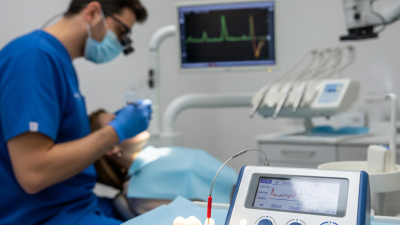
Accuracy depends on more than the electronic apex locator itself. Canal moisture, metallic restorations, file size, and apical anatomy can change the reading. In clinical use, both compared units may provide stable measurements when the canal is prepared and isolated correctly. One may appear more consistent in wet canals, while the other may feel easier to interpret through a brighter display and clearer audio signals. That difference matters during busy treatment sessions.
Usability often decides the practical winner. A compact body, responsive controls, and a secure file clip reduce interruptions. The more accurate device is not always the better clinical choice if its readings fluctuate or its interface slows treatment. Clinicians should compare repeated measurements with working-length radiographs and tactile feedback. My assessment would not trust a single beep. Neither device is flawless, especially in wide apical foramina, perforation risks, or canals containing conductive fluids. Independent testing under similar conditions would strengthen any final preference.
Tips: Dry excess fluid without overdrying the canal. Check the cable before every case. Take two readings. Record the result. If the measurement shifts noticeably, pause and investigate rather than adjusting the file blindly. A short calibration routine can expose loose connections, although it may feel unnecessary during a rushed appointment.
Brand-neutral comparison of two electronic apex-locator configurations using clinically relevant performance criteria. Exact head-to-head superiority should be confirmed under the same in-vitro protocol and clinical conditions.
| Evaluation Dimension | Locator A | Locator B | Clinical Interpretation |
|---|---|---|---|
| Measurement principle | Multifrequency impedance-based electronic measurement. | Multifrequency impedance-based electronic measurement. | Multifrequency systems are generally more dependable than single-frequency systems when the canal contains moisture, irrigant, or conductive debris. |
| Reported working-length target | Electronic indication of the apical constriction or apical foramen. | Electronic indication of the apical constriction or apical foramen. | The electronic reading should be interpreted together with the radiograph, tactile feedback, canal anatomy, and treatment objectives. |
| Expected laboratory accuracy range | Approximately 0.5–1.0 mm in favorable conditions | Approximately 0.5–1.0 mm in favorable conditions | This range reflects commonly reported performance for modern electronic apex locators, not a guaranteed result for every canal or clinical case. |
| Performance in moist canals | Generally suitable | Generally suitable | Canal moisture is usually necessary for electrical measurement, but excessive irrigant, blood, or a fluid-filled pulp chamber may produce unstable readings. |
| Tolerance to common irrigants | Condition-dependent | Condition-dependent | Sodium hypochlorite, saline, chlorhexidine, and EDTA can influence readings differently depending on concentration, canal volume, and electrode contact. |
| Apical reading stability | Stable when the file is centered, the lip clip has good contact, and the chamber is controlled. | Stable when the file is centered, the lip clip has good contact, and the chamber is controlled. | Unstable readings are more often associated with poor isolation, lateral perforation, open apices, excessive fluid, or file contact with metallic restorations. |
| Display usability | Color-coded visual progression with an audible alert near the selected apical reference. | Color-coded visual progression with an audible alert near the selected apical reference. | Visual and audible cues can reduce the need to shift attention away from the operative field, particularly when the display is positioned within the clinician’s line of sight. |
| User learning curve | Low to moderate | Low to moderate | Reliable use depends more on isolation, electrode placement, file control, and recognition of abnormal readings than on the display alone. |
| Readings in wide or immature apices | Less predictable | Less predictable | Electronic apex locators are less reliable when the apical constriction is absent, resorbed, perforated, or substantially enlarged. |
| Readings in retreatment cases | Useful with precautions | Useful with precautions | Residual filling material, metal posts, fractured instruments, and perforations can cause false or fluctuating signals; radiographic verification remains important. |
| Need for radiographic confirmation | Recommended when anatomy or the electronic signal is uncertain. | Recommended when anatomy or the electronic signal is uncertain. | No electronic apex locator eliminates the need for diagnostic imaging in complex anatomy, suspected resorption, perforation, or unusual apical morphology. |
| Battery and portability considerations | Portable chairside format; battery condition should be checked routinely. | Portable chairside format; battery condition should be checked routinely. | Low battery power, contaminated contacts, damaged cables, and poor clip connection may reduce confidence in the reading. |
| Infection-control workflow | Requires barrier protection and cleaning of reusable accessories according to the manufacturer’s instructions. | Requires barrier protection and cleaning of reusable accessories according to the manufacturer’s instructions. | Disposable barriers do not replace proper disinfection of the unit, file holder, lip clip, and connecting cables between patients. |
| Overall clinical performance | Appropriate for routine working-length determination | Appropriate for routine working-length determination | In routine cases, technique quality and canal conditions generally have a greater effect on accuracy than small differences between comparable modern devices. |
| Best selection criterion | Clear display, stable signal, simple controls, and dependable accessory connections. | Clear display, stable signal, simple controls, and dependable accessory connections. | Before purchase, compare independent accuracy data, warranty support, replacement accessories, calibration requirements, and local service availability. |
Evidence note: Accuracy values for electronic apex locators vary with canal diameter, apical anatomy, irrigant, file position, reference standard, and study design. The approximate 0.5–1.0 mm range is a commonly reported clinical benchmark for favorable conditions rather than a model-specific guarantee.
When comparing two electronic apex locators, compatibility should guide the decision. Check their file range, display response, and connection type. A unit should work reliably with common endodontic files and standard dental chairs. Some models need proprietary cables or adapters. That can complicate treatment and raise replacement costs. Test the device with your preferred files before purchase.
Durability depends on more than the outer casing. A stable connector, sealed control panel, and reinforced probe can tolerate daily clinical handling. In practice, the cable often fails before the screen. I have seen small bends create intermittent readings. That problem is easy to overlook. A device with clear alarms and a readable display also reduces handling errors during wet procedures. Still, no electronic locator should replace radiographic assessment and clinical judgment.
Maintenance directly affects measurement consistency. Wipe the control unit with an approved disinfectant, but never flood its openings. Clean the lip clip and file holder after every patient. Inspect cables weekly for cracks, stiffness, or loose contacts. Battery performance deserves attention too. A weak battery may cause unexpected shutdowns during treatment. Follow the manufacturer’s cleaning instructions, even when they seem overly cautious. I sometimes underestimate how quickly residue builds around connectors. That mistake can produce unstable readings and unnecessary troubleshooting. Keep a simple service log for battery changes, cable checks, and calibration concerns.
When comparing two mid-range electronic apex locators, overall value depends on clinical consistency, not the lowest purchase price. Systematic reviews in the Journal of Endodontics commonly report 82%–97% accuracy within 0.5 mm of the apical foramen. Results vary with canal moisture, file size, and anatomy. That range matters.
In practical use, a dependable unit should read steadily in a narrow, curved canal. A clear display helps when lighting is poor. Stable readings in the presence of irrigant can reduce repeated radiographs and unnecessary file adjustments. However, neither device replaces tactile control or a confirming radiograph in difficult cases. That limitation is easy to forget.
The better value comes from total ownership cost. Check battery replacement, probe durability, calibration needs, warranty coverage, and local technical support. A 2023 market analysis from Fortune Business Insights identified rising demand for compact digital endodontic equipment, but market growth does not prove clinical superiority. The American Association of Endodontists also emphasizes combining electronic measurements with clinical judgment, especially in immature, resorbed, or perforated roots.
One detail deserves honest attention: specifications may look impressive, yet real performance can change after repeated disinfection. A lower-priced locator may win initially, but poor clips or drifting readings can increase chair time. A more expensive model may offer better value only when its accuracy remains stable, accessories are available, and staff can operate it confidently. Test both under wet and dry canal conditions before deciding.
DENTSPLY Maillefer - USA
5100 E. Skelly Drive, Suite 300
Tulsa, Oklahoma 74135
DENTSPLY Maillefer - Canada
161 Vinyl Court
Woodbridge, ON L4L 4A3
Toll-free in the U.S.:
1-800-924-7393
Toll-free in Canada:
1-800-263-1437
Toll-free in the U.S.:
1-800-924-7389
Toll-free in Canada:
1-888-336-8775