China Top Apex Woodpecker Suppliers and Manufacturers

China has become an important production base for dental apex locators, endodontic motors, and related clinical equipment. Among these products, apex woodpecker devices attract attention for their compact design, digital displays, and practical use in root canal procedures. However, a familiar brand name does not automatically prove consistent quality.

Dr. Stephen Buchanan, a respected endodontic educator, often stresses this practical principle: “Technology should support clinical judgment, not replace it.” That idea matters when evaluating China’s top apex woodpecker suppliers and manufacturers. A reliable supplier should provide clear technical specifications, traceable production records, calibration information, and responsive after-sales support. ISO 13485-based quality systems can also indicate disciplined medical-device manufacturing, although certification should always be verified directly.

This guide looks beyond product photographs and attractive catalog language. It considers measurement stability, display readability, battery performance, probe durability, packaging, and operator training. Small details matter. A loose cable can interrupt a procedure. An unclear alarm can create hesitation.

Real purchasing experience also reveals a less comfortable truth: the lowest quotation may not represent the lowest total cost. Replacement accessories, software limitations, inconsistent documentation, and delayed service can change the final decision. Some suppliers communicate well before payment, then respond slowly afterward. That risk deserves attention.

The following overview compares supplier capabilities, manufacturing experience, export readiness, and product support. It does not treat every manufacturer equally. Careful verification remains necessary, especially when choosing apex woodpecker equipment for clinics, distributors, or private-label projects.
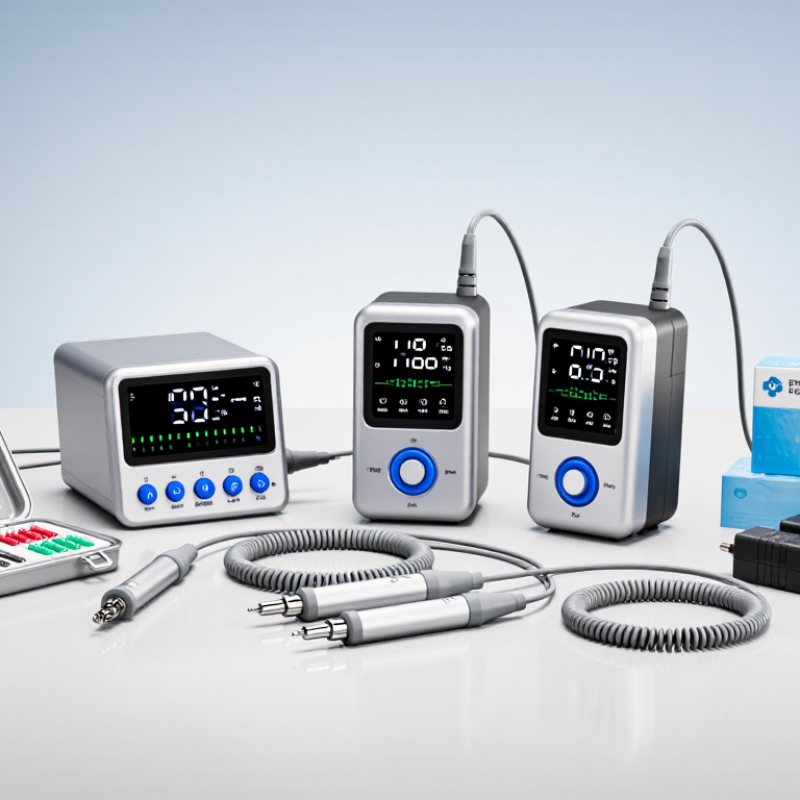
China Top Apex Woodpecker Suppliers and Manufacturers

What Is an Apex Woodpecker and How Is It Used?

An apex woodpecker is a specialized woodworking tool or cutting attachment with a pointed working end. The name is not a universal technical term. In some catalogs, it describes a compact bit for drilling, carving, or enlarging holes in timber. Its pointed tip helps locate the center and reduce slipping on smooth boards. The cutting edges then remove wood in controlled layers. It may be used for cabinet joints, pilot holes, decorative details, and small repairs. Performance depends on the material, diameter, and cutting angle.

In practical work, secure the board firmly before use. Mark the center clearly. Select a size that matches the joint or opening, rather than forcing a larger tool. Use steady pressure and moderate speed. Excessive force can burn the wood or damage the edge. Hard timber may require slower passes, while soft wood can split around the exit hole. Wear eye protection and inspect the shank before operation. I would not trust the product name alone. Specifications matter more.

Tips:

Test the tool on scrap wood first. Check runout, edge sharpness, and surface finish. Keep the cutting area clean. A shallow test cut can reveal alignment problems early. Suppliers should provide material compatibility, dimensions, tolerance data, and care guidance. Clear technical details often indicate more reliable manufacturing. Even experienced users can overlook grain direction. That mistake is easy to make.

Key Features of China’s Apex Woodpecker Suppliers

China’s apex woodpecker suppliers often combine product development with flexible manufacturing. Many operate CNC workshops, assembly lines, and in-house testing areas. This structure supports faster design changes and smaller trial orders. Buyers can request drawings, material options, and sample adjustments before mass production.

Strong suppliers usually provide clear technical specifications. These may include dimensions, load limits, surface treatment, operating conditions, and packaging details. Quality teams often inspect incoming materials, test finished units, and record batch information. Traceability matters when a component fails after installation. It helps buyers identify the cause instead of guessing.

Communication is another practical feature. Experienced suppliers assign technical contacts who understand production terms and export documents. They can discuss tolerances, inspection standards, spare parts, and delivery schedules without vague promises. Some also support customized colors, mounting methods, or labeling. Not every supplier gets this right. A polished catalog cannot replace factory evidence, sample testing, and transparent records. Buyers should compare actual samples with approved drawings. Small differences in hole position or surface finish can create costly delays. This is where careful verification becomes more valuable than a low quotation.

How China’s Apex Woodpecker Manufacturers Produce Their Products

China’s precision woodworking manufacturers usually begin with a controlled material inspection. Aluminum plates, stainless steel parts, and hardened tool components receive measured checks. Workers verify thickness, hardness, flatness, and surface quality before machining begins. This prevents minor defects from spreading through an entire production batch.

CNC machines cut guide rails, fences, bases, and adjustment components with repeatable accuracy. Operators still monitor tool wear, cutting temperature, and vibration. A machine can repeat a program, but it cannot judge every unusual mark. After machining, technicians remove sharp edges and clean metal dust from each part. Some factories use anodizing or protective coatings to improve durability and handling comfort. Assembly teams then fit knobs, scales, bearings, and fastening hardware by controlled torque values.

Quality testing usually includes sliding checks, dimensional measurements, load tests, and repeated adjustments. Inspectors compare finished pieces with technical drawings and approved samples. Packaging staff add protective films, foam inserts, and moisture-resistant materials for export shipments. The process is not flawless. Small scratches, tight knobs, or uneven markings can still appear during busy production periods. Reliable manufacturers record these issues, trace their causes, and adjust inspection points instead of hiding them. Clear inspection reports, stable production records, and responsive after-sales communication help buyers judge a supplier’s real manufacturing capability.

Quality Standards and Customization Options

China’s leading apex device suppliers build quality into every production stage, not only the final inspection. Experienced manufacturers usually operate under ISO 13485-based quality systems. They also control incoming components, assembly records, calibration, and batch traceability. Each unit should pass accuracy checks across different canal conditions. This matters in real clinics. Moisture, file position, and patient anatomy can affect readings. A clear test report is more useful than a polished brochure.

Reliable manufacturers may evaluate electrical safety, software stability, and enclosure durability under applicable international requirements. They should provide user instructions, maintenance guidance, and documented corrective procedures. Ask for sample records before placing a large order. A factory visit or independent audit can reveal storage problems, weak training, or inconsistent testing. Small details matter. A loose connector can damage confidence quickly.

Customization can cover screen language, measurement units, probe design, cable length, housing color, firmware functions, and packaging. Suppliers may also adjust warning sounds, startup screens, and accessories for different clinical workflows. However, customization should not weaken essential safety or accuracy controls. A lower-cost casing may look attractive but fail repeated cleaning. That risk deserves discussion. Pilot samples, verification testing, and written approval limits help prevent expensive changes later. Some specifications may still need refinement after clinical feedback, and honest suppliers should document those revisions rather than hide them.

How to Select a Reliable Chinese Apex Woodpecker Supplier

How to Select a Reliable Chinese Apex Woodpecker Supplier

Selecting an apex woodpecker supplier requires more than comparing prices. The global power tools market was valued at approximately USD 36.8 billion in 2023, according to Fortune Business Insights. Growing demand attracts capable factories and careless traders. That difference matters.

Ask for material certificates, dimensional drawings, and recent inspection records. For cutting or drilling components, check alloy composition, heat treatment, edge hardness, and runout tolerance. Request production samples before placing a large order. Measure them yourself after repeated use. A clean first sample can still hide weak batch control.

Factory verification is essential.

China recorded more than 426,000 ISO 9001 certificates in the ISO Survey 2022, but certification alone does not prove product consistency. Visit the workshop, or use an independent audit. Check calibration labels, incoming-material records, and final inspection procedures. Confirm whether the supplier controls coating, grinding, and packaging internally. Ask for traceability by batch number. Good suppliers answer clearly.

Do not ignore communication. A reliable team should explain tolerances, minimum order quantities, tooling charges, and realistic lead times. Compare written quotations, not chat promises. The supplier should also provide export documentation and a replacement process for defective goods.

I have seen buyers focus on a low unit price and overlook unstable dimensions. That mistake becomes expensive. Still, even a careful audit cannot remove every risk, so begin with a small trial order and review the results honestly.

Leading and shaping the future of endodontics globally is our life’s work.