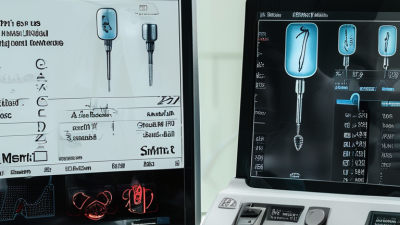
Choosing an apex locator for a dental practice is not just a price comparison. The device must fit your workflow, clinical needs, and team’s experience. A clear display, reliable connection, and simple controls can matter during a busy appointment. Small details count. When you buy apex locator equipment, consider how it performs with the files and endodontic systems your clinicians already use. Check the manufacturer’s instructions, compatibility information, warranty, and service arrangements before making a decision. A low purchase price may not reflect the full cost of ownership.
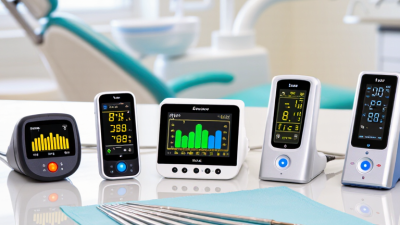
Accuracy claims deserve careful reading. Ask how the device should be used, what conditions may affect readings, and whether staff training is available. An apex locator supports working-length assessment; it does not replace clinical judgment or other appropriate checks. Even experienced clinicians can encounter inconsistent readings, especially when conditions are challenging. That is worth acknowledging, not glossing over. Request a demonstration if possible, and have the people who will use the device assess its handling and screen visibility. Compare a short list of suitable models against practical needs, rather than choosing by feature count alone. The right purchase is the one your team can use consistently, maintain properly, and evaluate with a clear understanding of its limits.

Before buying an apex locator, review the procedures your practice actually performs. Are most cases routine root canal treatments, or do you often manage curved canals, retreatments, and narrow roots? These details affect how useful features such as stable readings, a clear display, and reliable performance in challenging canal conditions may be. An apex locator supports working-length assessment; it does not replace clinical judgment or appropriate imaging.
Patient volume matters, too. Estimate how many endodontic procedures your team completes each week, then consider whether one device can move smoothly between treatment rooms. A busy practice may value simple controls and easy cleaning, while a lower-volume clinic may prioritize a straightforward setup. Check the instructions for use and staff training needs before purchasing. It is easy to overestimate demand from a few busy weeks, so compare your estimate with a longer period.
Tips: Track procedure types and monthly case counts for several weeks. Ask clinicians what slows them down during canal measurement. Keep the notes practical. A simple count can miss seasonal changes, so revisit your estimate before ordering.
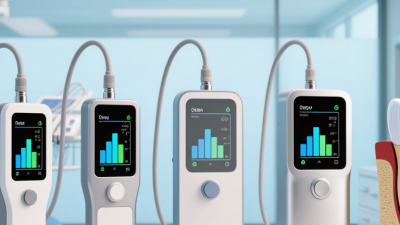
When comparing apex locators, look beyond screen size and advertised precision. Older resistance-based designs rely on a single electrical relationship. Many current devices use multiple frequencies and algorithms to interpret impedance changes as the file advances. That can help when the canal contains moisture or irrigant, but readings still depend on clean file contact and a stable electrical connection. Check whether the display shows distinct “apex” and “working-length” zones, and whether readings remain steady during gentle file movement.
Measurement targets matter. The European Society of Endodontology’s quality guidelines describe working length as ending near the apical constriction, not automatically at the radiographic tip. Kuttler’s classic histologic study found the constriction averaged about 0.5 mm from the apical foramen in younger teeth and 0.7 mm in older teeth. Small distances, big consequences. Choose a device with clear visual and audible signals, adjustable volume, and a display that remains readable under operatory lighting.
Ask how the unit behaves in wide canals, retreatment cases, and canals with conductive fluids. Compare its stated measurement tolerance with independent clinical research, rather than relying only on laboratory demonstrations. Confirm that the handpiece fits your files and that the unit’s instructions explain calibration and error alerts. A neat, stable reading can feel reassuring. It is not infallible, and I would still verify an unexpected result before shaping.
A feature comparison of common electronic apex locator measurement approaches.
How to read this chart: 1 indicates that the approach uses the measurement feature; 0 indicates that it does not. Resistance-based methods use DC resistance, while impedance-based methods use AC signals. Multi-frequency methods compare impedance across two or more frequencies. This is a technology overview, not a ranking of clinical accuracy; implementation varies by device.
Before buying an apex locator, check how it will connect to the endodontic equipment already in your practice. Confirm that its file clip, lip clip, cables, and any required adapters are compatible with your handpieces or integrated endodontic unit. Connector shape matters. A device that works well on a bench may be awkward beside a crowded treatment tray.
Review the instructions for use alongside your usual procedures. If you alternate between hand instrumentation and rotary or reciprocating files, make sure the locator can be used safely with each workflow. Ask whether the motor and locator can operate together, or whether they should be used separately to reduce possible electrical interference. A short trial with a typodont can reveal loose clips, cable snags, or a display that is hard to read under operatory lighting. Small details count.
Consider the canal conditions your team commonly encounters, including narrow canals, retreatment, or cases with unusual anatomy. Read the device guidance on moisture, irrigants, and situations where readings may be less predictable; do not assume every canal gives a clear signal. Keep a paper checklist for accessories and function checks. It helps, though it will not catch every awkward setup. Compatibility is practical, not just a connector question.
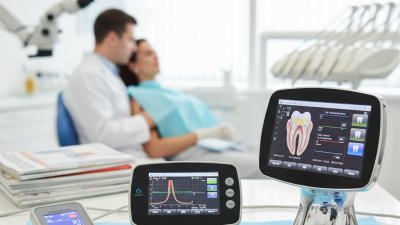
Accuracy should be judged against clear technical specifications and clinical evidence, not a large number on a product page. Check how the device performs under different canal conditions, and follow its stated operating instructions. Ask clinicians who have used similar equipment what they notice during routine appointments. A specification sheet cannot show how the display feels to read while you are working. Small details matter. Test the controls with gloved hands, check screen visibility under operatory lighting, and see whether the unit fits your existing workflow. A simple setup can save time, though ease of use alone does not prove clinical accuracy.
Read the warranty carefully. Check its duration, exclusions, repair process, and whether shipping or loaner equipment is included. Confirm what happens if a cable, clip, or other component needs replacement. Then estimate the total cost, including accessories, staff training, maintenance, and possible downtime—not just the purchase price. Compare those costs over the expected service life. The lowest quote may become less attractive if essential items are sold separately. A slightly awkward point: clinics may overlook the time spent learning a new device. Ask for a demonstration, review the instructions, and let the intended users try the controls before making a decision.
Choosing a supplier for an apex locator means checking more than the purchase price. Ask who provides clinical and technical support, and how quickly they usually respond. A clear answer is more useful than a vague promise. Request a live demonstration using the device’s display, file clip, and lip clip. That matters.
Confirm that training covers setup, calibration checks, correct clip placement, and interpreting readings. Staff should have time to practise with the unit before using it in patient care. Ask how new team members can receive training later. Get the details in writing. Keep it practical.
Before buying, review the warranty, repair process, and availability of replacement accessories. Find out whether support is available by phone or video, and what information staff should provide when troubleshooting. A short reference guide can help during a busy appointment, but it should not replace hands-on instruction. If possible, ask the supplier to demonstrate a common error, such as a loose connection, and explain how to check it safely. One detail is easy to miss: support hours may not match your clinic’s schedule.
DENTSPLY Maillefer - USA
5100 E. Skelly Drive, Suite 300
Tulsa, Oklahoma 74135
DENTSPLY Maillefer - Canada
161 Vinyl Court
Woodbridge, ON L4L 4A3
Toll-free in the U.S.:
1-800-924-7393
Toll-free in Canada:
1-800-263-1437
Toll-free in the U.S.:
1-800-924-7389
Toll-free in Canada:
1-888-336-8775