Top Apex Locators to Buy for Dental Clinics Worldwide

Choosing the right apex locator can influence working-length accuracy, treatment confidence, and daily clinical efficiency. For clinics worldwide, the decision involves more than searching online to buy apex locator equipment. Dentists must examine measurement stability, display readability, file compatibility, battery life, and after-sales support.

Endodontist and researcher Dr. Gianluca Plotino has emphasized, “An apex locator supports clinical judgment; it does not replace it.” This principle matters in busy treatment rooms. A device may perform well in a dry canal, yet behave differently with blood, irrigants, curved anatomy, or inconsistent file contact. Small details matter.

This guide compares leading apex locators used by dental professionals across different clinical environments. It considers accuracy claims, testing methods, ergonomic design, calibration requirements, and practical feedback from endodontic workflows. It also reviews warranty coverage, documentation, training resources, and regional compliance expectations. These factors can affect ownership costs long after purchase.

No device is perfect. Even advanced models require careful technique, radiographic correlation, and professional interpretation. That is easy to overlook.

Readers planning to buy apex locator products will find clear comparisons rather than exaggerated promises. The discussion highlights suitable choices for general practices, specialist clinics, mobile units, and teaching institutions. It also identifies limitations that manufacturers may not emphasize. A reliable purchase should fit the clinic’s procedures, budget, patient volume, and staff experience—not merely its feature list.
Top Apex Locators to Buy for Dental Clinics Worldwide

Apex Locators Explained: Purpose, Anatomy, and Clinical Working-Length Control

Top Apex Locators to Buy for Dental Clinics Worldwide

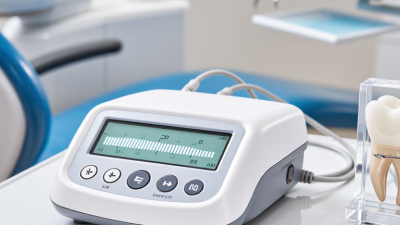
Apex locators help clinicians estimate canal length electronically during root canal treatment. They measure electrical impedance as a file approaches the apical foramen. The goal is precise working-length control, not simply locating the radiographic root tip. The apical anatomy is rarely perfect. The apical constriction may be narrow, widened, displaced, or absent. Curved canals and resorption can further change the reading.

Clinical technique matters greatly. After rubber dam isolation, the clinician should create a clear access cavity and remove excess irrigant from the chamber. A small, stable file connects to the measuring clip. The file advances gently until the display approaches the apex indication, then withdraws toward the selected reference point. Many clinicians set the working length about 0.5 to 1 millimeter short of the major foramen, while confirming the decision with radiographic and tactile findings.

Keep the field controlled.

A stable reading is more trustworthy. Blood, conductive irrigants, open apices, perforations, and contact with metal restorations may produce confusing signals. In practice, repeated measurements often reveal more than one hurried reading. I have found that a clear display can still encourage overconfidence. Anatomy may disagree. Clinics selecting an apex locator should assess measurement stability, file connectivity, autoclavable components, screen visibility, battery reliability, and staff training. No device replaces clinical judgment or careful canal exploration.

Measurement Science: Multifrequency Impedance and the ±0.5 mm Accuracy Benchmark

Choosing top apex locators for dental clinics worldwide requires more than comparing screens, alarms, or battery life. Measurement science deserves closer attention. Multifrequency impedance systems assess electrical resistance and reactance across changing frequencies. These signals help estimate file position near the apical constriction.

The ±0.5 mm accuracy benchmark sounds precise. It is useful, but not absolute. A credible locator should support this claim with independent testing, defined canal conditions, and a clear reference point. Accuracy can shift with moisture, blood, saline, metal restorations, or an open apex. Clinicians should inspect the canal, establish working length, and confirm questionable readings with radiographic evidence when appropriate.

Small details matter. Look for automatic calibration, stable readings, readable displays, and electrodes that remain secure during treatment. A device should also explain its testing method in accessible technical documents. This supports informed purchasing and safer clinical decisions. In practice, multifrequency measurement can reduce uncertainty, but it cannot replace anatomical judgment. That limitation is easy to overlook.

Some readings remain inconsistent.

Clinics should record unusual cases, compare electronic and radiographic measurements, and review performance over time. This feedback can reveal operator habits or environmental interference. A dependable apex locator is not simply the one with the boldest accuracy claim. It is the one that performs predictably, communicates uncertainty, and fits a documented clinical workflow.

Product Shortlist: Cordless, Multifrequency, and Integrated Apex Locators Compared

Top Apex Locators to Buy for Dental Clinics Worldwide

Product Shortlist: Cordless, Multifrequency, and Integrated Apex Locators Compared

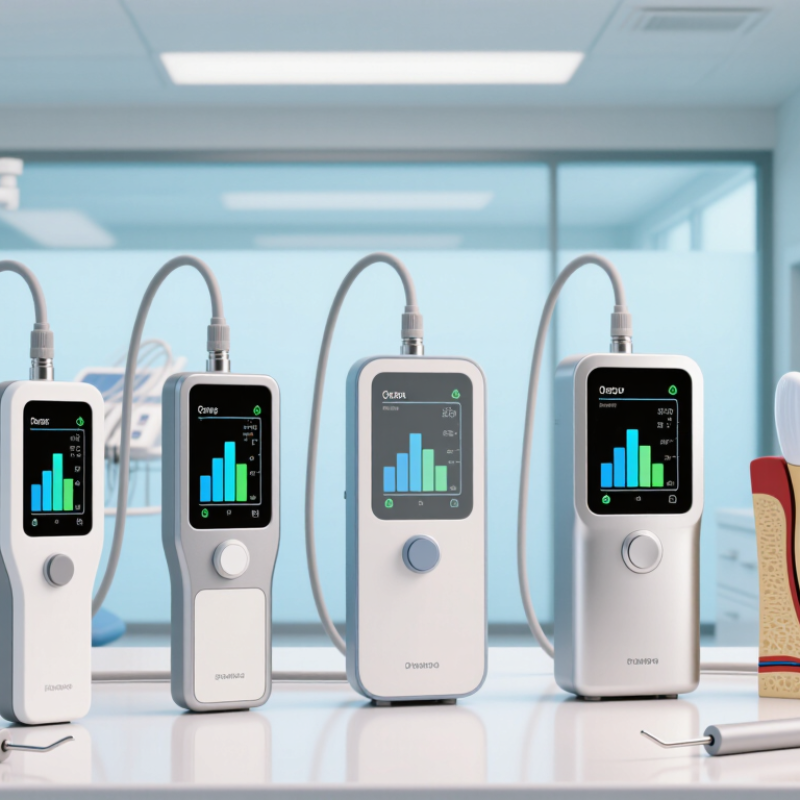
Choosing an apex locator is less about attractive specifications and more about predictable readings chairside. Cordless models suit clinics moving between operatories, especially when cables crowd a small treatment tray. Their lighter setup can improve access during endodontic procedures, but battery checks become part of daily preparation. A dead battery is a poor surprise. Clinics should also inspect charging time, grip comfort, display brightness, and resistance to routine disinfectants.

Multifrequency units generally perform better when canals contain moisture, blood, or irrigants. They compare electrical signals across several frequencies, helping clinicians estimate working length under changing conditions. Still, readings should be confirmed with tactile feedback and appropriate imaging. No electronic measurement deserves blind trust. In curved canals, a stable file position and clean lip clip matter as much as the device itself.

Integrated apex locators connect with motor systems or treatment units, reducing hand movements and visual clutter. This may support smoother workflows, yet integration can limit flexibility after equipment changes. Check connector standards, calibration guidance, display visibility, and service availability before purchase. During a practical trial, test a narrow canal, a wet chamber, and a tooth with a large restoration. Results may differ from the brochure. A previous assumption that “more features” means better treatment can be misleading. For worldwide clinics, clear training, replacement accessories, warranty terms, and local compliance guidance deserve equal attention.

Top Apex Locators to Buy for Dental Clinics Worldwide - Product Shortlist: Cordless, Multifrequency, and Integrated Apex Locators Compared

Brand-neutral comparison of common clinical device configurations for endodontic working-length determination

Shortlist Profile Device Configuration Measurement Technology Typical Clinical Accuracy Working-Length Display Power and Mobility Moisture and Canal Conditions Best-Fit Clinical Use Key Limitations
1. Basic Cordless Apex Locator Cordless
Standalone electronic apex locator with a separate file clip and lip clip
Electronic impedance measurement; entry-level units may use a limited frequency set Approximately ±0.5 mm under suitable canal conditions; actual performance varies by device, operator technique, and canal anatomy Color LCD or LED progress display, usually with an apical bar and a warning zone Rechargeable battery; portable between operatories; commonly designed for a full working day after charging Works best when the canal is moist but not flooded; excessive irrigant, blood, or contact with metallic restorations can affect readings General root-canal procedures, emergency rooms, mobile dental services, and clinics seeking a low-cost standalone unit Less diagnostic feedback and less tolerance of challenging conditions than advanced multifrequency systems
2. Cordless Multifrequency Apex Locator Cordless
Standalone unit using multiple alternating measurement frequencies
Multifrequency impedance-ratio analysis, which helps compensate for changes in canal electrolytes and moisture Often specified around ±0.5 mm in controlled conditions; clinical accuracy is not guaranteed in every canal Large color display with apical progression, target zone, file position, and visual or audible alerts Rechargeable battery; wireless-free operatory setup; generally suitable for routine chairside use More adaptable than basic systems in the presence of sodium hypochlorite, saline, or variable canal moisture, but isolation remains important Routine and complex endodontics, retreatment, curved canals, and clinics that want a dedicated high-visibility locator Higher purchase cost; readings can still be disturbed by perforation, open apex, large resorption, or file contact with conductive restorations
3. Integrated Apex Locator and Endodontic Motor Integrated
Apex measurement combined with a rotary or reciprocating endodontic motor
Multifrequency electronic measurement linked to motor-control software Typically comparable to advanced standalone units when used according to the instructions for use; accuracy depends on both measurement and motor setup Color display with real-time file position, torque, speed, auto-stop, auto-reverse, or apical slow-down functions Usually cordless with a rechargeable handpiece or control unit; some systems use a compact wired console Designed for normal irrigated canals; the motor may reduce speed or reverse when the file approaches a programmed apical limit High-volume endodontic clinics, standardized treatment workflows, and clinicians who want working-length control and instrumentation in one system More complex setup and maintenance; motor calibration, file-system settings, and compatibility must be checked before use
4. Compact Multifrequency Unit with Large Display Standalone
Small clinic or operatory unit prioritizing screen visibility and simple controls
Multifrequency impedance measurement with automatic apical reference detection Commonly marketed for sub-millimetre working-length estimation in suitable clinical conditions; independent verification remains necessary Large color screen, bar graph, numerical reference, and audible alerts; display may be positioned for four-handed dentistry Rechargeable or replaceable-battery options; compact footprint for limited counter space Suitable for moist canals; the reading should be rechecked if the file is unstable or the canal is excessively wet General dental practices, teaching clinics, and operatories where visibility and straightforward operation are priorities May offer fewer motor-integration, data-recording, or connectivity features than premium systems
5. Premium Integrated Endodontic Platform Integrated
Electronic apex locator, endodontic motor, treatment presets, and workflow controls in one platform
Multifrequency apex measurement combined with torque, speed, and file-position monitoring Designed for high repeatability when the prescribed files, settings, isolation, and calibration procedures are followed High-resolution color interface with programmable apical limits, file-progress indicators, alarms, and motor status Rechargeable handpiece or control unit; intended for repeated daily procedures and centralized workflow management Supports irrigated canals and automated motor responses, but it does not replace rubber dam isolation or clinical judgment Specialist endodontic centers, multi-chair clinics, and practices seeking standardized instrumentation protocols Highest cost and training requirement; software, accessories, handpiece maintenance, and file compatibility add ownership considerations
6. Wired Multifrequency Apex Locator Wired
Console-based standalone apex locator with cable-connected measuring accessories
Multifrequency impedance-ratio measurement Generally capable of approximately ±0.5 mm in favorable conditions, subject to the device's validated instructions and clinical limitations Color or monochrome display with apical bar, reference marks, and audible signal Powered by mains electricity or an external adapter; no charging downtime, but less portable than cordless models Appropriate for normal irrigated canals; accurate isolation and clean accessory connections are essential Fixed operatories, dental schools, clinics with predictable room layouts, and users who prefer continuous power Cables can interfere with operatory movement; relocation is less convenient and accessory management is more demanding
Selection note: Electronic apex locators estimate the apical position and should be used together with a preoperative radiograph, appropriate isolation, a stable file, and clinical judgment. Accuracy can be reduced by open apices, perforations, severe resorption, fractured files, conductive restorations, insufficient file contact, or excessive canal fluid. Always confirm sterilization, battery, accessory, calibration, and regulatory requirements against the current instructions for use before purchasing.

Clinical Evidence: Interpreting 80–95% Accuracy Reports Across Canal Conditions

Top Apex Locators to Buy for Dental Clinics Worldwide

Clinical evidence often reports electronic apex locator accuracy between 80% and 95%. However, these figures usually mean measurements within 0.5 mm of the apical foramen. They do not guarantee a perfect working length. A systematic review in the Journal of Endodontics found that performance varies with device generation, reference standard, and canal condition. Vital and dry canals may produce stable readings. Blood, irrigating solutions, wide apical foramina, and perforations can reduce confidence. Necrotic canals are not automatically unreliable, but moisture control becomes critical.

The numbers are useful, but not clean. The European Society of Endodontology stresses working-length verification through clinical judgment and suitable imaging. In practice, an 85% result may be safer than a reported 95% result from a poorly controlled study. Open apices, root resorption, and retreatment cases deserve extra caution. A locator should support decisions, not replace tactile feedback or radiographic assessment. That distinction matters when clinics compare products for worldwide use.

Tips: Test the file contact before shaping. Keep the coronal pathway open. Control excessive fluid. Record the reference point and measurement. Repeat unstable readings. When the reading conflicts with anatomy, pause and investigate. Manufacturer claims need independent evidence. Some reports still use small samples, so uncertainty remains. That is an uncomfortable limitation, but honest purchasing decisions should include it.

Global Procurement: FDA, CE Marking, ISO 13485, Warranty, and Service Criteria

Global procurement of apex locators requires more than comparing screen size or battery life. Clinics should verify the device’s intended use, regulatory status, and technical file before purchase. In the United States, FDA clearance may apply, but clearance is not the same as approval. Buyers should check the FDA device database and request the applicable 510(k) number. For European sales, CE marking must align with the EU Medical Device Regulation. The declaration of conformity, notified-body details, and importer information should match the supplied unit.

ISO 13485 certification indicates a quality management system for medical devices. It does not guarantee measurement accuracy. The ISO Survey 2022 reported 31,265 ISO 13485 certificates worldwide, showing broad adoption of this framework. Still, certificates need verification through the issuing body. Ask for calibration records, electrical safety testing, and evidence supporting accuracy in wet and dry canals. WHO’s Global Oral Health Status Report estimates that nearly 3.5 billion people experience oral diseases, increasing pressure on clinics to maintain reliable treatment workflows.

Warranty terms deserve close reading. A useful contract should state coverage length, battery replacement rules, repair timelines, and international shipping responsibilities. Service matters. Ask whether technical support can troubleshoot unstable readings remotely. Keep a spare device if endodontic appointments are frequent. One practical weakness remains: procurement teams may trust polished certificates without checking serial numbers or regional validity. That mistake is avoidable, but it still happens. Perform a live test with standard files before installation, and record the result for future audits.

Leading and shaping the future of endodontics globally is our life’s work.