5 Best VDW Apex Locators for Global Buyers?

Choosing among the 5 Best VDW Apex Locators for Global Buyers requires more than comparing screen size, price, or promotional claims. Endodontic accuracy depends on electronic stability, canal conditions, file compatibility, operator training, and after-sales support. The keyword apex locator vdw may attract attention, but clinical suitability should guide the purchase.

Market research supports this cautious approach. Grand View Research’s 2024 dental equipment market analysis describes continued growth in digital diagnostic technologies, driven by clinical efficiency and improved treatment planning. Fortune Business Insights also identifies expanding demand for advanced dental devices across hospitals, specialist clinics, and private practices. These reports indicate market momentum, not proof that every device performs equally in every canal.

Clinical guidance deserves greater weight. The American Association of Endodontists emphasizes working-length control, radiographic confirmation, and professional judgment. European Society of Endodontology recommendations similarly treat electronic apex measurements as part of a broader clinical workflow, rather than a replacement for anatomy assessment. In practice, a stable reading in a wet mandibular molar canal can matter more than a polished product brochure.

Details often decide the outcome. Buyers should examine measurement consistency, display visibility, calibration requirements, battery design, warranty coverage, and local technical service. Import duties and language support also affect ownership costs. A device may look excellent online. It may disappoint during daily use.

This guide compares five VDW options for international buyers, while recognizing an uncomfortable limitation: published market data rarely measures long-term operator satisfaction. The final choice should combine manufacturer evidence, independent clinical literature, local compliance requirements, and hands-on evaluation whenever possible.
5 Best VDW Apex Locators for Global Buyers?

VDW Apex Locators: Purpose, Technology, and Clinical Role

VDW Apex Locators: Purpose, Technology, and Clinical Role

For global buyers, an apex locator is more than a small endodontic device. It estimates working length by measuring electrical impedance between an endodontic file and an oral electrode. Modern units compare multiple frequencies, helping reduce errors caused by moisture, blood, or irrigants. Their clinical purpose is clear: support canal preparation while limiting over-instrumentation near the apical foramen.

In practice, clinicians should combine electronic readings with radiographs, tactile feedback, and the patient’s anatomy. The device can be highly useful, but it is not infallible. Open apices, perforations, metallic restorations, and unstable clips may affect accuracy. I would also question any reading that changes sharply without an anatomical explanation. Reliable use depends on calibration, clean connections, correct file contact, and proper staff training. Buyers should examine measurement stability, display readability, battery performance, service access, and regulatory documentation for their market.

Tips: Keep the lip clip dry and secure. Avoid relying on one signal. Confirm unusual readings clinically. Test the unit regularly, and record maintenance clearly. A short training session can prevent expensive mistakes. That detail is easy to underestimate.

Key Features Global Buyers Should Compare Before Purchasing

5 Best Apex Locators for Global Buyers?

Choosing the five best apex locators requires more than comparing accuracy claims. The World Health Organization’s Global Oral Health Status Report 2022 estimates that oral diseases affect nearly 3.5 billion people worldwide. That scale makes dependable endodontic equipment important across clinics with different budgets and working conditions.

Accuracy comes first. Compare performance in dry, wet, and bleeding canals, because real procedures rarely stay perfectly clean. Multi-frequency measurement usually offers better stability in changing canal conditions. Check whether independent testing supports the advertised accuracy. Marketing figures alone are not enough. Also examine display visibility, audible alerts, and file-clip strength. A clear screen helps when gloves, masks, and bright operatory lights create distractions. It is easy to underestimate this detail.

Practical ownership matters just as much. Review battery type, charging time, replacement availability, and compatibility with local power systems. The ESE quality guidelines emphasize controlled working-length determination and proper clinical verification, so an apex locator should support radiographic and tactile checks rather than replace them. Infection-control design also deserves attention. Smooth surfaces, removable holders, and documented reprocessing instructions reduce daily uncertainty. WHO’s 2022 report also highlights major inequalities in oral-care access, making durability and service support especially relevant for global buyers. A lower purchase price may become expensive after one unavailable battery or delayed repair. That is an uncomfortable calculation. My comparison checklist would include warranty response times, calibration guidance, regulatory documentation, and local technical training before judging any device as “best.”

Five Leading VDW Apex Locators and Their Main Differences

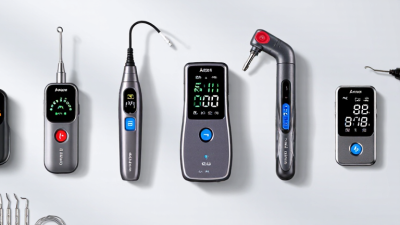
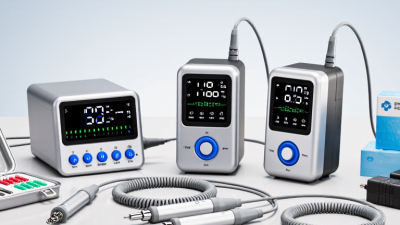
Apex locators differ less by appearance than by measurement control, display logic, and clinical handling. Five leading configurations are commonly compared by global buyers: a compact entry model, a color-screen unit, a dual-frequency device, an integrated motor system, and a premium wireless design. Each supports working-length control, but their strengths are not identical.

The compact model suits smaller clinics with limited chairside space. Its simple display reduces training time, though visibility may suffer under strong operatory lights. A color-screen model shows file movement more clearly and helps new users interpret changing readings. The dual-frequency design usually manages fluid variation better, but its performance still depends on canal preparation and electrode contact. No device defeats poor technique.

An integrated motor system can adjust instrumentation after reaching a preset length. This may improve workflow, yet automatic control deserves careful supervision. The wireless design offers cleaner cable management and easier positioning around the patient. Its charging routine becomes another practical concern. In my experience, reliable readings require a moist canal, a stable lip clip, and confirmation with a radiograph when anatomy appears unusual. Small errors matter.

Buyers should compare calibration needs, screen visibility, battery replacement, warranty support, and regional service access. Published accuracy claims are useful, but laboratory results cannot represent every curved or calcified canal. The best choice is not always the most advanced one. It is the device that clinicians can read, maintain, and verify consistently.

5 Best VDW Apex Locators for Global Buyers

Comparative editorial index based on practical buyer criteria: measurement consistency, display visibility, file compatibility, portability, and workflow convenience. Scores are normalized from 0 to 100 and are intended for market comparison rather than manufacturer-certified specifications.

Higher scores indicate stronger overall suitability for international dental practices. Measurement consistency and display visibility are emphasized because reliable working-length control and clear real-time feedback are central to apex locator selection.

How to Choose the Right VDW Apex Locator for Your Practice

5 Best VDW Apex Locators for Global Buyers?

How to Choose the Right VDW Apex Locator for Your Practice

Choosing an apex locator should begin with clinical evidence, not a glossy specification sheet. A systematic review in the Journal of Endodontics reported approximately 80–95% accuracy within ±0.5 mm, depending on canal conditions and device design. Moisture, bleeding, open apices, and retreatment cases can reduce reliability. Test the unit with realistic clinical conditions. A perfect laboratory reading may not survive a narrow, curved canal.

Prioritize stable readings, a clear screen, compatible file systems, and simple calibration. Battery life matters during long treatment sessions. So does cleaning. Select a model with smooth surfaces and documented infection-control instructions. European endodontic guidelines support electronic working-length measurement, with radiographic confirmation when clinically indicated. For international purchasing, verify medical-device registration, electrical compatibility, warranty terms, and local technical support. A low price can become expensive when replacement parts cross borders.

I have found that training affects results more than many buyers expect. New users may mistake signal changes for the apical constriction. Short practice sessions with extracted teeth can expose this weakness. No locator replaces anatomical judgment or a controlled working field. I also question “near-perfect accuracy” claims unless the test conditions are clearly published. Independent validation is worth more than impressive wording.

International Buying Factors: Price, Support, Compliance, and Availability

5 Best VDW Apex Locators for Global Buyers?

International buyers should compare five apex locator options through total ownership cost, not purchase price alone. A low quotation can hide shipping fees, taxes, calibration, and replacement cables. That mistake is common. Request a complete invoice before choosing a supplier. Check measurement stability with curved canals, moisture, and different file sizes. Ask for test data, warranty terms, and service response times. A dependable device should provide clear readings without complicated setup.

Tips: Confirm local voltage, plug type, language options, and training materials. Ask whether spare clips and batteries are regularly available. Request references from clinics in similar working conditions. Do not assume “in stock” means immediate delivery. Confirm the actual dispatch date.

Compliance can decide whether a purchase succeeds. Verify applicable medical-device registration, electrical safety documents, labeling, and importer responsibilities in your market. Certificates should match the exact model and manufacturer details. Generic documents create delays during customs or internal audits. Support also matters after delivery. Look for documented calibration procedures, software guidance, and a reachable technical contact. A cheaper unit may become expensive when repairs require international shipping. Availability should include replacement parts, consumables, and realistic lead times. Even experienced buyers sometimes focus too heavily on specifications. Field support often affects daily reliability more than an impressive feature list.

5 Best VDW Apex Locators for Global Buyers? – International Buying Factors: Price, Support, Compliance, and Availability

Rank Anonymous Product Profile Best Use Case Typical Street Price
(USD)
Measurement Technology Display and Power International Support Common Compliance Documents to Request Typical Availability Overall Buying Rating
1 Premium Multi-Frequency Unit
High-end clinical configuration with advanced file-detection functions
Specialist endodontic practices and hospitals requiring extensive clinical controls US$900–1,500 Multi-frequency impedance measurement; designed to maintain readings in the presence of irrigants and moisture Large color display; rechargeable battery; visual and audible progress indicators Strongest when supplied through an authorized regional distributor with local training and repair handling Declaration of Conformity, CE documentation where applicable, ISO 13485 information, electrical safety and EMC test documentation, warranty terms Usually in stock in major dental markets; approximately 3–10 business days for distributor delivery ★★★★★
2 Balanced Mid-Range Unit
Practical feature set with a focus on routine endodontic procedures
General dental clinics seeking a balance between purchase cost and usability US$500–900 Multi-frequency or adaptive impedance measurement with automatic calibration functions Color LCD; rechargeable or replaceable battery depending on configuration; compact footprint Good value when the seller provides multilingual manuals, replacement accessories, and remote troubleshooting Declaration of Conformity, applicable market registration evidence, ISO 13485 details, user manual, cleaning instructions, warranty coverage Commonly available through dental distributors; approximately 1–3 weeks for international orders ★★★★☆
3 Compact Cordless Unit
Portable design intended for flexible operatory use
Mobile dentists, small clinics, teaching rooms, and practices with limited counter space US$350–700 Electronic impedance measurement with automatic apical-position indication Small color or high-contrast display; rechargeable battery; lightweight handpiece Support quality depends heavily on local stock of batteries, clips, probes, and charging components Electrical safety and EMC evidence, Declaration of Conformity, battery specifications, charger information, cleaning and disinfection instructions Often available from online dental suppliers; approximately 1–4 weeks, subject to battery shipping rules ★★★★☆
4 Value-Oriented Professional Unit
Core apex-location functions without extensive premium accessories
Clinics prioritizing acquisition cost while retaining professional operating features US$250–500 Basic multi-frequency or impedance-based measurement; performance depends on correct isolation and calibration Monochrome or entry-level color display; rechargeable or replaceable battery Acceptable if spare measurement cables, lip clips, and files are readily available locally Market-specific registration, Declaration of Conformity, risk-management summary, user instructions, warranty and service contact details Generally available from regional wholesalers; approximately 2–6 weeks for cross-border fulfillment ★★★☆☆
5 Entry-Level Backup Unit
Simple, portable device for occasional use or clinical redundancy
New practices, training environments, and clinics needing a secondary device US$150–350 Basic electronic impedance measurement; requires careful moisture control and stable canal conditions Compact display; battery-powered operation; limited accessory package Best purchased from a seller offering clear return procedures and readily replaceable consumables Declaration of Conformity where required, battery and charger safety information, user manual, warranty conditions, importer details Widely listed online, but stock consistency and after-sales service require verification; approximately 1–6 weeks ★★★☆☆

International purchasing note: Prices and lead times are indicative market ranges for comparable electronic apex locators and can vary by destination, taxes, freight, distributor margin, exchange rates, and regulatory requirements. Buyers should verify the product’s intended-use classification, local registration status, warranty coverage, calibration or maintenance requirements, and availability of replacement accessories before ordering.

Leading and shaping the future of endodontics globally is our life’s work.