How to Choose the Best VDW Apex Locator
Choosing the best VDW apex locator is less about finding the most impressive feature and more about finding a dependable fit for your clinical routine. An apex locator estimates a file’s position near the root canal’s apical foramen. It can support working-length determination, but it does not replace sound clinical judgment or appropriate radiographic assessment. The right choice depends on the cases you treat, the files you use, and how easily you can interpret the device’s display during treatment.
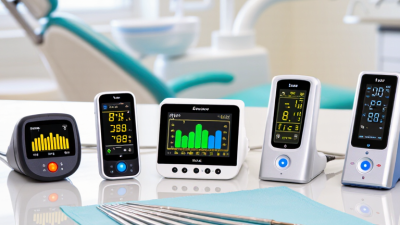
When comparing options, consider screen visibility, controls, file connection, setup, and the manufacturer’s instructions for use. Check which operating conditions and file types are supported; do not assume every device behaves the same in every canal. A clear signal helps. So does a workflow that does not interrupt careful instrumentation. Small details matter. A confident display is not proof by itself, and readings may need reassessment when canal conditions change. The phrase apex locator vdw may lead you to product comparisons, but specifications alone cannot tell you whether a device suits your hands, workspace, or patient-care process. Look for current manufacturer information, training resources, warranty terms, and service support. If possible, assess the interface before purchase, or ask a qualified dental supplier about a demonstration. There is no perfect shortcut here. A thoughtful choice balances usability with clinical limits, and sometimes the most practical device is simply the one your team can use consistently and correctly.
Understanding the VDW Apex Locator and Its Intended Uses
An electronic apex locator estimates the position of a root canal’s apical constriction, helping clinicians set working length before cleaning and shaping. It is not a device for diagnosing pulp disease or replacing clinical judgment. In practice, the clinician connects a file to the device, advances it gently, and watches for a stable reading. A systematic review and meta-analysis in the International Endodontic Journal (2014) reported pooled sensitivity of 0.93 and specificity of 0.82 for electronic working-length determination. Those figures describe study results, not a promise for every tooth. Anatomy varies.
Readings can shift with a wide or resorbed apex, perforation, or poor electrical contact. A clinician should check the file connection, use the device as directed, and compare findings with radiographs and the patient’s clinical picture. A dry field helps, but canal moisture and irrigants may affect readings differently across devices. Small details matter. A stable display is useful, not infallible. I would not treat one number as the whole answer; repeating a measurement can feel slower, yet it may reveal an inconsistent signal. The locator is intended to support careful length control, not to make the decision alone.
Identifying the Features Required for Your Clinical Practice
Choosing an apex locator begins with your daily cases, not its feature list.
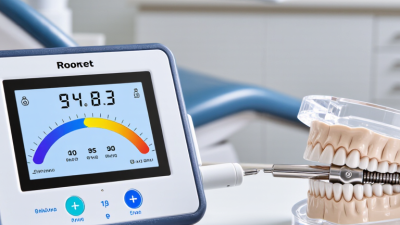
Consider whether you treat mostly straight canals or often manage curved, wet, or retreatment canals. A clear display, stable readings, and simple controls matter when visibility is limited and chair time is tight. Check whether the handpiece fits your existing setup, and whether the screen remains readable under your operatory light. Small details count.
Evidence helps set expectations. A systematic review published in the Journal of Endodontics reported accuracy within ±0.5 mm ranging from 82.3% to 100% across included studies. That spread is a reminder: performance depends on study methods and canal conditions, not just the device. No screen removes clinical judgment. Compare the locator’s instructions for use, calibration needs, and behavior in the presence of irrigants. If possible, assess it during a trial with the files and workflow your team actually uses.
Tips: Test the display from your normal working position. Notice whether readings settle quickly. Ask staff to try the controls with gloves on. I would also record a few routine cases before deciding; that step takes time, but skips guesswork.
Assessing Compatibility, Ease of Use, and Maintenance Needs
How to Choose the Best Apex Locator
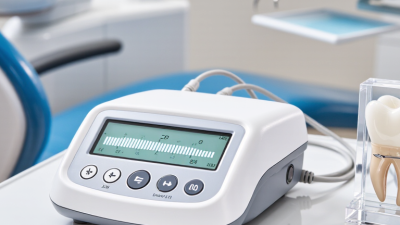
Compatibility and day-to-day usability deserve close attention. Check that the locator works with your existing endodontic setup and the file types you commonly use. Confirm what the manufacturer specifies; similar-looking connectors do not guarantee compatibility. A clear display, responsive controls, and stable readings can make measurements easier to interpret during treatment. Small details matter. If possible, assess the device in a realistic workspace, where gloves, lighting, and limited counter space can affect handling.
Tips: Before purchase, verify the connector, supported file sizes, and any required accessories. Ask how readings behave in wet conditions, and review the instructions for interpreting them. Keep the answers in writing.
Maintenance needs can influence reliability over time. Look for straightforward cleaning guidance, replaceable parts, and accessible service support. Check how the handpiece, clip, and cable should be disinfected; not every component can be treated the same way. A damaged cable or dirty contact may affect performance, so include visual checks in routine setup. No locator removes the need for clinical judgment or appropriate confirmation. It is easy to focus on the screen and overlook upkeep—a small but meaningful purchasing mistake.
Verifying Model Details, Accessories, and Supplier Support
How to Choose the Best VDW Apex Locator
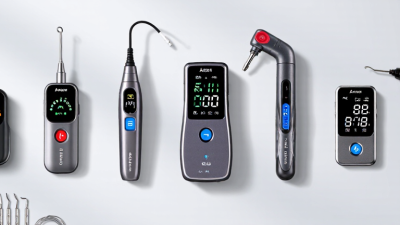
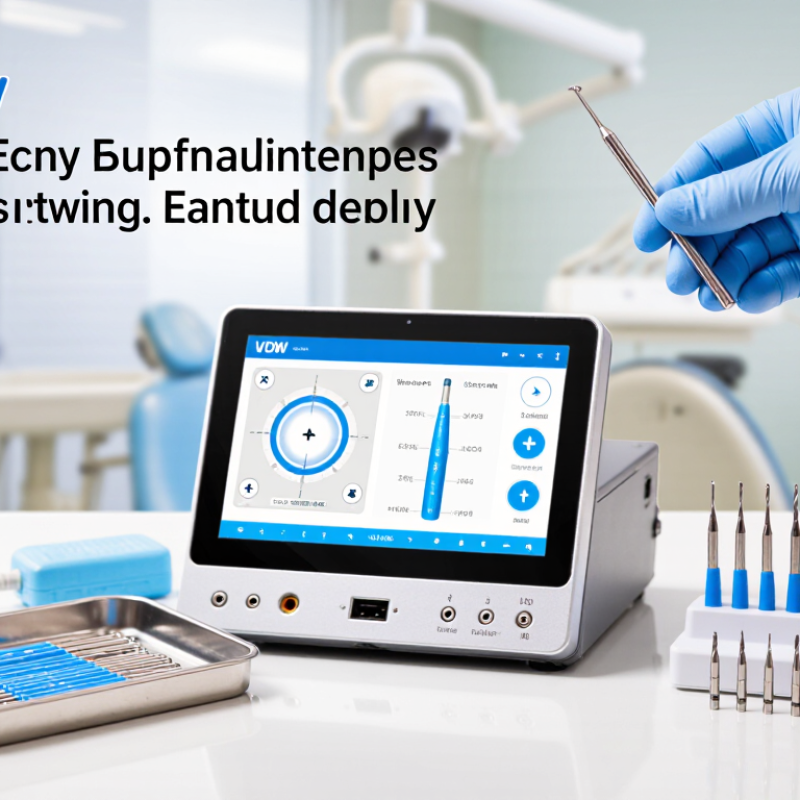
Verify the exact model name, display functions, and included items before comparing prices. Check whether the package contains the measuring cable, lip clips, file clips, test lead, and a power supply or batteries. Confirm connector compatibility with your existing handpieces and the availability of replacements. A device may look complete online but arrive without a small, essential clip. Check the manual and product listing against each other.
Supplier support matters after delivery. Ask for the warranty period, repair route, response time, and access to operating instructions. Request written confirmation that accessories fit the precise model and that replacement cables remain available. The easy shortcut is choosing by screen size; it can overlook service quality.
Gordon and Chandler’s review in the International Endodontic Journal reports that electronic apex locators can determine working length within ±0.5 mm in about 90% of cases, with performance affected by clinical conditions. This is a useful benchmark, not a guarantee for every canal or device.
Tips: Photograph the package contents at delivery. Save the model and serial numbers. Ask the supplier to demonstrate the self-test and explain what to do if readings fluctuate. If an answer is vague, pause.