Accurate working-length measurement is central to predictable root canal treatment. The bingo 1020 apex locator is designed to help clinicians estimate where the root canal ends. It supports decisions during cleaning, shaping, and obturation. However, it should not be treated as an independent diagnosis.
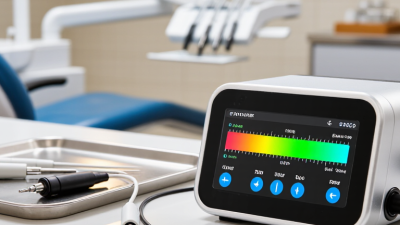
In practical use, the clinician connects the device, attaches a lip clip, and places a file inside the prepared canal. The locator sends a small electrical signal through the file and surrounding tissues. It then analyzes changes in electrical impedance as the file moves toward the apical region. A changing display, sound, or visual indicator helps show the file’s position. The screen responds. That matters.
Moisture, blood, metallic restorations, open apices, and unusual canal anatomy can influence readings. Good isolation and careful file placement remain essential. The operator should compare the electronic result with tactile feedback and suitable radiographic evidence. Manufacturer instructions also deserve attention, especially for calibration, accessories, and measurement limits. Real clinical experience shows that a stable reading is more useful than a rushed one. Even then, uncertainty remains.
This guide will explain what the bingo 1020 apex locator is, how its measurement principle works, and how clinicians commonly use it. It will also examine practical factors that may reduce accuracy. A device can assist judgment, but it cannot replace training, anatomical knowledge, or patient-specific evaluation. The goal is not merely to obtain a number. It is to build a defensible working length through several reliable observations.
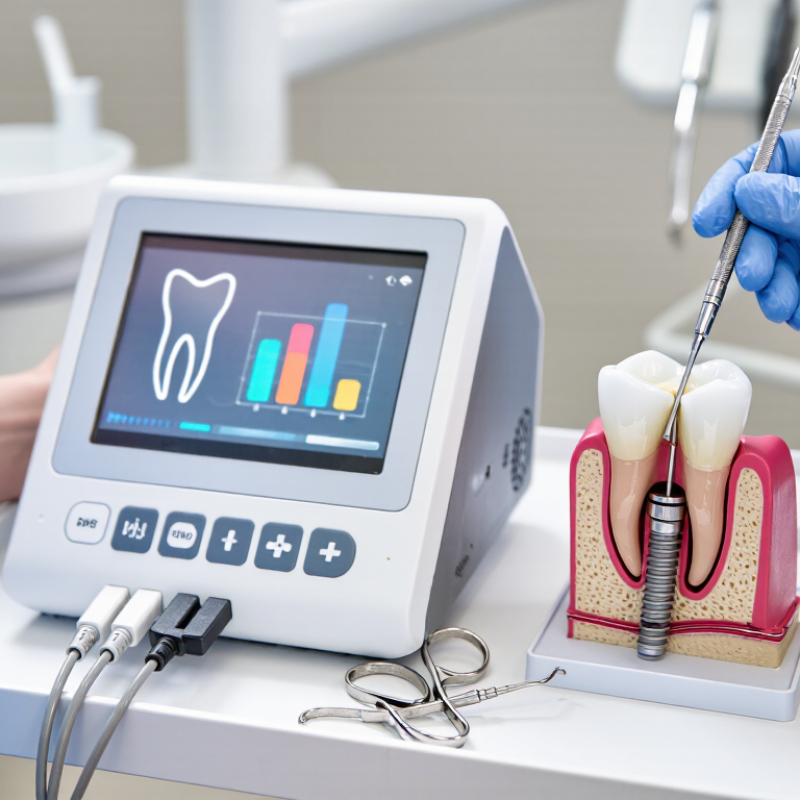
An apex locator is an electronic dental device used to estimate the working length of a root canal. Its main purpose is to help the clinician identify the file’s position near the apical foramen. This measurement supports controlled cleaning, shaping, and filling of the canal.
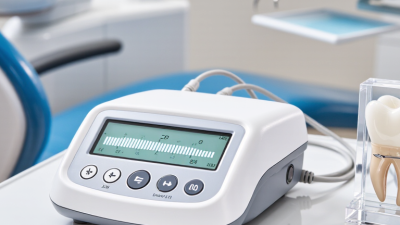
The device usually connects to an endodontic file and a small lip clip. As the file advances, the unit measures electrical resistance or impedance within the canal. Readings often change when the file approaches the periodontal tissues. A clear display and audible signal can guide small adjustments. The clinician should still compare the reading with clinical findings and suitable radiographs.
Accuracy depends on canal conditions. Excessive fluid, open apices, perforations, or metal restorations may affect the result. Careful isolation matters. From practical treatment experience, a stable reading is more useful than a rushed one. Small movements can change the measurement.
It is an aid, not an independent decision-maker. A trained dental professional checks the file length, canal anatomy, and patient factors together. This approach can reduce unnecessary over-instrumentation and help preserve the tissues around the root. Some cases remain difficult, especially when anatomy is curved or unclear. That limitation deserves honest attention.
The 1020 apex locator is built around a small electrical measurement circuit. Its main components include a file clip, lip clip, insulated endodontic file, control unit, screen, and audible alarm. Together, they create a low-energy circuit through the tooth and surrounding tissues.
The device measures changes in electrical impedance as the file moves through the canal. Multi-frequency signals help distinguish the canal from the periodontal tissues near the apical foramen. The screen then estimates file position, while sound changes can guide hands-free monitoring. It is not a simple ruler.
A 2022 systematic review in the International Endodontic Journal reported approximately 80% to 95% accuracy within ±0.5 mm, depending on canal conditions and study design. That range matters. It is useful, but not perfect.
Moisture can distort readings. Blood, excessive irrigant, open apices, and perforations may create unstable signals. In clinical use, a sudden jump on the display deserves a pause. The American Association of Endodontists recommends confirming electronic measurements with clinical judgment and appropriate radiographic evaluation. A practical workflow is to dry the chamber, establish a stable coronal reference point, and repeat doubtful readings. The device can guide precision, but it cannot replace anatomy, tactile feedback, or careful case assessment.ೈನ್
An electronic apex locator helps clinicians estimate the working length of a root canal. Its main task is identifying the apical position, where the canal approaches the root tip. The device sends a small electrical signal through the file and measures changes in impedance. As the file moves deeper, the readings change because surrounding tissues conduct electricity differently.
The display may show a position marker, sound, or changing tone. A stable reading often appears when the file reaches the apical region. However, this signal is not magic. Blood, excessive irrigant, open apices, fractures, or poor contact can affect accuracy. The clinician should advance the file slowly, keep the clip secure, and compare the reading with tactile feedback. A confirmation radiograph may still be useful when anatomy seems unusual. Experience matters here.
Tips: Keep the canal moist, but avoid flooding the chamber. Check the file’s contact before trusting the screen. Pause when the reading changes suddenly. If the result feels inconsistent, withdraw the file and measure again. Small errors can influence cleaning, shaping, and filling. I have found that rushing the measurement creates more uncertainty than the device itself. The technology is reliable when used with sound clinical judgment, but no electronic reading should replace careful assessment.
An electronic apex locator estimates the working length of a root canal by measuring electrical resistance and impedance. A systematic review in the Journal of Endodontics reported approximately 90% accuracy within ±0.5 mm under suitable clinical conditions. That figure is useful, but it is not a promise. Moisture, bleeding, open apices, and metallic restorations can disturb the reading.
Before use, inspect the file, lip clip, and measuring lead. Check that the device powers on normally. Place a rubber dam, then create clear access to the canal. Irrigate gently and remove excess fluid from the chamber. Do not dry the canal completely. Connect the lip clip to the patient and attach the file clip to a small hand file.
Advance the file slowly. Watch for a stable signal, not only the changing numbers. Stop near the “apex” indication, then withdraw slightly until the reading settles around the intended constriction. Confirm the length with a silicone stop and record it. Take a verification radiograph when anatomy appears complex. The European Society of Endodontology recommends combining electronic measurements with radiographic and clinical judgment.
I prefer repeating the measurement after irrigation. Small differences matter. The display may look reassuring, yet it can be wrong. Recheck if the signal jumps, the file binds, or the patient feels discomfort. A 2022 review in the International Endodontic Journal also emphasized controlled moisture and proper file contact as major accuracy factors. Calibration is easy to overlook. That is where mistakes begin.
| Step / Data Dimension | What to Check or Do | How the Device Works | Clinical Notes |
|---|---|---|---|
| 1. Device purpose | Use the electronic apex locator to estimate the position of the file tip within the root canal. | The unit measures changes in electrical impedance between the endodontic file and the oral mucosa electrode. | It supports working-length estimation but does not replace radiographs, clinical judgment, or canal inspection. |
| 2. Required components | Prepare the locator, measuring cable, lip clip, file clip, endodontic file, and an isolated tooth. | The cable connects the measuring circuit so that a low-voltage electrical signal can be evaluated. | Inspect cables and clips for damage, contamination, or loose connections before use. |
| 3. Patient and tooth preparation | Isolate the tooth with a rubber dam, remove excess irrigant from the chamber, and prevent contact with metal restorations. | The measurement depends on a controlled electrical pathway through the canal and surrounding tissues. | Saliva, blood, overflowing irrigant, and metallic restorations can cause unstable or false readings. |
| 4. Cable connection | Connect the lip clip and file clip to the measuring cable, then attach the cable to the locator. | The circuit is completed when the lip clip contacts the oral mucosa and the file enters the canal. | Confirm that the display responds appropriately before beginning the working-length measurement. |
| 5. File placement | Place the file clip on the conductive portion of the file and advance the file carefully through the canal. | As the file advances apically, the measured impedance pattern changes and the on-screen indicator moves. | Use a small, appropriately sized file that reaches the canal without binding or excessive force. |
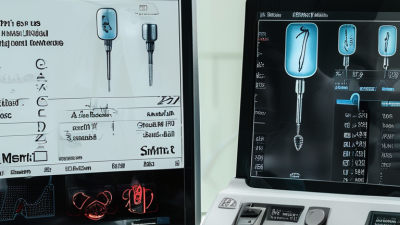
| 6. Display interpretation | Monitor the graphic scale, numerical information, and any audible signal as the file approaches the apical region. | The display provides a relative indication of file position rather than a direct visual image of the apical anatomy. | Treat the apical alert as a warning to slow down and verify the position, not as permission to force the file farther. |
| 7. Working-length determination | When the file reaches the intended reference position, place a rubber stop at a stable coronal reference point and measure the file. | The locator estimates the file tip in relation to the apical constriction or foramen using electrical measurements. | Record the length and confirm it with radiographic or other appropriate clinical evidence when indicated. |
| 8. Measurement stability | Pause when the reading is stable and repeat the measurement after repositioning the file if the signal fluctuates. | Stable readings indicate a more consistent electrical pathway between the file, canal contents, and periodontal tissues. | A fluctuating display may result from poor contact, excessive moisture, an open apex, perforation, or an obstructed canal. |
| 9. Common measurement errors | Check for lip-clip displacement, file-clip contact with metal, fluid overflow, and an incorrectly seated file. | Unwanted conductive pathways can alter the impedance measurement and make the displayed position unreliable. | Stop and correct the cause instead of adjusting the working length from an unstable reading. |
| 10. Situations requiring caution | Use additional verification in cases involving immature apices, root resorption, perforation, fractures, or unusual anatomy. | Altered anatomy can change the electrical conditions used by the locator and reduce measurement predictability. | Combine the reading with radiographic findings, tactile feedback, magnification, and the overall clinical situation. |
| 11. After-use cleaning | Disconnect the accessories, clean and disinfect reusable components according to their instructions, and keep the main unit dry. | Moisture or residue on electrical contacts can affect subsequent measurements and may damage the circuitry. | Do not immerse electronic components unless the device documentation specifically permits it. |
| 12. Key operating principle | Advance slowly, observe the indicator, confirm a repeatable reading, and document the selected working length. | The device converts electrical impedance data into a visual and audible estimate of the file's apical position. | Correct isolation, careful file handling, and clinical confirmation are essential for safe and reliable use. |
The Bingo 1020 Apex Locator estimates working length through electrical impedance changes between a file and an oral reference clip. As the file approaches the apical constriction, the display changes predictably. The clinician then confirms the reading with tactile feedback and a verification radiograph when needed. It is helpful, but not infallible.
Accuracy depends on canal moisture, file size, apical anatomy, and operator technique. A systematic review in the Journal of Endodontics reported that electronic apex locators commonly identify the apical endpoint within 0.5 mm in approximately 80–95% of cases. Results vary between studies. The device may become less reliable with open apices, severe resorption, perforations, conductive irrigants, or unstable clip contact. Metal restorations can also create distracting signals. In practice, I would not treat a stable green reading as permission to skip clinical judgment. That assumption is tempting, and sometimes wrong.
Tips: Dry excess fluid from the chamber, but avoid dehydrating the canal. Use a file that fits loosely without binding. Check the clip and lip contact before measuring. Record the electronic length, then compare it with the radiographic image. A 2023 clinical review in the International Endodontic Journal also emphasized combining electronic measurements with imaging and anatomical assessment. This small cross-check often prevents a small error from becoming an over-instrumented canal.
An electronic apex locator estimates the position of the apical constriction by measuring changes in electrical impedance as a file advances through the canal. Reported accuracy varies with canal anatomy, moisture, apical size, and the reference point used. The ranges below summarize commonly reported performance in endodontic studies and are not brand-specific measurements.
Accuracy is generally higher when the apical foramen is small and patent, the file fits the canal appropriately, and the canal is neither completely dry nor flooded. Electronic readings should be confirmed with tactile information, working-length radiography when indicated, and clinical judgment. Open apices, perforations, resorption, large foramina, metal restorations, and unstable electrical contact can reduce reliability.
DENTSPLY Maillefer - USA
5100 E. Skelly Drive, Suite 300
Tulsa, Oklahoma 74135
DENTSPLY Maillefer - Canada
161 Vinyl Court
Woodbridge, ON L4L 4A3
Toll-free in the U.S.:
1-800-924-7393
Toll-free in Canada:
1-800-263-1437
Toll-free in the U.S.:
1-800-924-7389
Toll-free in Canada:
1-888-336-8775