5 Best Dempex Apex Locators for Global Buyers?

Choosing the right dempex apex locator requires more than comparing prices and technical labels. Global buyers must examine measurement stability, display visibility, file compatibility, battery performance, and after-sales support. A device may look impressive online, yet perform differently beside a wet canal, during retreatment, or under limited lighting.

Dr. Gianluca Plotino, an internationally recognized endodontic researcher, emphasizes a practical principle: “Electronic measurements should support clinical judgment, not replace it.” This reminder matters when evaluating every dempex apex locator. Experienced clinicians still confirm readings with radiographs, tactile feedback, and proper isolation. Technology helps. It does not remove responsibility.

This guide reviews five promising options for international purchasing teams, dental distributors, and clinical professionals. Each product should be assessed through real treatment needs, not marketing language alone. We consider accuracy claims, user interface, portability, calibration requirements, warranty coverage, and regional service access. Import documentation and local regulatory acceptance also deserve careful attention.

Some differences may appear minor. They are not always minor in daily use. A bright screen can reduce chairside hesitation. A stable clip can prevent interruptions. A responsive distributor can save valuable treatment time. However, no ranking is perfect for every clinic. That is worth admitting. Buyers should match the selected dempex apex locator with their workflow, training level, and patient-care standards. The following comparison offers a practical starting point, while encouraging careful verification before purchase.
5 Best Dempex Apex Locators for Global Buyers?

What Are Dempex Apex Locators and How Do They Work?

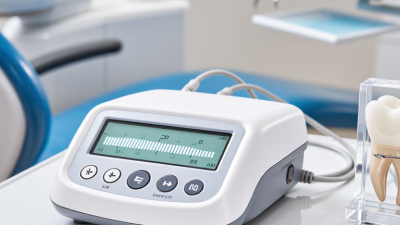
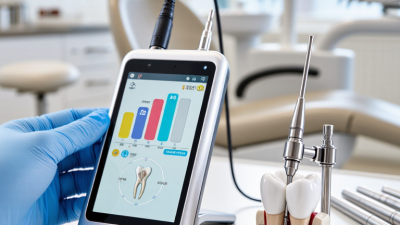
Apex locators are electronic devices used to estimate root-canal working length. They help clinicians identify the apical constriction before cleaning and shaping the canal. A small file enters the canal, while a lip clip completes the electrical circuit. The device measures changes in impedance as the file approaches the periodontal tissues. Modern units compare several electrical frequencies, improving performance in moist canals. It is practical. Yet it is not magic.

Professional guidance from the American Association of Endodontists recommends combining electronic measurements with radiographic assessment. This matters because open apices, root resorption, perforations, or excessive fluid can distort readings. A review of clinical studies published in the Journal of Endodontics reported accuracy commonly ranging from about 80% to 95% within 0.5 millimeters, depending on the device and testing method. Those figures sound strong, but study conditions differ.

The World Health Organization’s Global Oral Health Status Report 2022 estimates that oral diseases affect nearly 3.5 billion people worldwide. Reliable length control can reduce unnecessary instrumentation and support more predictable treatment. Buyers should examine measurement stability, display clarity, file compatibility, calibration guidance, and performance in wet canals. Read the small details. A lower purchase price may become expensive if readings fluctuate or training is poor. Even experienced operators should verify unusual results rather than trust one screen.

5 Best Dempex Apex Locators for Global Buyers?

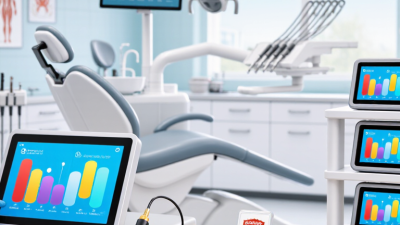
Apex locators estimate the position of an endodontic file by measuring changes in electrical impedance between the file and the oral tissues. The chart below presents representative, brand-neutral clinical benchmark values commonly reported for electronic working-length determination under different canal conditions.

Accuracy can vary with canal moisture, irrigants, file size, apical anatomy, and measurement technique. Buyers should compare independent clinical evidence, measurement stability, usability, and regulatory compliance rather than relying only on nominal specifications.

Key Features for Comparing Dempex Apex Locator Models

When comparing apex locator models for global purchasing, focus on clinical control rather than appearance. Start with measurement stability. A clear color screen should remain readable under bright operatory lights and from different angles. Look for audible alerts, adjustable volume, and a file clip that grips securely. Wireless options may reduce cable clutter, but dependable wired accessories can be easier to replace. Small details matter.

Accuracy should be assessed under realistic canal conditions, not only in laboratory demonstrations. Moisture, blood, file size, and canal anatomy can affect readings. A useful model should provide steady feedback when the file approaches the apical area. Multi-frequency measurement technology may improve performance in challenging canals, but marketing claims deserve careful review. Ask for independent test data and practical instructions. No model is perfect.

Global buyers should also compare battery life, charging time, language settings, and replacement-part availability. A long warranty has limited value if local service is slow. Request quality documentation, electrical safety information, and evidence of consistent manufacturing controls. Check whether the device meets applicable regional requirements before purchase. Training materials should explain calibration, cleaning, and safe handling clearly. I would also test the display with gloves and disinfected hands. That small trial can reveal awkward controls that product photos hide.

Five Best Dempex Apex Locators for Global Buyers

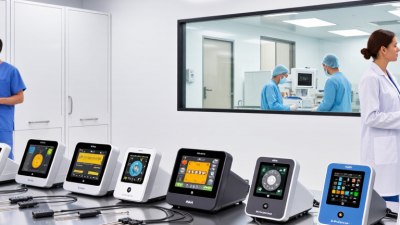
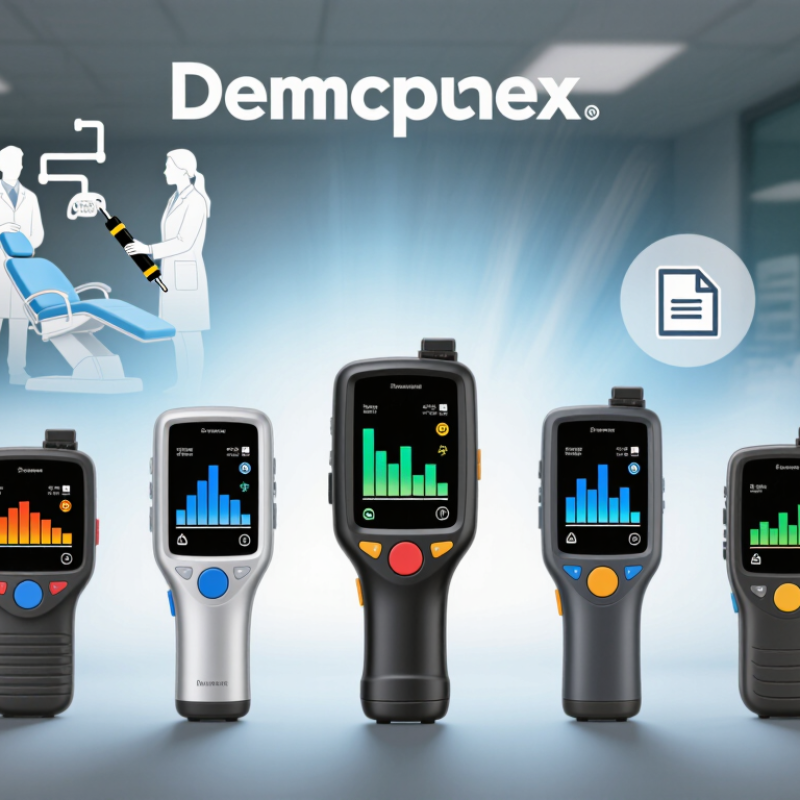
For global buyers, the five best apex locator choices should match clinical workflow, not just promotional specifications. A compact wired unit suits treatment rooms with fixed dental chairs. A cordless model offers cleaner movement during emergency procedures. An integrated motor-and-locator system can improve working length control during rotary preparation. A multi-frequency locator is useful when canals contain moisture, blood, or residual irrigant. A budget-focused model may serve smaller practices, but only when accuracy testing is documented.

A reliable purchasing review should examine measurement stability, screen visibility, file compatibility, battery life, and calibration procedures. In daily use, a bright display helps clinicians read the file position under strong operatory lights. A stable clip and lip hook also reduce interruptions. Small details matter. Buyers should request independent accuracy data, user instructions, warranty terms, and service support in their region. Current electrical, medical-device, and import requirements must be checked locally.

Real-world performance can differ from laboratory results. Curved canals, open apices, metal restorations, and excess fluid may affect readings. I would not select a device from accuracy claims alone. A short clinic trial is safer, although it can slow purchasing decisions. Some low-cost units also feel attractive until replacement cables become difficult to source. Global buyers should compare total ownership costs, training needs, language options, and repair timelines before placing an order.

5 Best Dempex Apex Locators for Global Buyers
Rank Apex Locator Profile Measurement Technology Display & Guidance Measurement Range Power & Portability International Buyer Advantages Best Use Case
1 Advanced Multifrequency Unit
★★★★★
Multifrequency impedance measurement designed to maintain readings in the presence of moisture, blood, or electrolyte solutions. Color LCD with a graduated canal graphic, numerical file-position indication, and audible alerts. Typically displays the file position from the coronal canal area to the apical foramen; many units provide a working-length warning zone. Rechargeable lithium-ion battery; compact tabletop design; commonly supplied with a charging base or USB-compatible charger. Suitable for clinics requiring broad canal-condition compatibility and repeatable electronic working-length measurements. Routine endodontic treatment, retreatment, and cases where canal moisture is difficult to control.
2 Compact Dual-Frequency Unit
★★★★☆
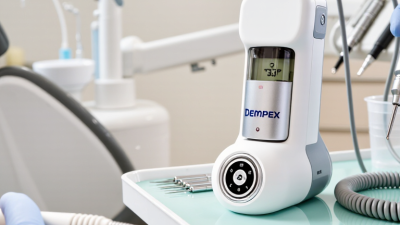
Dual-frequency ratio method with automatic signal processing to reduce the effect of changes in canal conductivity. Medium-size color display with visual progress indicators and adjustable sound volume. Continuous electronic working-length monitoring with a clearly marked apical reference zone. Battery-powered handheld format; low equipment footprint; practical for multi-chair dental rooms. Lower storage and shipping requirements than larger console-style devices; convenient for international distribution. General dental practices, mobile treatment rooms, and buyers prioritizing portability.
3 Large-Display Clinical Unit
★★★★☆
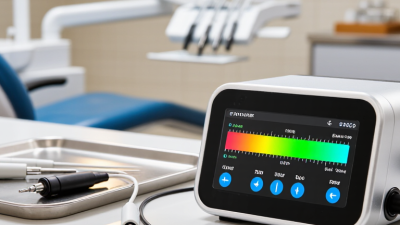
Multi-signal electronic measurement with automatic calibration and visual stability feedback. Large high-contrast screen, large progress arc, and visible apical warning indicators for improved chairside readability. Real-time file-position tracking with an adjustable reference point for working-length control. Rechargeable battery with mains charging option; stable base and easily accessible control buttons. Useful where several clinicians share equipment and screen visibility from different working positions is important. High-volume clinics, teaching environments, and users who prefer a larger interface.
4 Entry-Level Multifrequency Unit
★★★★☆
Basic multifrequency electronic measurement intended for routine canal-length determination. Simple color or segmented display with audible and visual apical alerts. Provides continuous indication of file advancement toward the apical foramen; accuracy depends on canal conditions and correct accessory placement. Usually lightweight, battery operated, and supplied with a limited accessory set. Lower acquisition and freight complexity while retaining the core function required for electronic working-length measurement. Small practices, backup equipment, and buyers seeking essential functionality.
5 Integrated Endodontic Motor Unit
★★★★☆
Electronic apex measurement combined with rotary or reciprocating endodontic motor control in one workstation. Color interface showing motor speed, torque, rotation mode, and file-position information on the same screen. Continuous apex monitoring during compatible rotary or reciprocating procedures, subject to the manufacturer’s file and operating specifications. One integrated console can reduce the number of separate devices; typically requires mains power and occupies more chairside space. May simplify procurement, operator training, and maintenance when a clinic needs both motor control and apex measurement. Endodontic specialists and clinics seeking an integrated instrumentation workflow.

Buyer note: Electronic apex locators support, but do not replace, radiographic evaluation, clinical judgment, isolation, and correct canal preparation. Actual accuracy, battery specifications, accessory compatibility, electrical certification, warranty terms, and regulatory approvals vary by model and destination market. Global buyers should confirm conformity requirements, plug and charger standards, sterilization instructions, and after-sales service before purchase.

How to Select the Right Dempex Apex Locator Worldwide

Selecting the right apex locator worldwide requires more than comparing screen size and price. Start with measurement reliability. A systematic review in the Journal of Endodontics reported that modern electronic apex locators often identify the apical endpoint within 0.5 mm in roughly 90% of cases. That figure is useful, but not absolute. Canal moisture, metal restorations, open apices, and perforations can reduce accuracy.

Ask for independent test data, not only laboratory claims. Check whether testing used extracted teeth, different canal conditions, and blinded measurements. The American Association of Endodontists advises combining electronic measurements with radiographic and clinical evidence. A good device should provide stable readings, clear audio signals, and fast recovery when the file contacts fluid. Small details matter during a difficult molar procedure.

Global buyers should also examine compliance documents. IEC 60601-1 supports electrical safety, while ISO 13485 indicates a controlled medical-device quality system. Confirm registration requirements in the destination market before purchasing. Review warranty length, calibration support, replacement leads, and operating instructions in the local language. Battery access can matter in rural clinics. I once underestimated that detail. The device performed well, but unavailable batteries caused avoidable delays. Market reports from Grand View Research also show continued growth in endodontic equipment demand, increasing the need to verify supplier support rather than chase the lowest quotation.

Global Purchasing, Certification, and After-Sales Considerations

For a five-model apex locator shortlist, global purchasing starts with clinical fit, not the lowest quotation. The WHO Global Oral Health Status Report 2022 estimates that 3.5 billion people live with oral diseases worldwide. That scale increases demand for dependable endodontic equipment. Buyers should compare measurement stability, display visibility, probe ergonomics, battery life, and performance in moist canals. Ask for test conditions, not only marketing accuracy claims.

Certification needs careful checking. Request ISO 13485 evidence for the manufacturer’s quality system, plus IEC 60601-1 electrical safety and IEC 60601-1-2 electromagnetic compatibility reports, where applicable. Registration requirements differ by destination. CE marking, UKCA, or other approvals do not automatically permit sales everywhere. Verify the importer, product classification, labeling language, and local registration before payment. Small paperwork gaps can stop a shipment.

After-sales support is often underestimated. World Bank’s Logistics Performance Index 2023 compares 139 economies, showing meaningful differences in customs efficiency and delivery reliability. Build spare cables, clips, holders, and batteries into the purchasing plan. Require a written warranty, calibration guidance, remote troubleshooting, and a defined repair turnaround. Test one sample in a real clinic before ordering in volume. I would also record operator feedback after two weeks. That step sounds basic, yet it catches awkward controls and unstable readings. No shortlist is perfect.

Leading and shaping the future of endodontics globally is our life’s work.