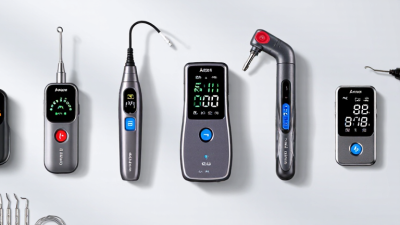
2026 Best Dempex Apex Locator for Global Buyers?
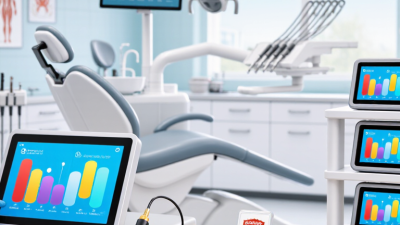
Choosing the 2026 best dempex apex locator requires more than comparing prices, screen sizes, or promotional claims. Global buyers need dependable measurements, stable calibration, clear instructions, and responsive technical support. A device may look impressive in a product photo. Yet its value appears beside the dental chair, where saliva, bleeding, limited access, and patient movement can affect readings.
Dr. Mahmoud Torabinejad, a respected endodontic educator, has emphasized a practical principle: “Electronic apex locators are an adjunct to, not a replacement for, radiographic examination.” This reminder remains important when evaluating any dempex apex locator. Accurate working-length control depends on clinical judgment, correct file placement, canal conditions, and suitable confirmation methods. Technology helps. It does not think for the clinician.
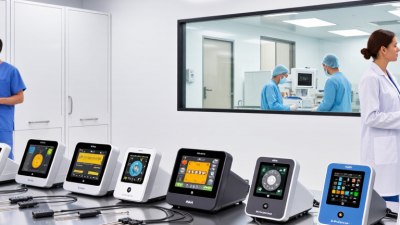
This guide examines performance factors that matter across different markets. These include measurement consistency, display visibility, battery behavior, electromagnetic stability, sterilization procedures, warranty terms, and after-sales training. Regional service capacity also deserves attention. A low purchase price may become expensive when replacement parts take weeks to arrive.
There is no perfect model for every clinic. That is the uncomfortable part. A compact unit may suit a mobile practice but feel limited in a busy endodontic center. A premium model may offer smoother operation but exceed a small clinic’s budget. Buyers should test real workflows, review independent evidence, and question unclear specifications. The best dempex apex locator is not simply the most advertised device. It is the one that supports repeatable decisions, safe treatment, and practical long-term use.
What Is the Dempex Apex Locator and How Does It Work?
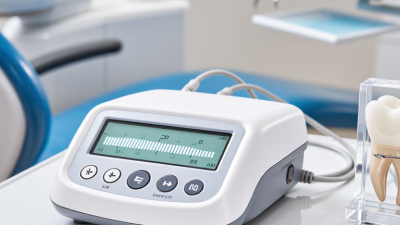
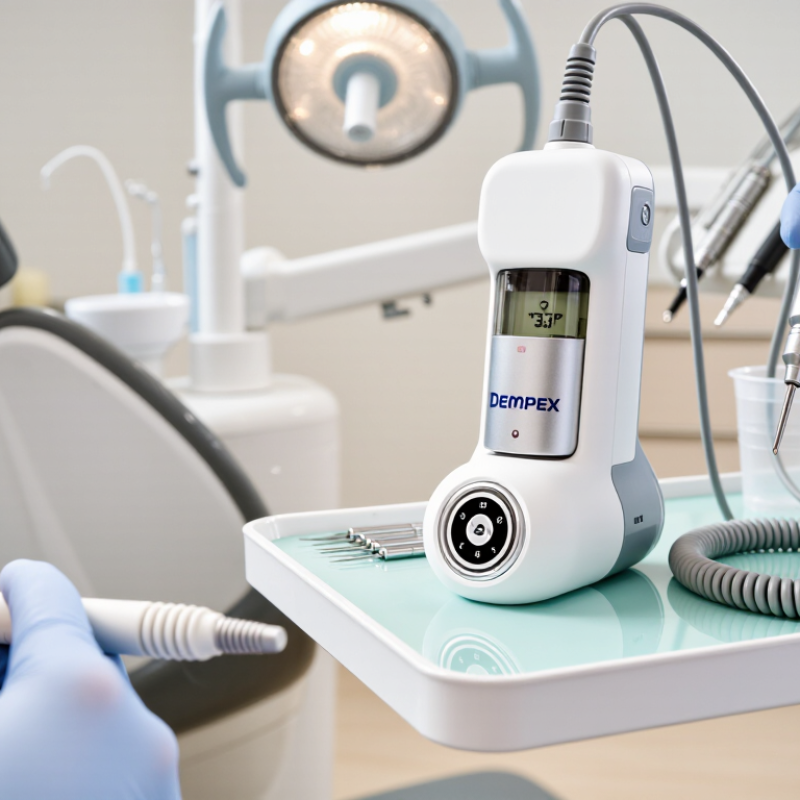
An electronic apex locator is a compact endodontic device that estimates a canal file’s position near the apical foramen. It does this by measuring electrical impedance between the file and an oral electrode. As the file approaches the periodontal tissues, the device detects changing electrical values and displays a distance estimate. The clinician then adjusts the working length before cleaning and shaping the canal.
It is not magic. Canal moisture, blood, metallic restorations, open apices, and perforations can affect readings. Modern multi-frequency units generally perform well, with clinical studies reporting approximately 80–95% accuracy within 0.5 millimeters of the apical foramen. A systematic review in the Journal of Endodontics reported comparable performance across several electronic apex locator technologies. The American Association of Endodontists also recommends combining electronic measurements with radiographic assessment, especially when anatomy appears uncertain.
In practice, the operator clips the lip electrode, inserts a disinfected file, and advances it slowly. The screen may change from bars to a numerical reading. A stable reading matters more than a quick reading. I would still verify unusual results with a second measurement and a working-length radiograph. That extra step can feel inefficient, but it reduces avoidable errors. Device specifications should also be checked against ISO 15189-related quality practices and local clinical requirements. Independent validation data is more useful than a dramatic accuracy claim.
Key Features and Technical Specifications of the Dempex Apex Locator
A reliable apex locator should provide stable working-length measurements in both relatively dry and mildly wet canals. A multi-frequency impedance system is useful because tissue conditions can change during instrumentation. The display should show the file position clearly, with a smooth progress scale and an audible warning near the apical constriction. Large color segments help when visibility is limited. Small details matter.
Key technical specifications deserve careful checking. Look for measurement accuracy near ±0.5 mm under stated test conditions, a resolution of about 0.1 mm, and compatibility with standard endodontic files. The unit should include a file clip, lip hook, measuring cable, and a secure connection. A rechargeable battery is convenient, but its operating time and charging method should be listed clearly. Automatic calibration, memory retention, and resistance to common clinical cleaning procedures also improve daily reliability.
In practice, I would test the locator with a radiographic image rather than trusting one reading. Metallic restorations, excessive fluid, open apices, and unstable contacts may affect the result. No electronic device is infallible. I have seen readings shift after a loose clip connection, which is easy to overlook. A bright screen, adjustable sound, and compact footprint can reduce chairside interruptions. The specifications should be verified against the current technical sheet, because accessories and software details may change between production batches.
How to Choose the Right Dempex Apex Locator for Global Dental Practices
Choosing the right apex locator requires more than comparing screen size and price. The WHO Global Oral Health Status Report estimates that nearly 3.5 billion people live with oral diseases. That burden increases demand for efficient, repeatable endodontic care across different clinical settings.
Look for stable readings in wet canals, narrow canals, and canals with blood or irrigant. A 2022 systematic review in the Journal of Endodontics reported that modern electronic apex locators commonly achieve accuracy above 90% within a clinically acceptable range. However, performance varies with canal anatomy and operator technique. I would not trust a single beep.
Check measurement consistency, file compatibility, display visibility, and battery performance. A large, bright screen helps when the operator works through a microscope. Wireless features may improve workflow, but they should not replace clear calibration procedures. The European Society of Endodontology emphasizes working-length control, radiographic assessment, and documented clinical judgment.
For global dental practices, verify electrical compatibility, user training, warranty coverage, and local regulatory documentation. ISO 13485 certification supports quality management, while IEC 60601 compliance addresses electrical safety. Ask suppliers for independent test results, not only laboratory claims. A practical trial with extracted teeth or simulated canals can expose weak readings before purchase. It is easy to overlook service access. That mistake becomes expensive.
Dempex Apex Locator Comparison: Accuracy, Usability, and Value
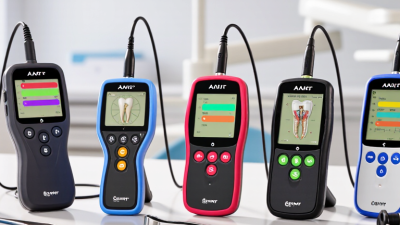
For global buyers, an apex locator should be judged by clinical performance, not marketing claims. Accuracy depends on canal moisture, file size, anatomy, and electrode contact. In routine cases, a stable reading near the apical constriction can support working-length decisions. It should not replace clinical judgment or radiographic review when anatomy appears unusual.
Usability matters during a wet, time-limited procedure. A bright screen, clear audio signals, and glove-friendly controls reduce small handling errors. Battery life is important in busy clinics. So is a simple setup. Some devices perform well in controlled tests but feel less convenient beside the dental chair. That difference deserves attention. A short learning curve also helps new users avoid unnecessary readings.
Value includes more than the purchase price. Buyers should check probe durability, replacement clips, charging options, warranty coverage, and technical support in their region. A lower-cost unit may become expensive if accessories are difficult to obtain. I would compare repeatability across several canals, not only one successful measurement. Even experienced clinicians can misread a signal in a curved or wide-open canal. My own preference would remain cautious: choose consistent results and dependable support over a crowded display or impressive claims.
How to Buy, Use, and Maintain a Dempex Apex Locator Internationally
Choosing an apex locator for international use requires more than comparing prices.
Confirm the device’s measurement range, accuracy data, included accessories, warranty terms, and service support. Ask the supplier for a user manual in your working language. Check plug type, charging requirements, customs documents, and local dental equipment rules before payment. A lower price can become expensive when replacement parts are unavailable.
During use, isolate the tooth carefully with a rubber dam. Keep the canal reasonably dry, but avoid over-drying it. Connect the file clip firmly and check the lip hook before measurement. Advance the file slowly, watching for stable readings rather than reacting to every changing bar. Stop near the reference point, then confirm the working length with clinical judgment and suitable imaging when necessary. The locator helps. It does not replace professional diagnosis.
Tips:
Clean the clip and hook after every procedure. Do not immerse the main unit unless the manual permits it. Wipe surfaces with approved disinfectant, and inspect cables for cracks. Store the device in a dry case away from heat and strong electromagnetic sources. Run a basic function check before international shipment and after delivery. I have found that rushed setup causes more errors than complicated canals. That is worth remembering. Battery indicators can also be misleading, so test charging performance periodically. Keep service records, even when everything seems normal.