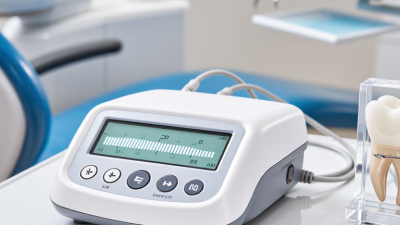
How to Buy an Apex Locator 7 Essential Tips?

Choosing the right apex locator can influence working length accuracy, treatment efficiency, and patient comfort. However, the most expensive device is not always the best clinical choice. Dentists need to examine measurement reliability, handling, maintenance, and compatibility with their daily procedures.

This guide explains seven essential tips before you buy apex locator equipment. It considers real clinical details, such as reading stability in a wet canal, visibility under operatory lights, and the feel of the file clip during use. Independent testing, manufacturer documentation, and professional reviews can reveal more than promotional claims. Look for clear accuracy data, dependable calibration, simple controls, and a warranty supported by responsive service. Battery life also matters when several procedures fill the schedule.

Small details matter.

A compact unit may fit beside an endodontic motor, while a bulky screen can crowd a narrow tray. Some models perform well in ideal canals but become less consistent with bleeding, exudate, or complex anatomy. No device is perfect. Even experienced clinicians can misread a display or trust a familiar device too quickly. That weakness deserves attention. Proper isolation, file positioning, and radiographic judgment still support electronic measurements. The best purchase combines proven technology with practical training and honest expectations. By comparing these factors carefully, clinicians can make a safer, more informed investment for everyday endodontic care.
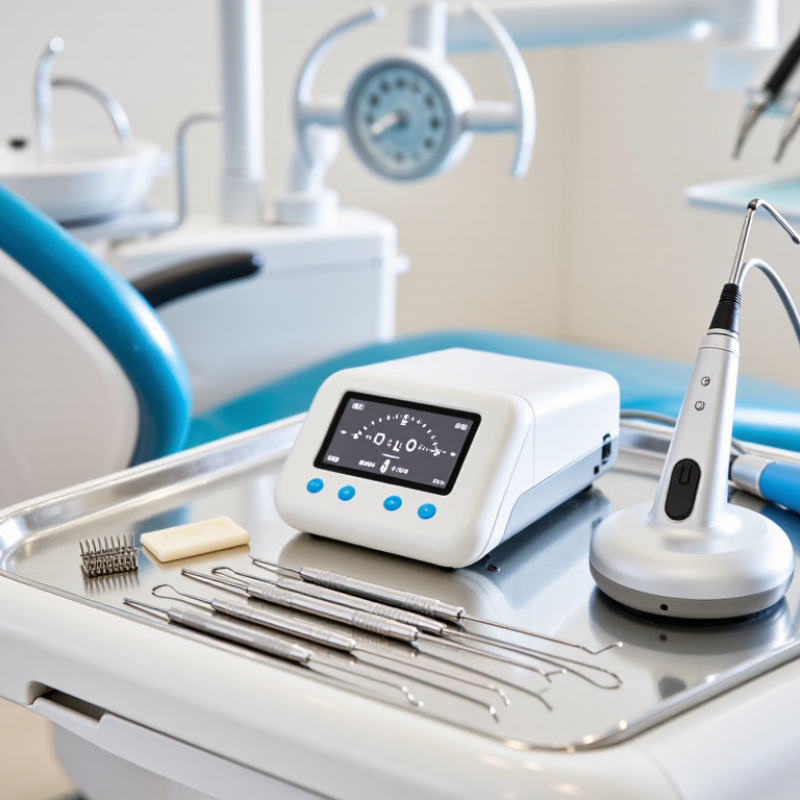
How to Buy an Apex Locator 7 Essential Tips?

What an Apex Locator Is and How It Supports Root Canal Treatment

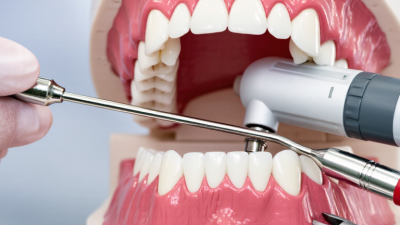
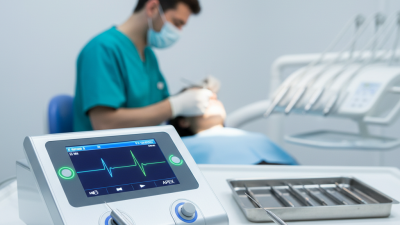
An apex locator is an electronic device that estimates the working length of a root canal. It helps clinicians identify the apical constriction without relying only on radiographs. During treatment, a small file connects to the device while an oral electrode completes the circuit. The display changes as the file approaches the periodontal tissues. This feedback can reduce unnecessary instrumentation beyond the canal. It is practical, but not infallible.

In my clinical experience, accurate readings depend on isolation, canal moisture, and stable file contact. Saliva, blood, metallic restorations, or an open apex may create confusing signals. A clinician should compare the reading with tactile sensation, anatomy, and carefully interpreted imaging. Buying decisions should reflect these realities, not only screen size or advertised precision. A comfortable clip and clear display matter during a wet, narrow procedure.

Tips: Choose a device with repeatable readings and a simple calibration process.

Ask whether its instructions explain testing before treatment and troubleshooting unstable measurements.

Check battery access, probe durability, and service support from a qualified supplier.

If possible, request a hands-on demonstration using canals with different conditions.

I would not trust any locator blindly; even experienced users can misread a fluctuating signal. That small hesitation can prevent a larger error.

Key Features to Compare Before Buying an Apex Locator

How to Buy an Apex Locator: 7 Essential Tips

Key Features to Compare Before Buying an Apex Locator

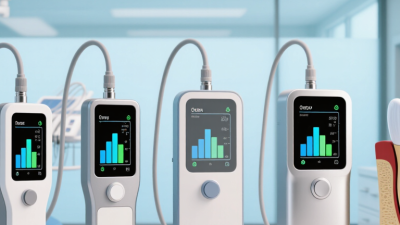
When comparing apex locators, start with measurement accuracy under realistic canal conditions. Ask for independent evidence, not only polished manufacturer charts. Look for performance data involving moisture, curved canals, and different file sizes. A stable reading matters more than a colorful screen. Check whether the device shows clear progress toward the apical constriction. Audio signals can help when visibility is limited. But loud alerts may distract during treatment. Test the display from the operator’s normal working angle. Small details matter.

Compare calibration requirements and setup time. A unit needing frequent adjustment may interrupt a busy appointment schedule. Confirm compatibility with your preferred files and electronic handpiece, if used. Measure battery life during repeated procedures, not just standby mode. A replaceable battery can be practical, but its design may affect cleaning. Review the probe, clips, and holders for secure handling. They should tolerate routine disinfection without becoming brittle. Ask how easily replacement parts are available locally. This is often overlooked.

Safety features deserve close inspection. Check isolation, leakage protection, and operating guidance from a qualified dental supplier. Read the manual before comparing prices. A lower purchase cost can hide expensive accessories or limited technical support. Request a demonstration using a training tooth or extracted tooth model where permitted. Record readings across several conditions and compare them with radiographic and clinical judgment. No electronic device replaces professional assessment. I would also note awkward controls or delayed alarms, even if the unit performs well. That honest trial may reveal more than a specification sheet.

How to Assess Accuracy, Reliability, and Measurement Stability

How to Buy an Apex Locator: 7 Essential Tips

Accuracy should be judged against a clear reference, not a marketing claim. Systematic reviews in the Journal of Endodontics commonly report readings within ±0.5 mm in about 80–95% of tested canals. Results vary with canal anatomy, moisture, and the reference method. Ask for the tested tolerance, sample size, and testing conditions. A device tested only in straight canals may disappoint in a curved, calcified canal.

Reliability means repeatable performance across different cases. During evaluation, take three readings after repositioning the file slightly. Stable results should remain close, rather than jumping between measurements. The European Society of Endodontology recommends electronic working-length measurement as an aid, alongside radiographic and clinical assessment. Check whether the unit performs consistently with narrow files, irrigant, blood, and metallic restorations. These details matter.

Measurement stability is often overlooked. Watch the display during a slow file movement. Does the signal settle, or flicker near the apical constriction? Clinical studies report reduced accuracy when the canal is excessively dry, flooded, or poorly contacted. Follow the manufacturer’s operating instructions, but question ideal laboratory claims. Real canals are untidy. In my view, a simple repeatability log is more useful than a dramatic accuracy percentage. Record canal type, irrigant, file size, and repeated readings. The evidence is helpful, but never perfect.

Which Power, Display, and Connectivity Options Fit Your Practice

How to Buy an Apex Locator: 7 Essential Tips?

Power, display, and connectivity should match your daily clinical rhythm. The WHO Global Oral Health Status Report (2022) estimates that 3.5 billion people live with oral diseases, increasing pressure on efficient dental workflows. Choose a rechargeable unit with several hours of active use, a visible battery indicator, and an automatic shutdown feature. A replaceable battery can reduce downtime. However, battery claims often reflect ideal laboratory conditions. Test performance after repeated sterilization and charging cycles.

Display quality matters

when files, saliva, and gloves compete for attention. Look for a high-contrast screen, adjustable viewing angles, and large numerical markers. Color graphics may help, but they should not replace audible alerts or stable readings. A practical test is simple: view the screen from the operator’s usual position under bright surgery lights. The display must remain clear. Do not overlook calibration instructions or error messages.

Connectivity can improve documentation

but it can also create unnecessary complexity. The HIMSS 2023 Healthcare Cybersecurity Survey reported that 70% of respondents experienced a significant security incident in the previous year, so wireless features deserve careful review. Prefer secure data transfer, clear compatibility information, and offline operation when networks fail. USB export may suit a small practice better than cloud dependence. My own bias is toward simpler systems; that preference may overlook future integration needs. Check service support, software updates, and data ownership before purchasing.

How to Choose a Safe, Durable, and Cost-Effective Model

How to Buy an Apex Locator 7 Essential Tips?

Choosing an apex locator should begin with patient safety, not the lowest purchase price. Look for controlled measuring signals, stable readings, and clear warnings when contact becomes unreliable. The device should include complete technical documentation, cleaning instructions, and evidence of compliance with applicable medical-device requirements. Test it clinically. A confusing display can cause hesitation during a narrow canal procedure.

Durability depends on more than a strong outer shell. Check whether the handpiece tolerates routine disinfection, whether cables feel secure, and whether replacement accessories remain available. A sealed control panel and a rechargeable battery may reduce long-term maintenance, but only if servicing is practical. Small details matter. Ask about calibration, warranty coverage, repair time, and training support before buying. A low price can become expensive when downtime interrupts appointments.

Cost-effectiveness should include the full ownership period. Compare battery replacement, electrode costs, software updates, and service fees. During evaluations, use the locator in wet and dry canal conditions, because readings may vary with moisture and anatomy. My first purchasing mistake would be trusting a polished demonstration too quickly; real clinical handling is less predictable. No checklist is perfect. Record results from several operators, then reconsider the model if readings drift, controls feel awkward, or the display is difficult to read under bright treatment lights.

How to Buy an Apex Locator: 7 Essential Tips for Choosing a Safe, Durable, and Cost-Effective Model

No. Buying Factor What to Check Practical Target or Reference Why It Matters Cost-Saving Question
1 Measurement Accuracy Review independent clinical evidence, the measurement algorithm, apical reading stability, and performance in wet canals, curved canals, and canals with blood or electrolyte solutions. Prefer documented accuracy near the apical constriction, with the test method and error range clearly stated. Do not rely only on a marketing claim such as “high accuracy.” A stable reading can help reduce working-length errors, unnecessary radiographs, and the risk of over-instrumentation. Is a trial, demonstration, or published validation report available?
2 Patient and Operator Safety Check electrical safety documentation, leakage-current controls, insulated accessories, over-voltage protection, and electromagnetic compatibility information. Look for compliance documentation applicable to medical electrical equipment, such as IEC 60601-1 and relevant EMC requirements. Dental-specific requirements may also apply depending on the device classification and market. Properly tested equipment helps reduce electrical hazards and unreliable readings caused by interference from nearby devices. Are certificates, declarations, and user safety instructions supplied with the unit?
3 Canal Compatibility Confirm performance with dry, wet, partially calcified, curved, and retreatment canals. Check whether the device supports common file sizes and both lip-clip and file-clip connections. Choose a model with clear operating guidance for different canal conditions and adjustable visual and audible indicators. Real canals vary considerably; a device that performs only in ideal conditions may create false confidence. Which accessories are included, and which canal conditions were used for testing?
4 Durability and Infection Control Assess enclosure strength, connector quality, screen protection, resistance to cleaning agents, and the cleaning, disinfection, or sterilization instructions for reusable components. Prefer a robust enclosure, sealed controls where practical, replaceable clips and cables, and accessories with clearly defined reprocessing limits. Endodontic procedures involve irrigants and frequent turnover. Poor chemical resistance or unclear reprocessing instructions can shorten service life. How many reprocessing cycles are supported for each reusable accessory?
5 Power and Usability Compare battery type, charging time, operating time, low-battery warnings, display visibility, measurement sound controls, and the clarity of the user interface. A rechargeable battery with a clear low-power warning and enough capacity for a normal clinical session is generally more practical than a device that requires frequent battery replacement. Simple controls and readable indicators reduce chairside interruptions and operating mistakes. Is the charger included, and can the battery or charging system be serviced separately?
6 Service, Warranty, and Parts Review warranty duration, repair turnaround, calibration requirements, software support, spare-part availability, and the supplier’s technical support process. Choose a supplier that provides written warranty terms, manuals, troubleshooting guidance, and replacement cables or clips for the expected service period. A lower purchase price can become expensive if a failed cable or battery requires replacement of the entire unit. What is the estimated total cost of ownership over three to five years?
7 Total Value and Documentation Compare purchase price, included accessories, consumables, shipping, taxes, service costs, training, regulatory documentation, and compatibility with local clinical requirements. Select the model that meets the clinical need at the lowest reliable lifetime cost—not simply the lowest initial price. Transparent documentation makes purchasing, staff training, maintenance, and future audits easier. Does the quoted price include all essential accessories, manuals, warranty coverage, and after-sales support?

Note: An apex locator is an aid for determining working length and should be used together with clinical judgment, tactile information, and appropriate radiographic or other diagnostic methods when indicated.

Leading and shaping the future of endodontics globally is our life’s work.