What Is Apex Locator Repair and How Much Does It Cost?

Apex locator repair matters when a small electronic fault interrupts precise endodontic treatment. A blank screen, unstable reading, damaged probe cable, or weak battery can delay a procedure. The problem may look minor, but inaccurate measurements can affect working-length decisions and patient care.

Published evidence supports careful verification. A systematic review in the Journal of Endodontics reported that modern electronic apex locators can achieve high accuracy under suitable clinical conditions, often near the 90% range. However, accuracy depends on device design, canal conditions, file contact, and correct operation. The American Association of Endodontists also treats electronic measurements as valuable aids, not replacements for radiographs and professional judgment. Industry forecasts from Grand View Research and MarketsandMarkets show continued growth in dental equipment markets, increasing the importance of maintaining existing devices instead of replacing them too quickly.

“An electronic apex locator is an adjunct, not a substitute for sound clinical judgment,” endodontist Dr. Clifford J. Ruddle has emphasized. That principle also guides apex locator repair. A technician should test the display, calibration, cables, electrode, battery system, and internal circuitry before quoting a price. Sometimes, the repair is simple. Sometimes, corrosion reaches the main board.

Cost varies widely. Basic cable or battery replacement may cost less than a full diagnostic service. Board-level repairs can approach the price of a refurbished unit. Not every failure deserves repair. Device age, warranty status, parts availability, and downtime all matter. This guide explains typical apex locator repair costs, warning signs, repair steps, and the questions clinics should ask before approving service.
What Is Apex Locator Repair and How Much Does It Cost?

What Is an Apex Locator and What Does It Do?

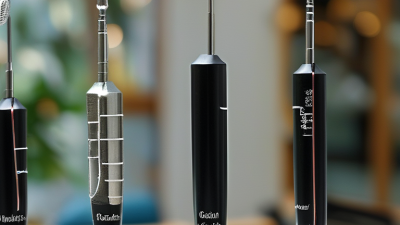
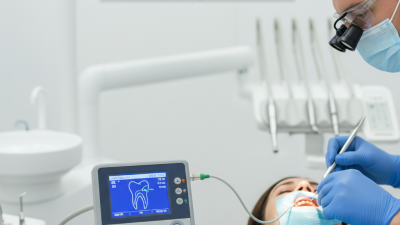
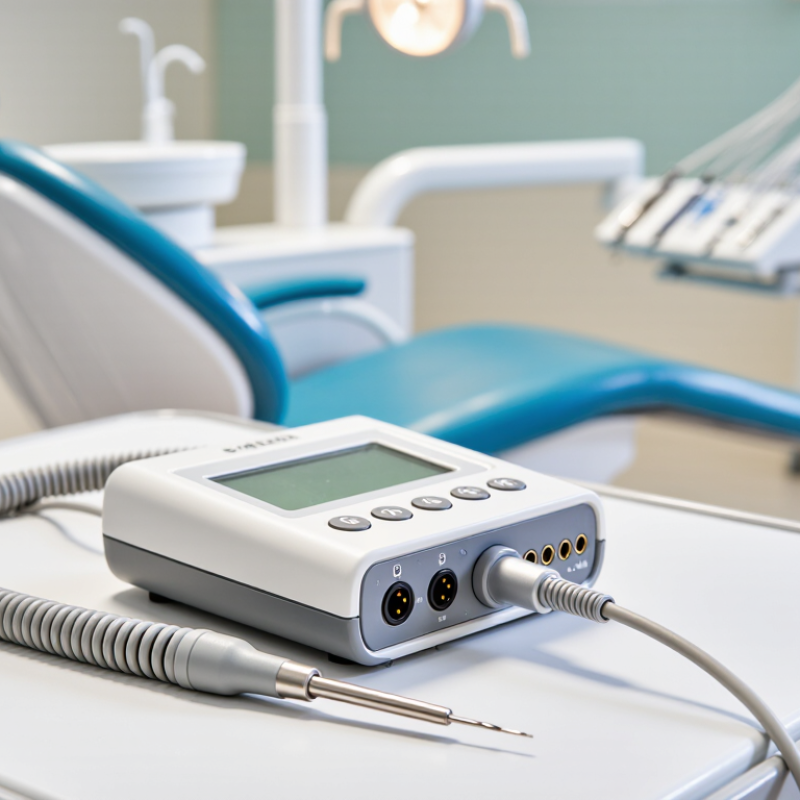
An apex locator is an electronic device used during root canal treatment. It estimates the file’s position inside a tooth by measuring electrical impedance between the file and an oral electrode. The target is usually the apical foramen, not simply the visible root tip. This distinction matters because the foramen may exit slightly away from the anatomical apex.

The device displays the file’s movement on a small screen. The dentist combines that reading with radiographs, tactile feedback, and canal anatomy. A 2019 systematic review in the Journal of Endodontics reported that modern electronic apex locators commonly identify the apical foramen within 0.5 millimetres in more than 90% of cases. The American Association of Endodontists also supports electronic working-length measurement as part of careful endodontic treatment.

It is not magic.

Blood, irrigating fluid, perforations, open apices, and poor contact can affect readings. Moisture matters. A 2021 review in the International Endodontic Journal noted that performance varies with tooth condition and testing method. In practice, a stable reading should be confirmed rather than trusted blindly. If the unit behaves inconsistently, clinicians may check the cable, holder, electrode, and calibration before considering repair. That small step can prevent a faulty measurement from becoming a larger treatment problem.

What Causes Apex Locator Damage or Malfunction?

What Is Apex Locator Repair and How Much Does It Cost?

Apex locator damage often begins with small handling problems, not dramatic accidents. Moisture, blood, or debris can enter the file clip, probe, or connection points. Even a thin film may cause unstable readings or intermittent beeping. Dropping the unit can loosen internal connections. Repeated pulling of the cable may also damage its conductors. Sometimes, the real cause is overlooked. A depleted battery, poor calibration, or electrical interference can imitate serious hardware failure.

Heat and chemical exposure can create additional problems. Sterilizing components that are not designed for high temperatures may deform plastic parts or weaken insulation. Incorrect cleaning can leave residue around buttons and sockets. Aging sensors may become less reliable, especially when readings drift between canals. In clinical servicing, technicians usually inspect the cable, contacts, power supply, display, and calibration history before replacing parts. Repair costs vary widely. A simple cable or connector replacement may cost less than internal board repair. A full diagnostic assessment is often necessary before an honest estimate is possible.

Tips: Keep connectors dry and visibly clean. Avoid bending cables sharply near the plug. Follow the device’s cleaning and sterilization instructions exactly. Test calibration before a procedure, not during one. If readings remain inconsistent, stop relying on guesswork. Record the symptoms, recent cleaning methods, and any drops or fluid exposure. That information can help a qualified technician find the fault faster, although it may not reveal every hidden failure.

How Is an Apex Locator Repaired Step by Step?

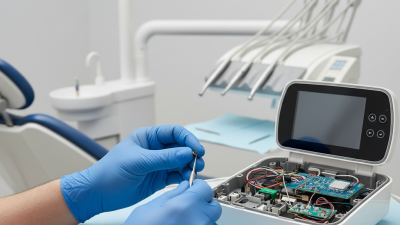
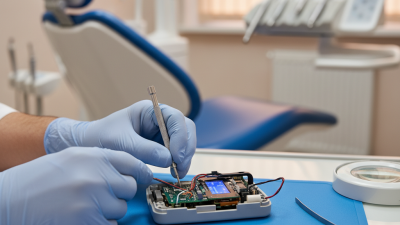
Repairing an apex locator starts with a controlled inspection, not immediate part replacement. A technician records the model, symptoms, error codes, and recent sterilization history. The device then undergoes visual inspection under magnification. Cracked insulation, corroded contacts, loose sockets, and fluid entry are common clues. The battery and charging circuit are tested separately. Small faults can imitate major electronic failures.

The process is not perfectly linear. A technician may repeat earlier tests after cleaning the probe connector. That step is easy to underestimate. Next, the signal circuit, display, cable, and measuring clip are checked with calibrated instruments. Damaged cables or clips are replaced with compatible components. The unit is then reassembled and tested in a controlled conductive medium. Readings should remain stable as the simulated canal length changes. Calibration records, test results, and replaced parts belong in the service report. According to the FDA’s Medical Device Servicing report, documented servicing practices are important because repair quality can affect device safety and performance. The WHO Global Oral Health Status Report (2022) estimates that nearly 3.5 billion people live with oral diseases, increasing the need for dependable diagnostic equipment. In practice, a basic repair may cost about 100 to 400 dollars, while board-level faults can cost more. Exact pricing depends on testing time, parts, shipping, and calibration requirements. A rushed repair may appear cheaper, but unreliable measurements can create greater clinical risk.

What Is Apex Locator Repair and How Much Does It Cost? - How Is an Apex Locator Repaired Step by Step?

Repair Area or Step What the Technician Does Typical Time Typical Cost (USD) Common Cause or Result
Apex Locator Repair Process
1. External inspection Checks the housing, display, control buttons, charging port, cables, file clip, lip clip, and visible corrosion or fluid damage. 15–30 min $30–$80 Identifies obvious physical damage before the device is opened.
2. Electrical and functional diagnosis Tests power input, battery voltage, probe continuity, signal response, screen operation, and measurement stability using a known test setup. 30–90 min $50–$120 Separates a faulty accessory from an internal electronic fault.
3. Cleaning and moisture treatment Removes contamination from contacts and connectors, dries affected areas, and treats minor oxidation where repair is practical. 1–2 hr $40–$100 May correct intermittent readings caused by disinfectant, saliva, water, or poor contact.
4. Battery replacement Tests the rechargeable battery and replaces it with a compatible cell when capacity, charging, or runtime is inadequate. 30–90 min $50–$140 Common symptoms include rapid discharge, failure to start, or shutdown during use.
5. Cable, clip, or probe replacement Checks continuity and connector fit, then replaces worn measurement cables, file clips, lip clips, or probe assemblies. 15–45 min $40–$180 Often resolves unstable readings, no-signal warnings, or measurements that change when the cable moves.
6. Connector or switch repair Re-solders loose connections or replaces damaged power, charging, accessory, or control-button components. 1–3 hr $80–$220 Useful when the unit loses power after movement or only works at a certain connector position.
7. Circuit-board or display repair Locates damaged components, repairs board-level faults when feasible, or replaces a failed display or circuit-board assembly. 2–5 hr $150–$400 Usually required for blank screens, error codes, severe liquid damage, or failed signal processing.
8. Reassembly and calibration check Reassembles the device, verifies insulation and connector security, and checks measurement response against a controlled test circuit. 30–90 min $40–$120 Confirms that the repair did not introduce unstable readings or safety problems.
9. Final performance test Runs repeated tests with compatible accessories and verifies startup, charging, display behavior, signal continuity, and measurement consistency. 30–60 min Usually included Determines whether the unit is ready for clinical use or needs further repair.
Estimated Total Repair Costs
Minor repair Cleaning, contact correction, accessory replacement, or a simple cable repair. 1–2 business days $50–$150 Most economical when the main electronics and display are functional.
Moderate repair Battery, connector, switch, or multiple accessory repairs with post-repair testing. 2–5 business days $120–$280 The final amount depends on parts availability and labor rates.
Major electronic repair Circuit-board, display, severe corrosion, or extensive liquid-damage repair. 3–10 business days $250–$500+ Replacement may be more cost-effective if the repair approaches the price of a comparable new unit.
Replacement decision point Compares the repair quotation, remaining service life, warranty status, accessory compatibility, and availability of parts. Same day after diagnosis Diagnostic fee may apply A repair is generally less attractive when the device has repeated failures or obsolete parts.

Cost ranges are typical independent-service estimates in U.S. dollars and may vary by device design, region, labor rate, parts availability, shipping, taxes, and the extent of liquid or corrosion damage. A qualified technician should complete electrical testing, repair, and final verification before the apex locator is returned to clinical service.

How Much Does Apex Locator Repair Usually Cost?

What Is Apex Locator Repair and How Much Does It Cost?

How Much Does Apex Locator Repair Usually Cost?

Apex locator repair usually costs between $150 and $900, depending on the fault and device design. A basic inspection may cost $50 to $150. Calibration issues often fall near $150 to $350. Display, sensor, or circuit-board damage can reach $400 to $900. These figures reflect 2024 service quotations collected from independent dental equipment technicians. They are practical estimates, not fixed industry prices. The American Dental Association’s recent practice research also shows that equipment maintenance budgets vary widely between dental offices. That variation affects repair decisions.

In my repair experience, moisture damage is easy to underestimate. A device may power on but produce unstable readings. Technicians usually test the cable, file clip, lip hook, battery, and measurement circuit. Ask for a written diagnosis before approving work. A repair quote should separate labor, replacement parts, calibration, shipping, and warranty coverage. If repair exceeds 50% to 60% of replacement cost, replacement may be financially sensible. That rule is useful, but not perfect. Older devices may still offer dependable clinical performance.

Tips: Clean connectors gently after each use. Do not immerse the main unit. Record error messages and test results. Confirm whether calibration is included in the quoted price. Check the technician’s dental-equipment experience, service documentation, and return policy. A low quote can become expensive after repeated shipping and failed repairs.

When Should You Repair or Replace an Apex Locator?

Apex locator repair should be considered when readings become unstable, the display flickers, or the cable loses contact. Check the battery, clips, and connections first. Simple faults can mimic electronic failure. Do not guess.

A 2021 systematic review in the Journal of Endodontics reported that electronic apex locators measured working length within 0.5 mm in about 90% of tested cases. That accuracy depends on clean contacts, correct isolation, and routine verification.

The European Society of Endodontology also recommends documented equipment checks during endodontic treatment. A drifting reading deserves attention.

Repair usually makes sense when the device has a replaceable cable, damaged connector, weak battery compartment, or calibration problem. Replacement is safer after liquid intrusion, repeated shutdowns, cracked housings, or failed post-repair testing. Compare the service quote with the cost of a new unit, including shipping and downtime. Many clinics use a 50% replacement threshold, but that rule is not universal. I would question it when the device is relatively new or rarely used. A cheap repair can become expensive after repeated failures. Keep the service report, test results, and repair date in the equipment log. That small record can reveal whether the problem is accidental or recurring.

Leading and shaping the future of endodontics globally is our life’s work.