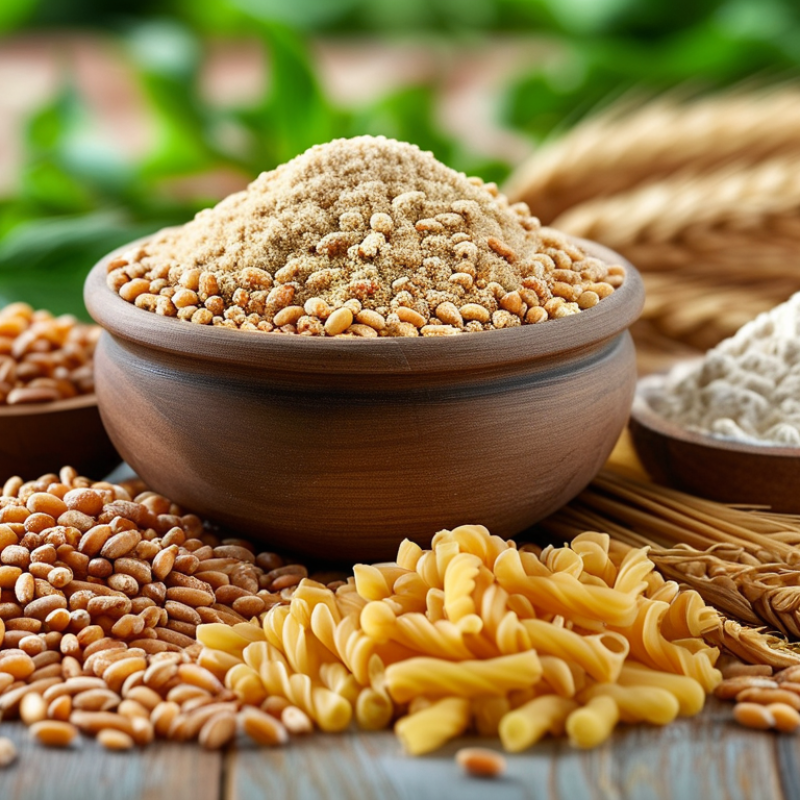
What is Wheat Gluten Pellets and Their Benefits for Buyers?
Wheat Gluten Pellets are gaining popularity in various industries. These pellets offer multiple advantages for buyers looking for high-quality protein sources. According to Dr. Emily Thompson, an expert in plant-based nutrition, "Wheat Gluten Pellets are an excellent choice for enhancing protein content in animal feed and human diets."
These pellets are rich in essential proteins and dietary fiber. Their versatile nature allows them to be used in different products, such as snacks, cereals, and animal feed. However, not all Wheat Gluten Pellets are created equal. Buyers should carefully consider sourcing and quality.
While they provide significant nutritional benefits, some experts caution about potential allergens. It's essential to understand the implications for consumers with gluten sensitivities. As the market for Wheat Gluten Pellets grows, ongoing research and quality assessments remain critical for informed purchasing decisions.
What Are Wheat Gluten Pellets?
Wheat gluten pellets are a concentrated form of protein derived from wheat. They are produced by washing wheat flour dough with water to remove starch granules. This process leaves behind gluten, the key elastic protein in wheat. These pellets are a valuable ingredient in both animal feed and human food products, thanks to their high protein content.
Many studies show that wheat gluten pellets contain around 70-75% protein. This makes them an essential source for livestock nutrition. They are particularly beneficial for growing animals needing protein for development. According to the Animal Feed Industry report, incorporating these pellets can drastically enhance the amino acid profile of animal feed. Thus, they help in improving overall livestock health and productivity.
In the food sector, wheat gluten pellets serve as a meat substitute in vegetarian and vegan diets. They can provide a chewy texture, mimicking the experience of meat. However, challenges remain in quality control and sourcing. Not all wheat gluten is created equal. Variations in protein quality can impact the final product. Buyers should focus on sourcing from reliable suppliers to ensure consistency and quality. This attention to detail is crucial for achieving the best outcomes, whether in animal feed or food production.
What is Wheat Gluten Pellets and Their Benefits for Buyers?
| Property | Description |
| Source | Derived from the processing of wheat, primarily from the gluten protein. |
| Nutritional Content | High in protein (up to 75%), low in fat, and contains essential amino acids. |
| Uses | Commonly used in animal feed, as a meat substitute in vegetarian formulations, and in food products for texture. |
| Benefits for Buyers | Enhances protein intake, improves texture in food products, and serves as a cost-effective ingredient. |
| Market Trends | Growing demand in the vegan and plant-based market, with increased interest in sustainable protein sources. |
| Sustainability | Considered sustainable as it utilizes a by-product from wheat processing, reducing waste. |
Nutritional Composition of Wheat Gluten Pellets
Wheat gluten pellets are a unique byproduct of wheat processing. They offer considerable nutritional benefits. These pellets consist mainly of gluten, which is a protein that supports muscle growth and maintenance. Additionally, they are rich in essential amino acids, vital for human and animal health.
The nutritional composition of wheat gluten pellets is impressive. They provide high protein content, around 70-80%. This makes them ideal for those seeking plant-based protein sources. Moreover, they contain low levels of fat and carbohydrates. These features can benefit various diets. Athletes often include them for recovery. However, one must consider personal dietary needs, as sensitive individuals may react to gluten.
Despite their advantages, wheat gluten pellets might not suit everyone. Individuals with celiac disease or gluten intolerance should avoid them. Additionally, one should balance their intake with other nutrients. Nutrition should be varied to prevent deficiencies. Exploring options is crucial for a well-rounded diet.
Key Benefits of Wheat Gluten Pellets for Livestock Feed
Wheat gluten pellets are a byproduct of wheat processing. They are gaining popularity in livestock feed due to their high protein content. Research indicates that wheat gluten pellets contain around 75% crude protein, making them a valuable protein source for livestock. This nutrient density supports healthy growth and improves meat quality.
In addition to protein, these pellets offer essential amino acids. Livestock require these nutrients for optimal health and productivity. Studies have shown that incorporating wheat gluten pellets in animal diets can enhance weight gain. For instance, a study highlighted that cattle fed a diet rich in wheat gluten pellets gained up to 15% more weight compared to those on conventional feeds.
Furthermore, gluten pellets contribute to a balanced diet. They offer a lower fat content, which can be beneficial for certain livestock types. However, it is essential to monitor overall feed composition to prevent imbalances. Producers must also consider sourcing and quality, as variability exists in pellet quality. Attention to these details ensures livestock receive the best possible nutrition for growth and health.
Cost-Effectiveness of Wheat Gluten Pellets for Buyers
Wheat gluten pellets are becoming popular among buyers for various reasons. One major factor is their cost-effectiveness. Recent studies indicate that the average price per ton of wheat gluten pellets is significantly lower than that of high-protein soybean meals. For instance, the price difference can reach up to 30%. This creates a compelling case for buyers seeking value without compromising on protein quality.
In addition to being budget-friendly, wheat gluten pellets are highly nutritious. They contain around 70% protein, making them an excellent feed option for livestock and aquaculture. Industry reports highlight that using these pellets can lead to a 10% increase in weight gain in livestock, highlighting their efficiency. However, potential buyers should consider the moisture content, as this can affect storage and handling practices.
Tips: Always check the sourcing of wheat gluten pellets to ensure quality. Buying from reputable suppliers can prevent variations in nutrient content. Additionally, keep storage conditions in mind. Improper storage can lead to spoilage and financial losses. Quality matters!
Comparison with Other Feed Ingredients
Wheat gluten pellets are a valuable feed ingredient known for their high protein content. They offer a significant alternative to traditional protein sources such as soybean meal and fish meal. With protein levels often exceeding 60%, these pellets can enhance the nutritional profile of animal feed. Furthermore, they are rich in essential amino acids, critical for growth and development in livestock.
When compared to other feed ingredients, wheat gluten pellets stand out. Their digestibility is often superior, allowing animals to absorb nutrients more efficiently. This can lead to improved feed conversion ratios. However, there are challenges. Some buyers question the availability and consistency of supply. Variability in quality can also be an issue.
It's essential for buyers to assess their specific needs. Understanding how wheat gluten pellets fit into a balanced diet is crucial. They should not be the sole protein source. Monitoring animal performance is key to ensuring optimal results. Buyers may find it beneficial to experiment with different ratios, adjusting as needed.