
What Is a Natural Peptide and How Does It Work?

A Natural Peptide is a short chain of amino acids found in living organisms or produced as proteins break down. Some occur naturally in foods, while others are made inside the body and help regulate biological processes. Their small size matters: a peptide’s particular sequence and shape can affect how it interacts with cells. Small, but specific.

How does it work? Depending on its structure, a peptide may bind to a receptor, influence a cell signal, or affect an enzyme. In food, peptides can form during fermentation, cooking, or digestion. What happens next depends on the peptide, the amount present, and whether it survives digestion and reaches a relevant site in the body. A claim about one peptide does not automatically apply to another.

The word “natural” describes origin, not proven benefit or guaranteed safety. That distinction is easy to miss. Evidence may come from laboratory studies, human research, or long-standing food use, and these forms of evidence do not answer the same questions. Researchers also examine dose, absorption, and possible interactions before drawing firm conclusions. Some findings remain preliminary. This guide explores what natural peptides are, how they may work, where they are found, and what current evidence can—and cannot—show. It is worth keeping an open mind, but also asking what a study actually measured.
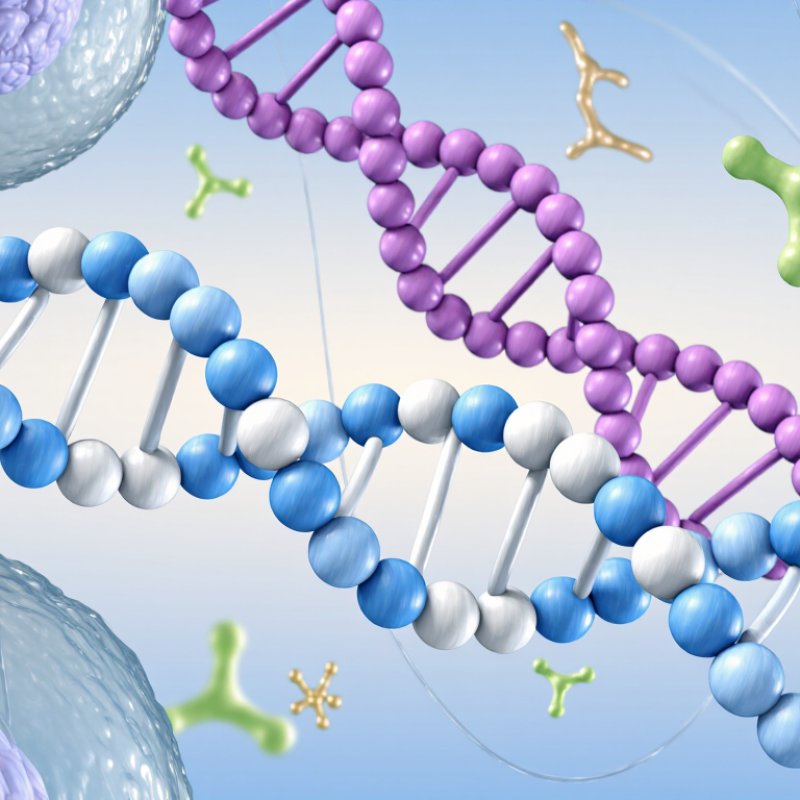
What Is a Natural Peptide and How Does It Work?

What Defines a Natural Peptide?

What Is a Natural Peptide and How Does It Work?

What Defines a Natural Peptide?

A natural peptide is a short chain of amino acids produced by a living organism. There is no universal length cutoff separating peptides from proteins. “Natural” describes origin, not purity, safety, or effectiveness. Some peptides are made directly by cells; others are released when enzymes break larger proteins into smaller pieces. Their amino-acid sequence and shape help determine how they interact with cells, such as binding to a receptor or influencing a biological signal. Small structural changes can alter that activity.

Industry figures offer context, but not a definition. Grand View Research estimated the global peptide therapeutics market at about US$43 billion in 2023. That estimate covers peptide-based medicines, not every natural peptide found in food or organisms. Market size also cannot show whether a particular peptide works for a specific purpose. The distinction matters.

How Natural Peptides Are Formed and Structured

Natural peptides are short chains of amino acids made by living organisms. The term is broad. Cells often build them on ribosomes, where genetic instructions guide amino acids into a specific order. Each amino acid joins its neighbor through a peptide bond, formed between an amino group and a carboxyl group.

Some peptides are released as complete chains; others begin as larger precursor proteins. Enzymes may cut these precursors at particular sites, while chemical changes can modify the chain afterward. For example, a peptide may gain a phosphate group or form a bond between two cysteine residues. These steps can affect stability, shape, and activity. The details vary by organism and peptide.

Structure starts with sequence. The chain has direction, from its amino end to its carboxyl end, and even a small sequence change can alter how it folds. Local sections may form helices or sheets, while other parts stay flexible. Some peptides fold into compact shapes, supported by hydrogen bonds, electrical attractions, or disulfide bonds. A flat sequence diagram helps, but it can be misleading: a peptide in water may shift between shapes. That uncertainty matters when researchers describe how it works.

What Is a Natural Peptide and How Does It Work?

Natural peptides are chains of amino acids joined by peptide bonds. Their sequence and length help shape how they fold and function.

How to read the chart: These examples range from 9 to 51 amino acid residues. Insulin contains two peptide chains linked by disulfide bonds, while shorter peptides such as oxytocin have a compact sequence. Amino acid sequence and molecular structure influence each peptide’s properties.

Where Natural Peptides Occur in Living Systems

Natural peptides appear throughout living systems, from human tissues to plants, fungi, and bacteria. They are short chains of amino acids, though scientists do not use one universal length cutoff. Some are made inside cells from larger precursor proteins, then trimmed by enzymes into active forms. Others emerge when digestive enzymes break food proteins into smaller fragments. Small chains, broad roles.

In people, peptide hormones such as insulin help coordinate blood sugar, while signaling peptides carry messages between cells. Neuropeptides in the brain and nerves can influence pain, appetite, and stress responses. Immune cells also produce antimicrobial peptides that help defend surfaces such as skin. These molecules do not act alone; receptors, tissue conditions, and timing shape their effects.

Peptides occur beyond animals. Plants use signaling peptides during growth and wound responses, and microbes make peptides that support competition or communication. Food can contain peptide fragments after cooking, fermentation, or digestion, but their presence does not guarantee a health effect. The details matter. Some fragments are quickly broken down; others remain active under particular conditions. Even the phrase “natural peptide” can be a little slippery: natural describes where or how a molecule occurs, not whether it is automatically safe or beneficial.

How Natural Peptides Interact With Cells and Receptors

What Is a Natural Peptide and How Does It Work?

Natural peptides are short amino-acid chains produced by living organisms. Many act as signals, docking onto receptors at a cell’s surface. The fit is specific, but not perfectly simple: receptor shape, local chemistry, and the cell’s condition all influence the response. For example, insulin binds a receptor that triggers enzyme-linked signaling, while oxytocin activates a G-protein-coupled receptor. One small molecular contact can start a cascade inside the cell. Not magic—just chemistry, repeated quickly.

How Natural Peptides Interact With Cells and Receptors

After binding, a receptor may change shape and pass a message inward, affecting processes such as secretion or gene activity. Some peptides are quickly broken down, so their signals may be brief. Others can trigger longer-lasting effects, depending on the receptor and tissue. The IUPHAR/BPS Guide to PHARMACOLOGY catalogs hundreds of human G-protein-coupled receptors, a major receptor family that includes targets for peptide signals. That breadth helps explain why similar peptides can produce different effects across tissues. Receptor details matter.

What Biological Processes Natural Peptides Influence

Natural peptides are short chains of amino acids made by living organisms. In the body, they can act as hormones, local messengers, or immune defenses. Insulin, for example, binds to receptors after a meal and helps cells take up glucose. A signal, not a switch. Some antimicrobial peptides also help protect skin and mucosal surfaces from microbes.

Peptides influence blood pressure, appetite, digestion, inflammation, and tissue repair. Natriuretic peptides, for instance, signal the kidneys to release sodium and water, affecting blood volume. The World Health Organization’s 2023 Global Report on Hypertension estimates that 1.28 billion adults aged 30–79 had hypertension in 2021. That figure shows the scale of the problem, not that one peptide explains it. Metabolism matters too: the International Diabetes Federation’s 2025 Diabetes Atlas estimates 589 million adults were living with diabetes in 2024. These are disease-burden figures, not evidence that peptide products treat disease. Peptide effects depend on where they act, which receptor they meet, and how quickly enzymes break them down. The biology is elegant, but not tidy.

Leading and shaping the future of endodontics globally is our life’s work.