How to Use Soy Protein Isolate for Optimal Nutrition Benefits?
In recent years, "Soy Protein Isolate" has gained prominence in nutrition science. It is known for its rich amino acid profile and health benefits. According to a report by the Food and Agriculture Organization, soy protein is low in saturated fats and cholesterol-free. This makes it a valuable alternative to animal proteins. Dr. John Anderson, an expert in plant-based nutrition, emphasizes this. He states, “Soy Protein Isolate provides a complete protein source that supports muscle health and overall wellness.”
Research in the Journal of Nutrition highlights the benefits of Soy Protein Isolate in weight management and muscle building. The consumption of soy protein can improve heart health due to its role in lowering cholesterol levels. However, some individuals may experience digestive discomfort with higher intake. It’s important to approach this nutrient thoughtfully. Understanding the balance between benefits and potential drawbacks is key to optimal nutrition practices.
In essence, Soy Protein Isolate is more than just a protein source. It represents a shift in dietary approaches focused on plant-based nutrition. Consuming soy protein can enhance your overall health, but moderation is crucial. Being aware of personal responses to soy is essential. Thus, integrating Soy Protein Isolate into your diet should be a carefully considered decision.
Understanding Soy Protein Isolate: Nutrition and Health Benefits
Soy protein isolate stands out as a vital nutrient for many seeking optimal health benefits. It contains about 90% protein, making it a concentrated source for muscle repair and growth. Research indicates that regular consumption can aid in weight management by promoting satiety. A study published in the "Journal of Nutrition" highlights that individuals incorporating soy protein into their diets report increased feelings of fullness compared to those consuming whey protein.
The health benefits extend beyond muscle support. Soy protein is rich in essential amino acids and is low in saturated fat. It may help in reducing cholesterol levels. According to the American Heart Association, replacing animal proteins with soy protein can lower LDL cholesterol levels by 3-5%. This shift is crucial for heart health, especially in those at risk. However, some individuals may experience digestion issues or allergies when consuming soy-based products. It's essential to assess personal tolerance before making it a dietary staple.
Incorporating soy protein isolate can significantly impact overall nutrition. Yet, moderation is key. Individuals should evaluate their dietary habits holistically. Consulting a healthcare provider or registered dietitian is wise for personalized advice. Understanding the nuances of soy protein use can maximize its benefits while ensuring it fits into a balanced diet.
How to Use Soy Protein Isolate for Optimal Nutrition Benefits
This chart illustrates the nutritional composition of Soy Protein Isolate compared to other common protein sources. The data shows the protein, fat, and carbohydrate content in grams per 100 grams of the food source.
Different Forms of Soy Protein Isolate and Their Advantages
Soy protein isolate comes in various forms, each offering unique nutritional advantages. The most common types are textured soy protein, soy protein powder, and soy milk. Textured soy protein is often used in meat alternatives. It's rich in protein, providing approximately 54 grams of protein per 100 grams. This high protein content makes it a popular choice for those reducing meat intake.
Soy protein powder is another versatile form. It caters to athletes and fitness enthusiasts seeking convenient protein sources. Studies indicate that soy protein can promote muscle growth similarly to whey protein. A report from the Journal of the American College of Nutrition highlights that soy protein can enhance muscle mass and strength when combined with resistance training.
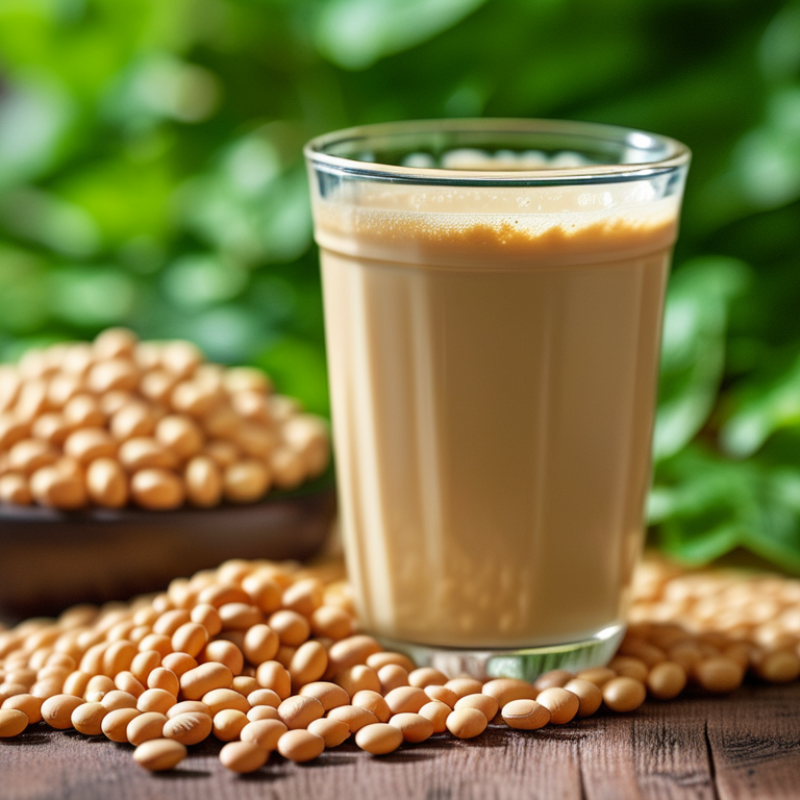
Soy milk serves as a dairy alternative, appealing to lactose-intolerant individuals. It typically contains 7 grams of protein per cup, making it a good option for diverse diets. While soy provides many benefits, it's essential to monitor intake. Some individuals may experience digestive issues or allergic reactions. Thus, understanding the different forms of soy protein isolate can help you make informed dietary choices.
How to Incorporate Soy Protein Isolate into Your Diet
Incorporating soy protein isolate into your diet can boost your overall nutrition. It is a versatile ingredient found in various meal types. You can add it to smoothies, oatmeal, or baked goods for a protein boost. Just a scoop can enhance your meal's nutritional value.
Try mixing soy protein isolate with your morning smoothie. Combine it with fruits, spinach, and almond milk. It creates a creamy texture and adds protein without affecting taste. For breakfast, blend it into your oatmeal for an energy-packed meal. You can also bake protein bars or muffins with it. This way, you enjoy a healthy snack without much effort.
Experimentation is key. Adjust the amount of soy protein to find what suits your taste. Remember, too much can overwhelm the flavor. Adding spices like cinnamon can balance it out. Not every attempt will yield the perfect dish. Be prepared to refine your recipes over time. This process can enhance your culinary skills while improving your health.
How to Use Soy Protein Isolate for Optimal Nutrition Benefits? - How to Incorporate Soy Protein Isolate into Your Diet
| Nutrition Component | Amount per Serving (30g) | Daily Value (%) | Health Benefits |
| Calories | 120 | 6% | Provides energy for daily activities. |
| Protein | 23g | 46% | Aids in muscle repair and growth. |
| Carbohydrates | 1g | 0% | Minimal impact on blood sugar levels. |
| Fat | 2g | 3% | Contains healthy fats that support heart health. |
| Fiber | 0g | 0% | Not a significant source of dietary fiber. |
| Iron | 1.5mg | 8% | Important for oxygen transport in the body. |
Recommended Dosage and Timing for Optimal Nutrition
When incorporating soy protein isolate into your diet, understanding dosage and timing is crucial for maximizing its benefits. Research indicates that consuming about 25 grams of soy protein isolate per day can support muscle growth and recovery. This dosage aligns with recommendations from the Journal of Nutrition, which states that adequate protein intake is essential for maintaining overall health.
Timing also plays a vital role. Consuming soy protein isolate shortly after workouts can enhance muscle protein synthesis. A study published in the American Journal of Clinical Nutrition found that individuals who ingested protein within a 30-minute window post-exercise experienced better recovery outcomes. This is particularly important for athletes and those engaged in resistance training.
However, it's important to consider individual needs. Some may find that consuming too much soy protein can lead to digestive discomfort. Monitoring your body’s response can help in adjusting the intake. While soy protein is a great source of amino acids, it isn’t a complete protein source on its own. Balancing it with other protein types can ensure a well-rounded nutrition profile.
Potential Allergies and Side Effects of Soy Protein Isolate
Soy protein isolate is celebrated for its high protein content and health benefits. However, potential allergies and side effects deserve attention. Research indicates that approximately 0.5% to 2% of the general population may be allergic to soy. Symptoms of a soy allergy can range from mild rashes to severe anaphylaxis. Those with soy allergies should approach soy protein isolate cautiously, as it may trigger adverse reactions.
Gastrointestinal issues can arise as well. Some individuals experience bloating, gas, or diarrhea after consuming soy protein isolate. This is likely due to the unique protein structure and the presence of oligosaccharides. A study in the Journal of Nutrition highlighted that about 25% of participants reported digestive discomfort after soy consumption. Understanding the body’s response to soy is vital for optimal nutrition. If side effects occur, consulting a healthcare provider is crucial. Listening to your body can help tailor your dietary choices effectively.
