How to Use Red Light Therapy for Better Skin Health?
Red Light Therapy is gaining significant attention in the skincare industry. Dr. Michael Hamblin, a leading expert, states, “Red Light Therapy can rejuvenate skin and promote healing.” This powerful treatment harnesses specific wavelengths of red light to improve skin health.
Many users report a reduction in fine lines and improved texture. Nonetheless, results may vary, and some people might not experience immediate effects. Regular sessions are crucial for optimal results. It is essential to approach Red Light Therapy with realistic expectations.
Understanding the science behind Red Light Therapy can boost your confidence in its benefits. This innovative approach encourages collagen production and enhances cellular repair processes. Exploring this therapy thoughtfully allows individuals to tailor their skincare regimes effectively. Ultimately, embracing both the potential and limitations of this treatment could lead to more informed choices for your skin health journey.
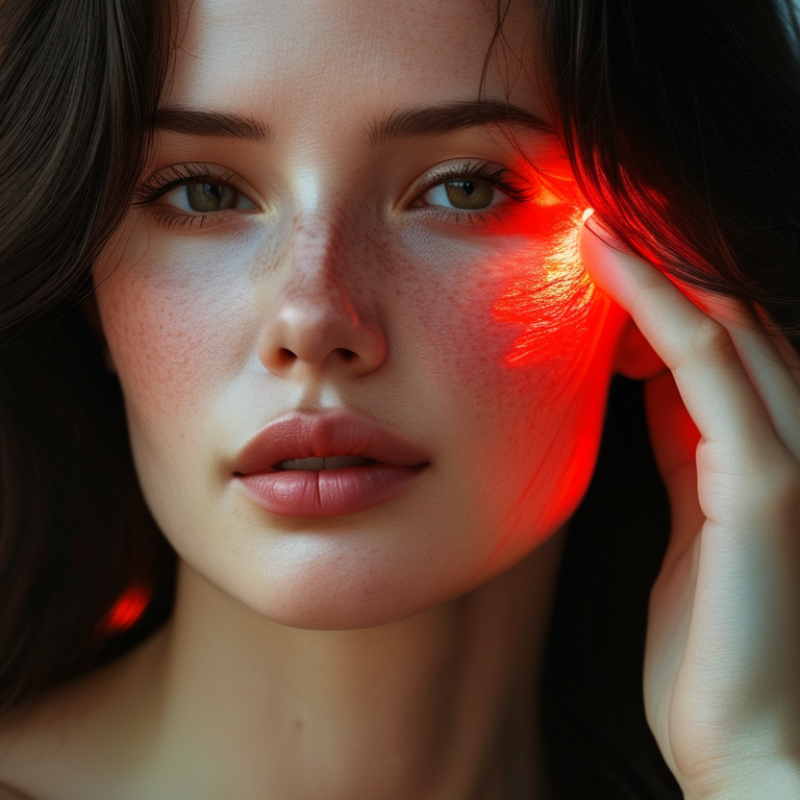
Understanding Red Light Therapy and Its Benefits for the Skin
Red light therapy is a growing trend in skin health. It's essential to understand how it works. This therapy uses specific wavelengths of light. These wavelengths penetrate the skin, promoting cell rejuvenation. Users often report improved skin tone and reduced wrinkles. The evidence suggests that red light can stimulate collagen production. Collagen is vital for youthful skin.
Benefits extend to reducing inflammation, which may aid in healing. People with acne have found it helpful. Some are skeptical about its effectiveness, and results may vary. Every skin type responds differently to therapy. It's crucial to set realistic expectations before starting.
Regular sessions are often recommended for noticeable effects. However, overuse can lead to irritation. It’s essential to listen to your skin. Keeping a journal of your experiences can be beneficial. Reflection helps in adjusting your approach. Overall, while red light therapy shows promise, understanding its impact on your skin is fundamental.
Benefits of Red Light Therapy for Skin Health
Mechanisms of Action: How Red Light Promotes Skin Health
Red light therapy (RLT) has gained traction for its potential to improve skin health. Scientific studies reveal that RLT works primarily through cellular mechanisms. The therapy stimulates mitochondria, enhancing ATP production. This action boosts cellular metabolism and promotes healing. Research shows skin cells can produce more collagen after RLT exposure, which is vital for maintaining skin elasticity.
In a study by the National Institute of Health, participants reported noticeable improvements in skin texture after just a few weeks of consistent RLT sessions. The therapy can reduce inflammation and promote blood circulation. Enhanced blood flow brings essential nutrients to the skin, accelerating recovery processes. Some reports indicate a reduction in acne lesions after RLT treatment, highlighting its potential in dermatological applications.
There are challenges, however. Individual responses to red light can vary significantly. Not everyone experiences the same benefits or improvements. Some may find minor side effects such as temporary redness. Research often lacks large-scale trials, complicating long-term efficacy assessments. More comprehensive studies are needed to validate existing findings and address discrepancies in user experiences.
Best Practices for Using Red Light Therapy Devices at Home
Red light therapy (RLT) has gained popularity for its skin benefits. Studies indicate that consistent use can improve skin texture and reduce wrinkles. Research by the Journal of Clinical and Aesthetic Dermatology found a 36% reduction in fine lines after eight weeks of RLT.
When using RLT at home, it's essential to follow best practices. Ensure the device emits red light at a wavelength between 600-650 nm for optimal results. Keep your skin clean before treatment to enhance absorption. Treatments should last between 10-20 minutes, several times a week. Overexposure can lead to skin irritation, so follow guidelines.
Monitoring responses to RLT is crucial. Not everyone experiences the same results. Some users report minimal changes initially, which can be discouraging. Document your skin's progress over time. This helps in making adjustments to your routine, maximizing benefits from the therapy.
How to Use Red Light Therapy for Better Skin Health? - Best Practices for Using Red Light Therapy Devices at Home
| Practice | Description | Recommended Duration | Frequency |
| Cleanse Skin | Start with clean skin to maximize light absorption. | N/A | Before each session |
| Distance from Device | Maintain a distance of 6 to 12 inches from the device. | N/A | During each session |
| Session Duration | Use the device for 10 to 20 minutes. | 10-20 minutes | 3-5 times a week |
| Post-Treatment Care | Apply moisturizer or serum after treatment. | N/A | After each session |
| Consistency | Regular sessions are key for best results. | N/A | Ongoing |
Potential Risks and Side Effects of Red Light Therapy
Red light therapy is gaining popularity for its potential skin benefits. However, it’s crucial to consider its risks and side effects. One notable concern is skin irritation. Some individuals may experience redness or itchiness after treatment. These reactions can vary from mild to severe, depending on skin type and sensitivity.
Another risk involves overexposure. Those using red light therapy for extended periods may lead to skin damage. It's essential to follow guidelines carefully. Skin thinning and increased sensitivity may occur with excessive use. Therefore, it's important to find a balanced routine that promotes healing without causing harm.
Individuals with specific conditions, such as chronic skin disorders, should consult a healthcare professional first. Certain medications may interact negatively with light therapy, heightening risks. Monitoring your skin’s response is vital. Even common side effects can be alarming. Taking notes about your experiences can aid in evaluating the therapy’s effectiveness and safety. Regular reflection is key to ensuring that you maintain healthy skin without unnecessary complications.
Integrating Red Light Therapy into Your Skincare Routine
Integrating red light therapy into your skincare routine can significantly enhance skin health. Studies indicate that red light therapy can increase collagen production by up to 300%. This boost can help reduce fine lines and wrinkles. Many users notice a visible improvement after just a few sessions.
To begin, consider using a handheld device or a panel designed for facial use. Aim for short treatments of about 10 to 15 minutes per day. Consistency is crucial. Some individuals may experience a slight redness after the session, which usually subsides quickly. It’s essential to monitor how your skin reacts and adjust time accordingly.
Combining red light therapy with other skincare practices can yield better results. A gentle cleanser and moisturizer can prepare your skin for treatment. However, be cautious with serums. Some active ingredients might not work well with light therapy. Documenting your skin's response over time is beneficial. This approach allows for adjustments based on personal experience.
