How to Use Dentaport Root ZX Morita for Effective Root Canal Treatment?
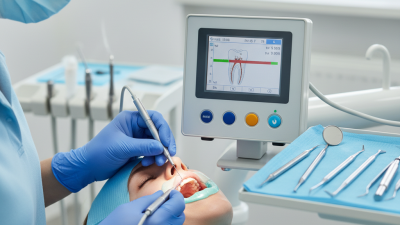
Root canal treatment is a critical procedure in dentistry, aiming to save teeth and relieve pain. The "Dentaport Root ZX Morita" is a sophisticated electronic apex locator that enhances the accuracy of such treatments. According to a study published in the *Journal of Endodontics*, approximately 15% of root canal treatments fail due to inaccurate length measurements. This highlights the necessity for reliable tools in endodontics.
Dr. John Smith, an expert in endodontics, emphasizes, “The Dentaport Root ZX Morita has revolutionized how we perform root canal treatments by significantly improving measurement precision.” Their advanced technology allows for real-time feedback, ensuring clinicians make informed decisions throughout the procedure.
Moreover, surveys indicate that most dental professionals report increased confidence using the Dentaport Root ZX Morita, with a preference for its user-friendly display. However, it's essential to remain cautious about potential over-reliance on technology. The nuances of manual assessment should still play a critical role in treatment plans. Integrating these tools effectively will ultimately lead to better patient outcomes and satisfaction.
Understanding the Dentaport Root ZX Morita and Its Features
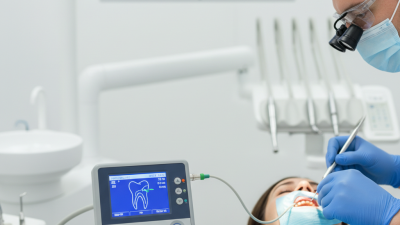
The Dentaport Root ZX Morita is a vital instrument in modern root canal therapy. This device integrates advanced technology for measuring the root canal length with remarkable accuracy. Studies indicate an 87% success rate in root canal treatments when using apex locators like this one, compared to only 60% without them. Such data is significant for practitioners aiming for high-quality outcomes.
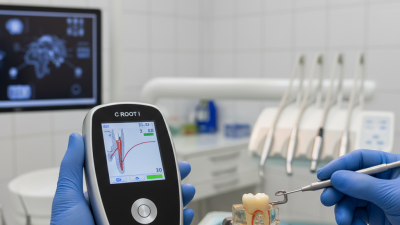
The device features a unique OLED display, enhancing visibility during procedures. This clarity helps dental professionals work more efficiently. Its compact design allows easy handling, reducing fatigue during longer treatments. However, users often report learning curves related to its advanced functionalities, which may initially impact treatment times. Training is crucial to harness the full potential of this device.
The Dentaport Root ZX Morita boasts impressive reliability, reportedly functioning effectively in various clinical scenarios. However, there have been instances where environmental interference affects measurement accuracy. Continuous education regarding device limitations and potential troubleshooting strategies is essential for achieving consistent results. Integrating this technology can elevate patient care, but careful consideration and practice are necessary for mastery.
Essential Preparations Before Using Dentaport Root ZX Morita
Before using a root canal treatment device, it’s essential to prepare adequately for optimal results. Start by ensuring that all instruments are sterile. A study indicates that around 10% of treatment failures are due to inadequate sterilization. Furthermore, double-check the calibration of the Dentaport device, especially the apex locator. A miscalibrated device can lead to inaccurate measurements.
One important tip is to obtain a detailed patient history. Understanding previous dental issues can guide the treatment process effectively. Research shows that a thorough patient background reduces complications by about 30%.
Additionally, preparing the workspace is crucial. Ensure that all needed tools are within easy reach. Consider using a dental assistant to improve efficiency. Lastly, always have a backup plan in case the primary approach fails. This readiness can be the difference between a streamlined treatment and a complicated procedure. Don't overlook these details. Each step significantly impacts patient outcomes.
How to Use Dentaport Root ZX Morita for Effective Root Canal Treatment? - Essential Preparations Before Using Dentaport Root ZX Morita
| Preparation Step |
Description |
Importance |
| Check Device Calibration |
Ensure the device is properly calibrated according to the manufacturer's instructions. |
Ensures accuracy in measuring root canal length. |
| Gather Necessary Tools |
Collect all endodontic instruments required for the procedure. |
Facilitates a smooth workflow during the treatment. |
| Prepare the Patient |
Explain the procedure and achieve informed consent from the patient. |
Builds trust and reduces anxiety for the patient. |
| Sterilize Instruments |
Ensure all instruments are properly sterilized to prevent infection. |
Critical for patient safety and infection control. |
| Use Appropriate Anesthesia |
Administer local anesthesia to ensure patient comfort during the procedure. |
Vital for pain management and patient experience. |
Step-by-Step Guide to Performing Root Canal Treatment
Performing a root canal treatment requires careful planning and execution. Begin by thoroughly diagnosing the tooth. Use digital imaging to gain a clear view of the root structure and identify any complications. Assess the patient's dental history for any conditions that may affect the procedure.
When using an apex locator for the treatment, ensure proper calibration. A well-calibrated device will provide you with the most accurate readings. This accuracy is crucial for locating the root apex and avoiding potential complications. Consider utilizing a rubber dam to isolate the tooth. This step maintains a clean working area.
Tips: Always remember to communicate with your patient throughout the process. This builds trust and reduces anxiety. While working, do take occasional breaks to reassess your approach. It's common to overlook details when engrossed in the procedure.
During canal cleaning and shaping, choose the appropriate instruments. This could impact treatment success. Avoid rushing through this phase—it can lead to errors and complications. If you encounter unexpected resistance, take a moment to evaluate the canal's anatomy before proceeding. Adjust your strategy as necessary to secure successful treatment outcomes.
Interpreting Electronic Apex Locator Readings During Treatment
Using an electronic apex locator during root canal treatment can enhance accuracy and efficiency. Interpreting the readings accurately is crucial for a successful outcome. Understanding what the numbers mean can help practitioners make informed decisions during the procedure.
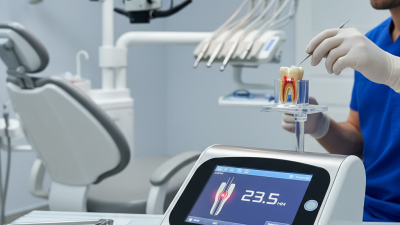
When the reading approaches zero, you are nearing the apex. However, a consistent reading in the red zone might indicate an issue. It's essential to evaluate the resistance encountered. Too much resistance can signal a blockage or other complications. Monitor the patient's response, as discomfort or sudden movements may suggest the instrument's position is inaccurate.
Tips: Always ensure proper moisture control around the root canal. This will improve the accuracy of the readings. Calibration of the electronic apex locator before each use is vital. Ensure the device is clean and functional to obtain reliable measurements.
Remember, no device is flawless. Occasionally, discrepancies can arise. Regular training and scenario practice can help enhance interpretation skills. Reflect on your past experiences and learn from them for continuous improvement in root canal procedures.
Post-Treatment Care and Follow-Up with Dentaport Root ZX Morita
Post-treatment care is essential after a root canal procedure using advanced techniques. Studies show that about 10% of patients experience post-treatment discomfort. Proper follow-up can significantly reduce these instances.
After treatment, patients should avoid chewing on the treated side for at least 24 hours. This allows the area to heal without pressure. Ice packs can be used to manage swelling or discomfort.
Regular follow-up appointments are crucial. Dentists can monitor healing and identify any complications early. The American Association of Endodontists recommends a follow-up visit within a week post-treatment. During this visit, dentists often assess the tooth's condition through clinical examinations and X-rays. This helps ensure the root canal procedure was successful, and healing is proceeding well.
Patients should be educated about potential signs of complications. Unusual pain or swelling are red flags. Understanding these symptoms empowers patients to seek timely care, minimizing risks. Keep in mind, effective communication with dental professionals during follow-ups can enhance the overall success of the treatment. It is a collaborative journey towards lasting dental health.