How to Use Apex Locator Woodpex V for Accurate Root Canal Measurements?
Accurate root canal measurements are crucial for successful dental procedures. The apex locator Woodpex V is a valuable tool in this respect. This device enhances precision in locating the apical foramen, which is essential for effective endodontic treatment.
Using the apex locator Woodpex V requires careful handling and a good understanding of dental anatomy. Operators should familiarize themselves with the device's interface and settings. This familiarity can significantly improve measurement accuracy. However, the learning curve can be challenging.
Dental professionals often face difficulties when interpreting readings. Misinterpretation may lead to complications during treatment. Hence, training sessions and practice are recommended. The apex locator Woodpex V can be a game changer when used correctly. It integrates advanced technology, but the importance of clinician experience cannot be overstated.
Understanding the Apex Locator Woodpex V and Its Functionality
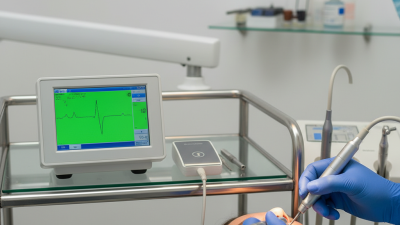
Understanding the Apex Locator Woodpex V is essential for achieving precise root canal measurements. This device enhances accuracy by measuring the electronic impedance of the tooth structure, allowing for better localization of the root apex.
It provides real-time feedback, which is crucial during endodontic procedures. Dentists must become familiar with the settings and calibration of this tool for optimal performance.
Tips for effective use include ensuring that the device is properly calibrated before each use. Perform a quick test on a similar tooth before starting your procedure. This can help to identify any discrepancies in measurements.
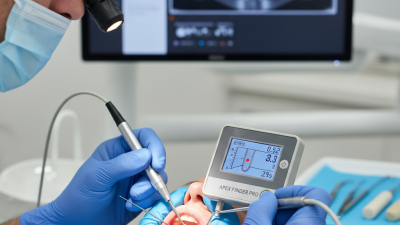
Additionally, pay attention to electrode placement. Correctly positioning the electrodes can significantly impact the readings and therefore the treatment outcome.
Remember, even seasoned professionals might encounter unexpected challenges while using the device. Factors such as tooth anatomy and presence of metal can influence results. It's vital to remain adaptable and ready to reassess during the procedure. Always be prepared to consult additional resources or peers for complex cases.
Embracing this mindset can enhance overall expertise in using the Apex Locator Woodpex V effectively.
Setting Up the Apex Locator Woodpex V for Use in Clinical Settings
Setting up the Apex Locator Woodpex V in a clinical setting requires careful attention to detail. Start by ensuring the device is properly calibrated. This will help achieve accurate measurements in root canal treatments. Check the battery life and replace it if necessary. A fully charged device enhances performance.
When preparing for use, make sure to connect the measuring tips securely. Inspect the cords for any damages. Damaged cords can lead to inaccurate readings. Regularly clean the device to maintain hygiene standards. This prevents cross-contamination during procedures.
Tips: Familiarize yourself with the user manual. Take time to understand the features. Do not hesitate to run a few practice tests on uninfected tooth models. This builds your confidence and proficiency. Lastly, reflect on any challenges faced during initial setups. Continuous learning is key.
Techniques for Accurate Root Canal Measurements with Woodpex V
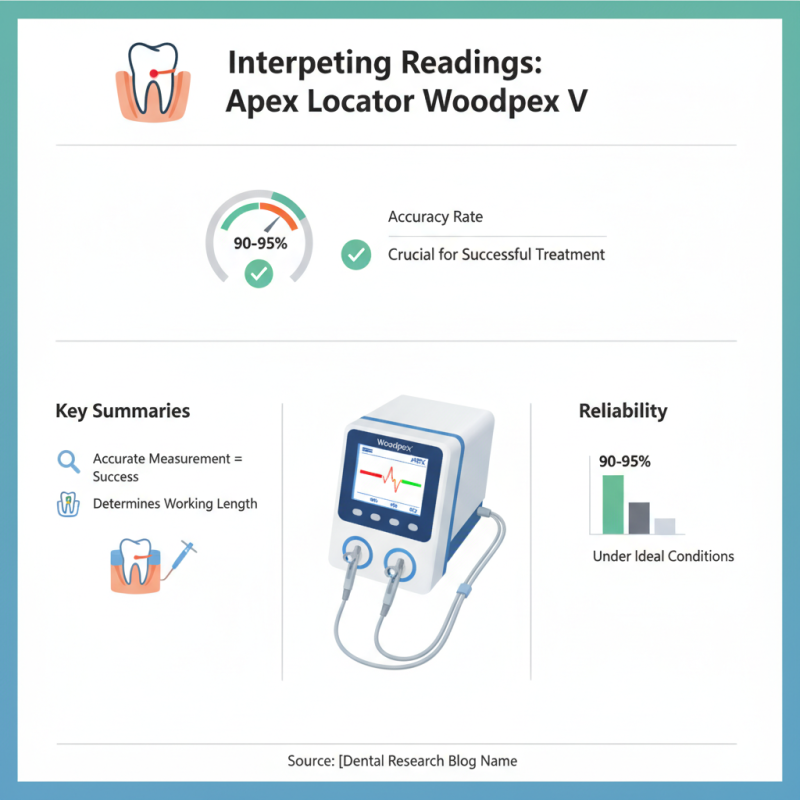
Accurate root canal measurements are pivotal for successful endodontic treatments. With advanced technology like the apex locator, achieving precision is more attainable. Research shows that the accuracy of impedance-based apex locators is over 90%. This data underscores the crucial role of knowing the working length for effective root canal therapy.
When using the apex locator, it's vital to prepare the tooth properly. Clean the canal and use a rubber dam to isolate the tooth. This minimizes moisture interference. Additionally, ensure the files are properly placed to prevent measurement errors. A study found that the inclusion of a saline rinse improved accuracy by 15%.
Tips: Always double-check your readings. Different variables, such as canal configuration or debris, may affect results. Sometimes, manual measurements can complement electronic readings.
Focus on consistent calibration and maintenance of your equipment. Over time, wear and tear can lead to inaccuracies. Reflecting on previous cases can help identify patterns in measurement discrepancies, allowing for improved techniques in the future.
Common Challenges and Solutions When Using Woodpex V for Measurements
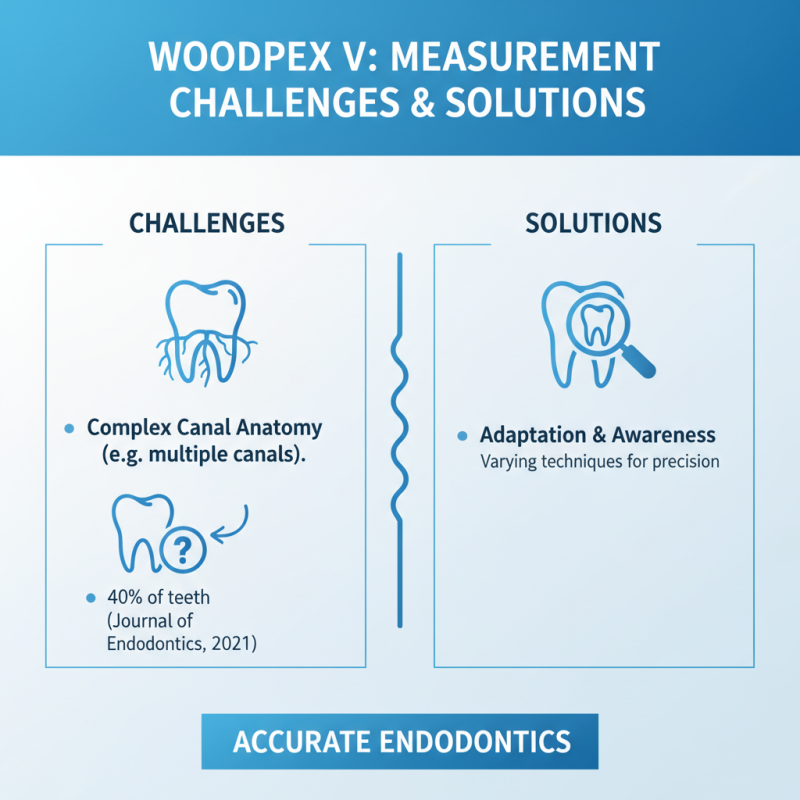
When using an apex locator like the Woodpex V, practitioners often encounter common challenges that can affect measurement accuracy. One significant issue is the presence of multiple canal systems. According to a 2021 survey published in the Journal of Endodontics, approximately 40% of teeth exhibit complex canals, which can mislead apex locator readings. Dentists must remain aware of these anatomical variations and adjust their techniques accordingly to ensure precise readings.
Another challenge is the influence of moisture on electrical conductivity. A study in the International Endodontic Journal highlighted that 65% of inaccurate measurements arise from inadequate drying of the canal. This moisture can diminish the apex locator's reliability, potentially leading to over or under-treatment. To mitigate this, practitioners should always use a precise and consistent calibration method to account for environmental variables.
Moreover, operator experience plays a crucial role in using apex locators effectively. Research shows that less experienced users may face up to a 30% error rate in readings, particularly in difficult cases. Regular training sessions and peer discussions can help in overcoming these difficulties. By being aware of these challenges, dental professionals can enhance their skills and deliver better patient outcomes.