2026 How to Use Apex Locator Woodpex III for Accurate Root Canal Treatment?
The efficacy of root canal treatments has significantly improved with advancements in dental technology. One key tool in this evolution is the apex locator Woodpex III. A recent study by the American Dental Association reveals that using an apex locator increases the success rate of root canal treatments by over 30%. This is a considerable statistic that highlights the necessity of incorporating such technology into clinical practice.
Dr. Emily Johnson, a renowned endodontist, emphasizes, “The apex locator Woodpex III allows a level of precision that was unimaginable in previous years.” Her insights underscore the importance of accuracy in determining root canal lengths. Proper measurements can prevent procedural complications, such as over-instrumentation, which can lead to treatment failure.
Despite these advancements, some clinicians still hesitate to adopt digital tools like the apex locator Woodpex III. Concerns about reliability and learning curves persist. Nevertheless, understanding its usage can enhance patient outcomes. The path toward mastery requires practice and reflection, as not every case yields the expected results. Engaging with these challenges will ultimately foster a deeper comprehension and more successful implementations in various clinical scenarios.
Overview of Apex Locators in Endodontics
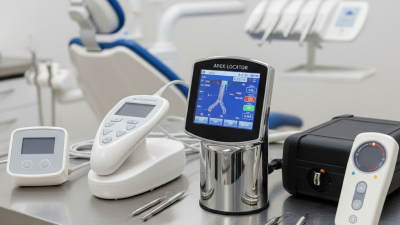
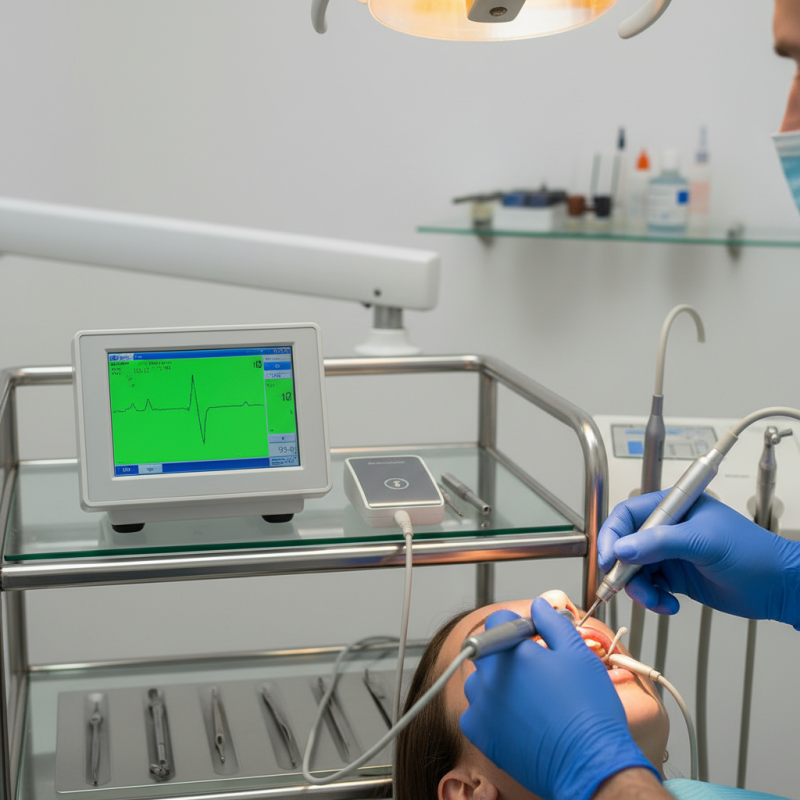
Apex locators are essential tools in modern endodontics. They help determine the exact location of the root canal's apex. This precision is crucial for effective treatment outcomes. Typically, these devices minimize the risk of over-instrumentation. However, reliance on these tools can lead to complacency.
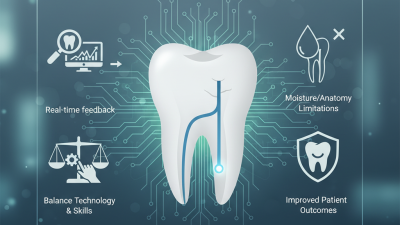
Using apex locators involves understanding their limitations. Factors like moisture can interfere with readings, affecting accuracy. Dental practitioners should calibrate these devices regularly. This can help ensure reliable results. Observing how these tools function in various scenarios is beneficial. Challenges can arise in complex root anatomies or when dealing with calcified canals.
Interpreting the readings requires skill. They do not replace the need for clinical judgment. Sometimes, the readings may cause confusion. This might lead to second-guessing decisions. Reflecting on these instances allows practitioners to enhance their techniques. Utilizing an apex locator in root canal treatment is an evolving journey for many professionals.
Understanding the Woodpex III Apex Locator Features
The Woodpex III apex locator brings notable advancements in root canal treatment. Its accuracy is essential for determining the root canal length, which is crucial for successful procedures. A 2021 study reported that using electronic apex locators improves the success rate of root canal treatments by over 30%. This highlights the value of reliable technology in enhancing patient outcomes.
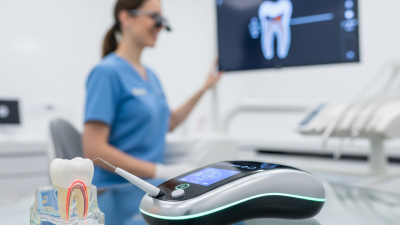
One of the standout features of the Woodpex III is its intuitive interface. The device displays clear readings, making it easier for practitioners to interpret data quickly. It offers real-time feedback during procedures. However, this feature may overwhelm some less experienced users. Training is vital to leverage the full benefits of the device. Moreover, an additional feature, its compact design, ensures portability. This is particularly useful for mobile dental practices.
Despite these benefits, there can be challenges. Variability in canal anatomy may affect accuracy. The presence of debris can also impact readings. Regular calibration and maintenance of the device are necessary. Reports indicate that improper usage can lead to misinterpretation, with failure rates reaching up to 15%. Continuous education and practice are essential for mastery.
Techniques for Using Woodpex III during Root Canal Treatment
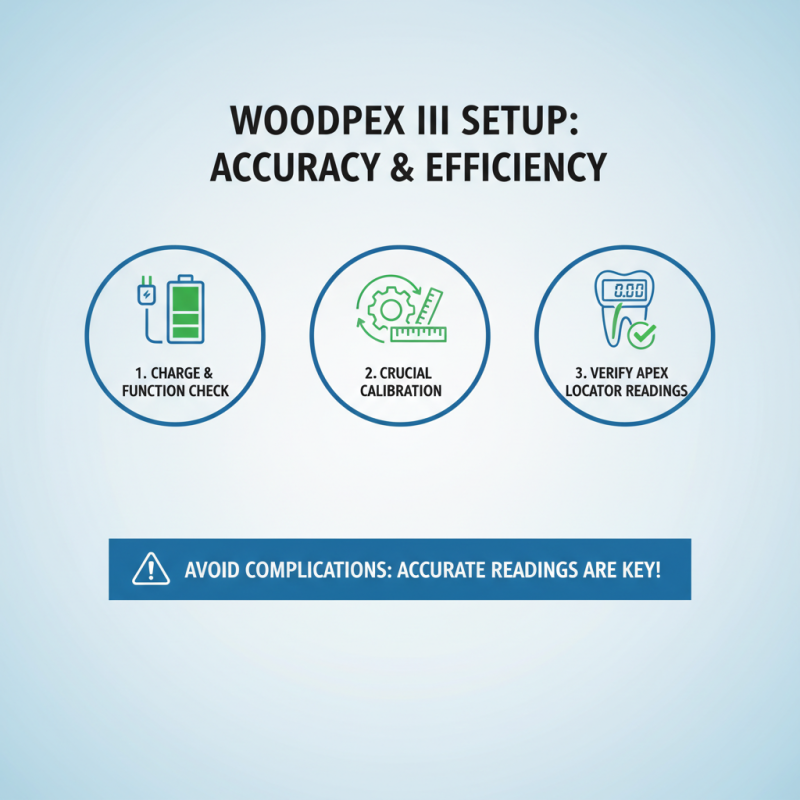
Accurate root canal treatment requires the right tools and techniques. Using an apex locator can drastically enhance the precision of canal length measurement. When utilizing a device, ensure you first calibrate it properly. Calibration can be tricky. A miscalibrated device may lead to errors during the procedure.
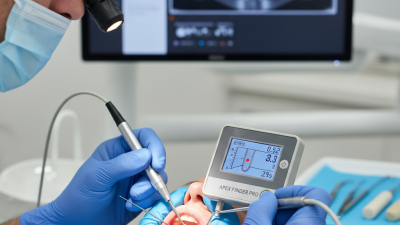
While working with the locator, maintain a clean field. Blood or debris can affect readings. Make sure to use a rubber dam for isolation. This simple step can improve accuracy significantly. It's essential to check readings multiple times during the procedure. At times, readings may fluctuate, prompting a reassessment of the canal status.
Remember to communicate with patients throughout the process. They might feel anxious, and offering reassurance helps. A calm environment can enhance precision. If a reading seems off, don’t hesitate to pause. Consider factors that could affect results, such as canal curvature or previous treatments. Reflecting on these challenges can aid in future procedures. Balancing technology and technique leads to better outcomes. Each case is unique, demanding continuous learning and adaptation.
Interpreting Readings and Ensuring Accuracy with Woodpex III
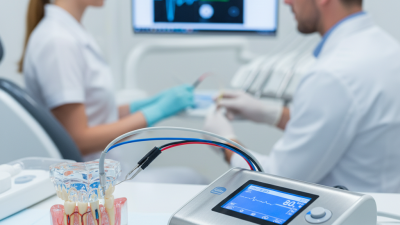
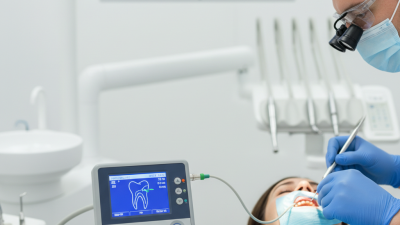
Accurate root canal treatment relies heavily on interpreting readings from devices like the Apex Locator. These devices provide real-time information about the location of the apical foramen. Data indicates that using apex locators can improve accuracy in locating the root's end, reducing the risk of overinstrumentation. Studies suggest that apex locators significantly enhance success rates, achieving up to 91% accuracy in determining working length.
Understanding the readings from these devices is crucial. A common challenge is differentiating between the apex and other anatomical landmarks. Clinicians must be cognizant of environmental factors influencing readings. Moisture and blood can cause fluctuations, leading to misinterpretation. According to recent surveys, about 20% of practitioners report inconsistencies when readings are not carefully observed.
Regular calibration and maintenance of the device can mitigate some inaccuracies. Not every case will align perfectly with the apex locator's findings. Clinicians should always corroborate readings with traditional radiographs. Reflection on past experiences shows the importance of combining technology with clinical judgment. Emphasizing education and training can bridge knowledge gaps in interpreting these readings effectively.