How to Use a Transfer Pipette for Accurate Liquid Measurement?
Using a Transfer Pipette for accurate liquid measurement is essential in various fields. Dr. Emily Carter, a leading expert in laboratory techniques, states, "Precision in measurement is crucial for reliable results." This highlights the importance of understanding how to properly use a transfer pipette.
A transfer pipette enables users to measure and transfer liquids with high accuracy. These tools are common in laboratories, schools, and research settings. With precise control, they minimize errors in experiments. However, many users still struggle with techniques.
To truly master the transfer pipette, one must practice proper use. Common mistakes include not pre-wetting the pipette or using incorrect suction techniques. Each error can lead to significant inaccuracies. Therefore, reflecting on one’s methods is vital. Recognizing these pitfalls is the first step toward improving liquid measurement skills. Understanding the nuances of using a transfer pipette can enhance both precision and reliability in results.
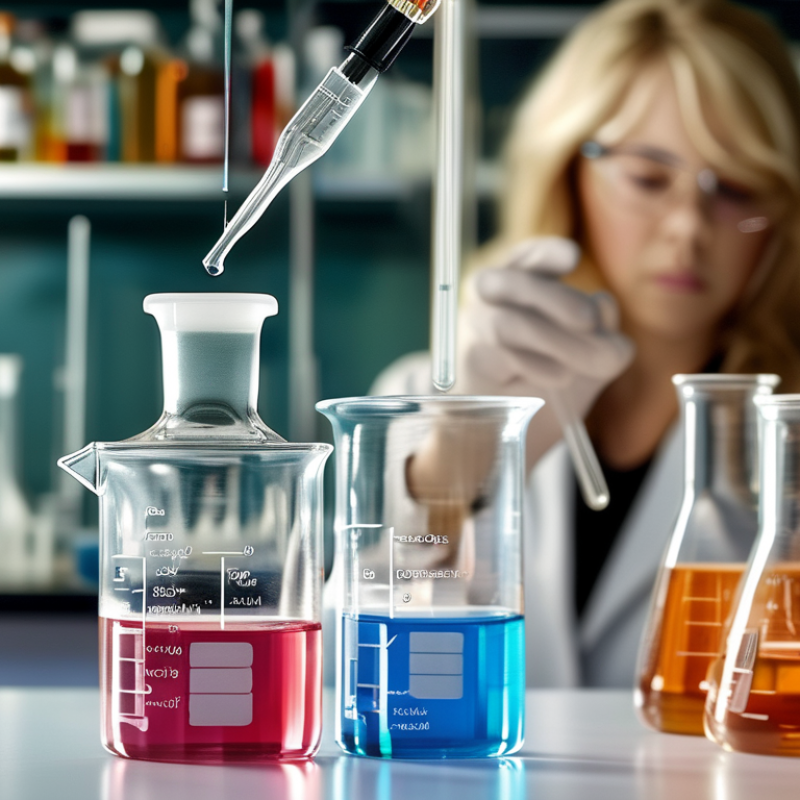
Choosing the Right Transfer Pipette for Your Needs
When selecting a transfer pipette,consider your specific needs. Different types of pipettes serve various purposes and liquids. Graduated Pipettes allow for versatile measurements. In contrast, single-channel pipettes offer higher precision for smaller volumes.An industry report indicated that 68% of laboratory professionals preferred graduated pipettes for routine tasks. Their ease of use enhances accuracy.
Material choices also influence performance. Plastic pipettes are lightweight and ideal for single-use situations. Glass pipettes, while more robust, require careful handling. They provide higher temperature resistance and chemical compatibility. According to research, 75% of laboratories using glass report fewer contamination issues. However, they may require more cleaning, which can be time-consuming.
Consider the liquid type you're working with. Viscous liquids need pipettes with wider openings. Choosing one that suits your needs is crucial. Inefficient tools can lead to measurement inaccuracies. It’s vital to reflect on your existing choices. Sometimes, reassessing your pipette inventory can unveil surprising insights into operational efficiency.
Preparing the Transfer Pipette for Accurate Measurements
Preparing a transfer pipette for accurate measurements is crucial in achieving reliable results. Start by ensuring the pipette is clean and free of residues. Rinse it with the liquid to be measured. This step helps to create a consistent internal environment. Pour a small amount of the liquid into a clean container, allowing you to avoid contamination during the measuring process.
Before using the pipette, familiarize yourself with its design. Examine the opening and bulb closely. It’s essential to create a proper seal when drawing liquid. A tight grip ensures the liquid ascends smoothly without air bubbles. Small bubbles can lead to inaccuracies in measurement. Also, hold the pipette vertically while filling it. This minimizes the risk of error.
Calibrate your measurements by practicing with water. While it may seem simple, even experienced users can struggle initially. It’s common to miscalibrate or misjudge volumes. Take your time and focus on precision. Each use of the transfer pipette should enhance your skills. Regular practice will help in refining your technique and improving accuracy in liquid measurement.
Techniques for Using a Transfer Pipette Effectively
Using a transfer pipette is an art that requires skill and precision. A steady hand is essential. Begin by holding the pipette gently between your thumb and forefinger. This grip allows for better control. Aim for a consistent angle while drawing up liquids. Tilt the pipette slightly, around 30 degrees. This can help you avoid air bubbles, which can skew measurements.
When measuring liquids, the technique matters. Submerge the tip of the pipette just below the surface of the liquid. Draw back the bulb slowly and steadily. If you pull too quickly, you may draw in more liquid than intended. Use your eyes to level the liquid against the measurement markings on the pipette. Sometimes, it’s easy to misread these lines, so take a moment to ensure accuracy.
Cleaning the pipette is just as crucial for effective use. Rinse it with the liquid that will be measured. Residue from previous substances can cause contamination. Check the pipette for cracks or clogs, as they can lead to unreliable results. A damaged pipette is often overlooked but can significantly affect measurements, leading to potential errors in experiments. Practice regularly to build more confidence and improve accuracy.
Maintaining and Cleaning Transfer Pipettes for Longevity
Cleaning and maintaining transfer pipettes is essential for accuracy and longevity. A well-maintained pipette ensures reliable measurements every time you conduct experiments. Start with rinsing the pipette with distilled water after each use. This simple step prevents residue buildup. Avoid using aggressive solvents, as they can damage the material. When necessary, use mild detergents for better results.
Storing transfer pipettes properly is equally important. Place them in a vertical position to avoid tip damage. A protective casing can also extend their lifespan. Regularly check for wear and tear. Even small cracks can impact performance. Paying attention to these details may feel tedious but prevents costly mistakes in the long run.
It's also wise to establish a cleaning schedule. Regular maintenance promotes hygiene and ensures consistency in results. Remember, a neglected pipette might not show issues immediately. However, over time, it can lead to inaccurate liquid measurements. Reflection on your routine may highlight areas for improvement. Avoiding shortcuts will enhance your experience with pipettes in the lab.
Common Mistakes to Avoid When Using Transfer Pipettes
Using a transfer pipette can be tricky. One common mistake is not pre-wetting the pipette tip. This can lead to inaccurate measurements. When you draw liquid into the pipette, the inner walls may absorb some of the liquid. Pre-wetting helps minimize this error, ensuring more reliable results.
Another mistake is improper technique when aspirating or dispensing liquid. Many users do not pause after drawing up liquid. This pause is essential for the liquid to settle completely in the tip. Failing to do this can cause the liquid to drip, leading to discrepancies. It's crucial to hold the pipette vertically and avoid angling it during this process.
Additionally, some may overlook the importance of maintaining consistent pressure on the bulb or push-button. Inconsistent pressure can lead to unequal volumes. Users should practice even pressure for the best accuracy. Reflecting on these practices can refine your technique and enhance your measurement skills significantly.
How to Use a Transfer Pipette for Accurate Liquid Measurement? - Common Mistakes to Avoid When Using Transfer Pipettes
| Step | Best Practices | Common Mistakes | Tips for Accuracy |
| 1 | Use a pipette bulb for suction. | Using mouth suction. | Always use a pipette bulb to ensure safety. |
| 2 | Immerse the tip in liquid moderately. | Immersing too deep or too shallow. | Keep the tip submerged at the correct depth. |
| 3 | Release liquid slowly. | Forcing liquid out quickly. | Control the flow for better precision. |
| 4 | Check calibration regularly. | Using an uncalibrated pipette. | Ensure calibration is up-to-date for accuracy. |
| 5 | Clean the pipette after each use. | Neglecting cleaning procedures. | Regular cleaning prevents contamination. |
