
What Are the Top Types of Beet Root Juice Powder?

Beet Root Juice Powder has become a practical choice for smoothies, sports drinks, and everyday nutrition. It offers beetroot’s earthy flavor in a concentrated, shelf-stable form. However, not every powder delivers the same experience or nutritional profile. Processing methods, beet varieties, growing conditions, and storage can all influence the final product.

The top types usually include natural beet juice powder, nitrate-standardized powder, organic powder, fermented powder, and blends with added ingredients. Natural versions may provide a fuller beet flavor and deeper color. Nitrate-standardized products focus on consistent nitrate levels, which can matter to athletes and carefully planned diets. Organic options emphasize certified farming practices. Fermented varieties may taste less earthy, although their benefits should not be assumed without reliable testing. The categories are not always neat.

A thoughtful comparison should examine ingredient transparency, laboratory testing, origin, drying method, and serving information. Look for products that clearly state whether they use beet juice or whole beet powder. That distinction can be easy to miss. A reputable manufacturer should explain its quality controls and avoid exaggerated promises. In practical use, solubility matters too. Some powders dissolve smoothly in cold water, while others settle like fine red sand at the bottom of a glass. Taste remains personal, and even a well-tested product may not suit everyone. This guide explores the leading types of Beet Root Juice Powder and explains where each option may fit best. It also considers limitations, because product labels rarely tell the entire story.
What Are the Top Types of Beet Root Juice Powder?

Beetroot Juice Powder Basics: Nitrate Levels Commonly Reach 2–8%

Beetroot juice powder is available in several useful forms. Plain juice powder is the most straightforward choice. It usually contains beet solids, natural sugars, and water-soluble compounds. Concentrated powder uses less material for a stronger serving. Freeze-dried powder may preserve a fresher color and sharper earthy taste, while spray-dried powder often dissolves more easily.

Nitrate deserves closer attention. Beetroot juice powder commonly reaches nitrate levels of about 2–8%, but this range is not universal. Results can change with beet variety, harvest conditions, extraction, and drying temperature. A reliable product should state nitrate content clearly and provide batch testing details. Check whether the percentage refers to nitrate itself or the full powder weight. Those numbers are easy to misunderstand. Nitrate is also different from nitrite.

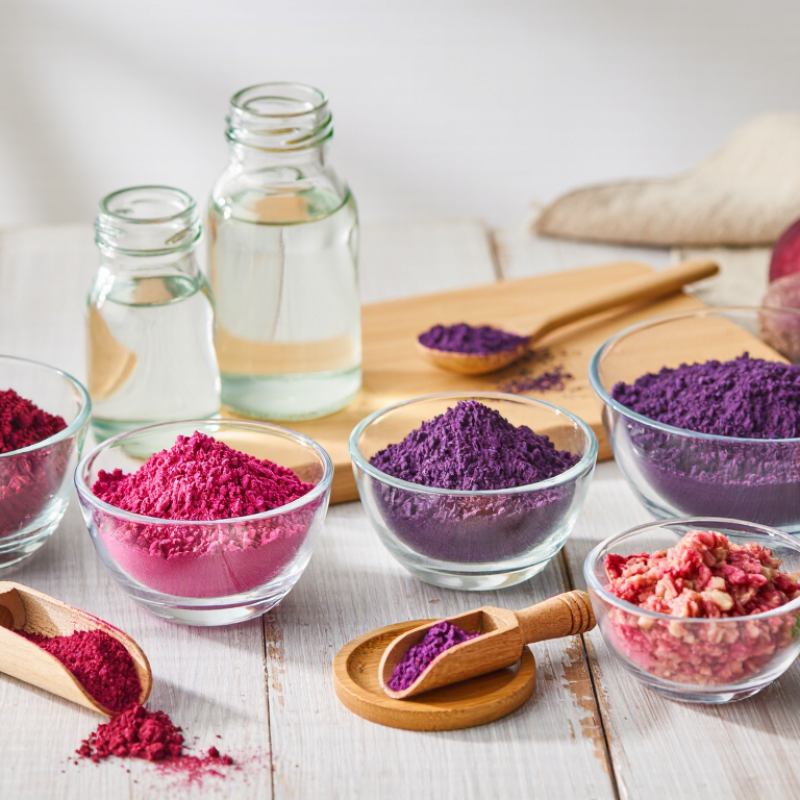
In a glass, concentrated powder may produce a deep ruby color and a dry, earthy aroma. Some powders leave fine sediment at the bottom, especially when mixed with cold water. Stirring twice helps, though it does not always create a smooth drink. I would compare the serving size with the nitrate amount, rather than judging quality by color alone. A bright red powder can still have modest nitrate content. Testing matters more than appearance.

Storage deserves attention too. Moisture can cause clumping and weaken the powder’s texture. Keep the container sealed and use a dry spoon. My own preference would be a clearly tested powder with a transparent nitrate figure, even if its flavor is less pleasant. Expect variation.

What Are the Top Types of Beet Root Juice Powder?

Beetroot Juice Powder Basics: Nitrate Levels Commonly Reach 2–8%

Beetroot juice powder is commonly discussed in relation to its naturally occurring nitrate content. A general reference range is approximately 2% to 8% by weight, although actual levels can vary according to beet variety, cultivation conditions, processing, concentration, storage, and laboratory testing methods. The 5% value represents a midpoint reference rather than a universal average.

How Spray-Dried Beetroot Powder Compares with Freeze-Dried Powder

Beetroot juice powder is commonly made through spray drying or freeze drying, and each method creates a different ingredient profile. Spray-dried beetroot powder begins as concentrated juice. Fine droplets pass through warm air, forming a smooth, easy-flowing powder within seconds. The result usually mixes quickly in water and suits drink blends, sachets, and bakery applications. It also tends to cost less at larger production volumes.

Freeze-dried powder follows a slower process. Beetroot juice is frozen, then placed under reduced pressure to remove ice as vapor. This gentler approach can preserve a brighter color, fresher aroma, and more delicate flavor. The powder may feel lighter and more porous between the fingers. It often dissolves well, but some products can absorb moisture quickly after opening. A dry spoon and tightly sealed pouch matter.

In practical product testing, spray-dried powder often performs better for consistent texture and everyday handling. Freeze-dried powder may appeal when sensory quality is the main concern. Neither method guarantees superior nutritional value. Heat exposure, oxygen, storage time, and carrier ingredients can change the final result. I would check the processing details, moisture level, solubility, and independent quality documentation before choosing. No method is perfect. Even freeze drying can lose quality through poor storage, while well-made spray-dried powder can remain vivid and reliable. The best choice depends on the recipe, equipment, budget, and desired beetroot character.

What Are the Top Types of Beet Root Juice Powder? — How Spray-Dried Beetroot Powder Compares with Freeze-Dried Powder
Comparison Dimension Spray-Dried Beetroot Juice Powder Freeze-Dried Beetroot Juice Powder Drum-Dried Beetroot Powder
How It Is Made Beet juice or concentrate is atomized into droplets and dried rapidly in a stream of hot air. Juice or prepared beet material is frozen, then dried under vacuum as ice changes directly to vapor. Beet material is spread in a thin layer over heated rotating drums and dried before being scraped off.
Heat Exposure Uses hot drying air, but droplets spend a short time in the dryer. Actual product temperature and exposure vary by process settings. Generally uses low product temperatures during the main drying stage; freezing and vacuum drying take longer. Direct contact with heated drum surfaces can create greater heat exposure than freeze-drying.
Common Formulation Considerations Carriers such as maltodextrin may be added to help dry juice and reduce stickiness; use depends on the product formulation. Can be made with or without carriers, depending on the material and manufacturer’s process. May be produced from beet juice, pulp, or purée; composition depends on the starting material and recipe.
Powder Characteristics Often a free-flowing powder, especially when an appropriate carrier and drying conditions are used. Often porous and readily rehydratable; texture and flow depend on grinding, packaging, and formulation. May form flakes or a dense powder after milling; particle size and flow vary with processing.
Color and Flavor Typically has a red-to-purple beet color. Color and flavor can be influenced by heat, oxygen, and any carrier used. Can retain a bright beet color and characteristic flavor, though results depend on raw material and storage. Color and flavor may be affected by heat exposure; outcomes vary with the drying conditions and beet material.
Nutrient and Pigment Retention Retention varies by formulation and process settings. Heat-sensitive compounds, including betalain pigments, can degrade during processing or storage. Low-temperature processing can help limit heat-related changes, but it does not guarantee higher retention of every nutrient or pigment. Retention depends on drum temperature, drying time, and the compounds being measured.
Typical Production Trade-Off Efficient for large-scale production and often selected when a consistent, dispersible powder is needed. Usually more time- and energy-intensive, which can make production more costly. Can be a practical drying option for suitable beet materials, though the resulting powder may differ in texture and rehydration behavior.
Potential Applications Dry beverage mixes, food ingredients, and products where convenient powder handling is important. Premium powders and applications where porous structure or low-temperature processing is preferred. Food formulations that can accommodate a milled, heat-dried beet ingredient.
What to Check on a Product Specification Beet content, carrier ingredients, moisture, particle size, color, and intended use. Whether the powder is juice-based or whole-beet-based, plus ingredients, moisture, and storage guidance. Starting material, ingredient list, particle size, moisture, and any processing or formulation details.
Comparisons are general process-level guidance. Composition, color, solubility, nutrient content, and performance vary by raw material, formulation, processing conditions, and storage; consult the product specification for exact values.

Nitrate-Standardized Beetroot Powder: Typical 1–2% Nitrate Content

What Are the Top Types of Beet Root Juice Powder?

Beetroot powders differ mainly in processing, concentration, and nitrate consistency. Basic beet powder is made from dried whole roots. It usually retains beet color, earthy flavor, natural sugars, and variable nitrate levels.

Juice powder removes much of the root’s fiber before drying. This creates a lighter powder that mixes more smoothly in water.

Nitrate-standardized beetroot powder focuses on measurable nitrate content. A typical product may contain about 1–2% nitrate by weight. That means one gram could provide roughly 10–20 milligrams of nitrate, depending on the tested batch. The number matters because natural nitrate levels can change with soil, harvest timing, storage, and processing. It does not guarantee a specific result for every person.

Look for a certificate of analysis.

A reliable specification should state nitrate content per serving, testing methods, moisture levels, and batch details. Independent laboratory testing adds useful confidence, although no document removes every uncertainty. I would also check whether the powder contains added carriers, sweeteners, or unnecessary coloring agents.

Some products look intensely red but provide limited nitrate. Color is not proof of potency.

Taste can help too; a strong earthy note is common, but flavor alone cannot verify quality.

Storage deserves attention, since heat and humidity may affect texture and freshness. Even careful labeling can be imperfect, so comparing the declared nitrate amount with laboratory evidence remains a practical step.

Organic Beetroot Juice Powder: Certification and Purity Requirements

What Are the Top Types of Beet Root Juice Powder?

Organic beetroot juice powder is usually made by drying filtered beet juice, while conventional powder may follow similar processing without organic certification. Some products are concentrated extracts, not simple juice powders. That difference affects flavor, color, nitrate levels, and labeling. Purity is not a color test. A bright red powder can still require careful testing.

For organic certification, buyers should check a current certificate from an authorized certification body. The certificate should match the supplier, facility, product scope, and production year. Organic status may differ between countries, so one certificate does not automatically satisfy every market. Reliable suppliers also provide batch-specific certificates of analysis. These documents should identify moisture, microbiological results, heavy metals, pesticide residues, and product identity. Traceability matters. A batch number should connect the powder to raw beet records and processing details.

In practical quality checks, I look for a clean, earthy aroma and a fine, evenly colored powder. Clumping may suggest moisture exposure, although it does not prove contamination. Testing is essential. Storage records should show protection from heat, light, and humidity. The packaging should be sealed and food-grade. I would not accept vague claims such as “pure” or “chemical-free” without measurable standards. Those phrases sound reassuring, but they can hide gaps. Even experienced buyers can overvalue appearance. Laboratory evidence remains more dependable than color, taste, or marketing language.

Choosing Top Beetroot Powder Types by Nitrate, Solubility, and Use

Choosing a beetroot powder starts with nitrate content, not a bright red color. Whole-root powder contains fiber, natural sugars, pigments, and minerals, but nitrate levels can vary by harvest and processing. For more predictable intake, choose a powder with a recent certificate of analysis showing nitrate per serving. Independent laboratory testing adds useful evidence, although even testing cannot remove every source of variation.

Solubility matters when the powder goes into cold water. Fine, instantized powders usually disperse faster, while whole-root powders may leave sediment at the bottom of a glass. Stirring for 20 seconds helps. Warm liquids can improve mixing, but excessive heat may affect color and flavor. A smooth drink is convenient; it does not automatically mean higher quality. I once judged a powder by texture alone. That was a poor shortcut.

Use should guide the type you buy. A whole-root powder suits smoothies, yogurt, and baking, where some grit is acceptable. A nitrate-focused powder may fit carefully measured pre-exercise routines, provided the label states the nitrate amount clearly. Extracts can be more concentrated, but they may provide less of the root’s natural fiber and require closer serving control. Check moisture, additives, allergen statements, and batch dates. People using blood-pressure medicine or managing kidney conditions should discuss regular use with a qualified healthcare professional. Nutrient claims deserve caution. Convenience, solubility, and measurable nitrate content rarely peak in the same product.

Leading and shaping the future of endodontics globally is our life’s work.