Top Tips on Using a C Root Apex Locator Effectively

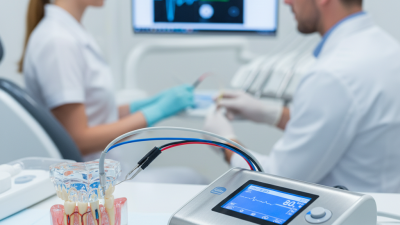
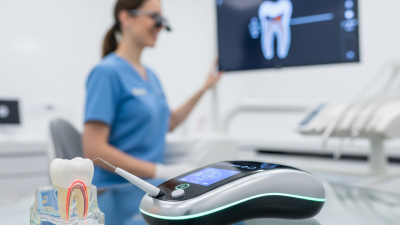
The effective use of a C root apex locator can significantly enhance the efficiency of endodontic procedures. Studies reveal that over 70% of endodontists now utilize electronic apex locators to improve accuracy. This tool minimizes the risk of over-instrumentation, a common concern during root canal treatments. Each year, millions of patients receive treatments in which precise measurements are essential for successful outcomes.

The reliability of a C root apex locator stems from its ability to provide real-time feedback, helping practitioners make informed decisions. However, many dentists still face challenges. Misunderstandings about calibration can lead to errors. Additionally, the device can sometimes misinterpret data in cases of necrotic pulp or unusual tooth anatomy. Awareness of these pitfalls can lead to more careful usage and better patient outcomes.

Overall, mastering the use of a C root apex locator requires practice and understanding. Even experienced clinicians may overlook maintenance or proper usage protocols. Continuous education and feedback loops can strengthen overall performance and enhance patient care. The investment in this technology is worthwhile, but reflection on its proper implementation is crucial.
Top Tips on Using a C Root Apex Locator Effectively

Understanding the Functionality of a C Root Apex Locator

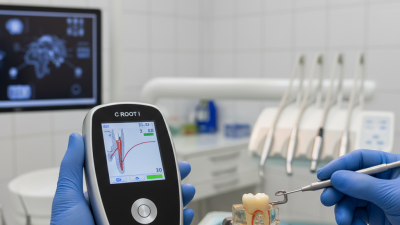
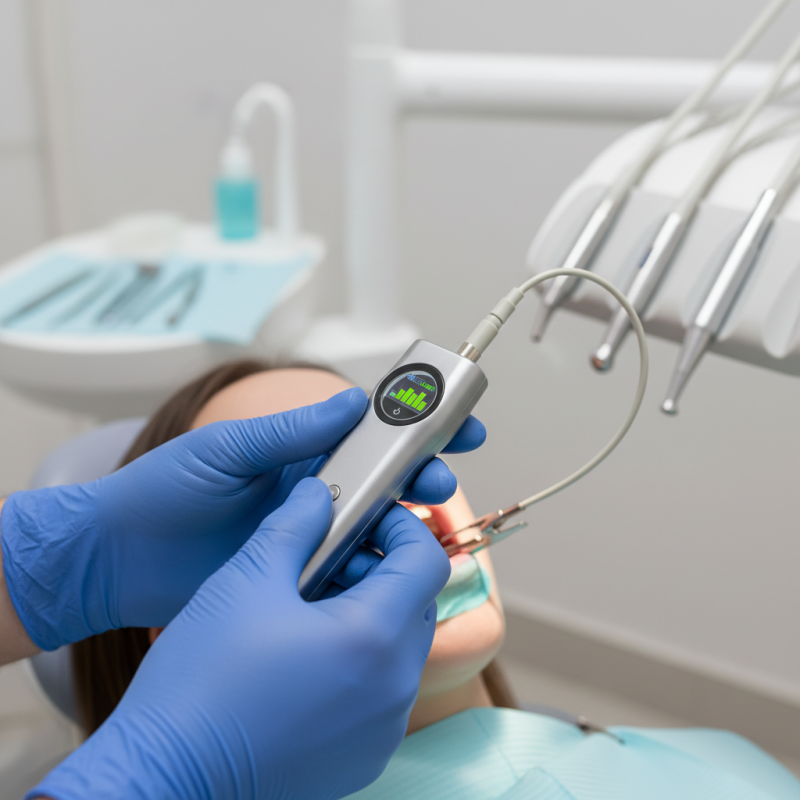
A C Root Apex Locator is essential in modern endodontics. Understanding its functionality can greatly enhance your root canal procedures. This device determines the exact position of the apex in real-time. It works by measuring the electrical resistance and impedance of the canal. Knowing how it functions helps in making informed decisions during treatment.

When using a C Root Apex Locator, proper placement is crucial. Ensure that the canals are clean before inserting the file. This can affect the accuracy of readings. Another important tip is to always check the device's calibration before use. A malfunctioning device may lead to misinterpretation of readings, causing unnecessary complications.

Keep in mind that experiencing errors is common. Sometimes, a situation can arise where readings are unclear. In such cases, reflect on the factors that might have influenced them. Was the canal dry? Were there obstructions? This self-assessment can significantly improve the outcomes in future treatments. Achieving mastery with this tool takes time and practice. Be patient and adjust your techniques as needed.
Preparing for Effective Use of a C Root Apex Locator

Preparing to use a C Root Apex Locator effectively involves several crucial steps. Firstly, ensure that the device is calibrated properly. This is essential for accurate measurements. A miscalibrated locator might lead to incorrect readings. Take the time to read the manual. It provides useful insights on settings and adjustments.

Consider the environment in which you'll use the locator. Poor lighting can affect visibility and interpretation of measurements. Keep the workspace tidy to avoid distractions. It’s vital to have all necessary tools within reach. This minimizes downtime during the procedure.

Additionally, practice is key. Familiarize yourself with the device before using it on patients. An inexperienced operator can encounter problems. Mistakes often occur in high-pressure situations. Reflect on past experiences to improve future use. Learning from errors is a valuable part of mastering the process.

Effectiveness of C Root Apex Locator Usage

Step-by-Step Guide to Calibrating Your C Root Apex Locator

Top Tips on Using a C Root Apex Locator Effectively

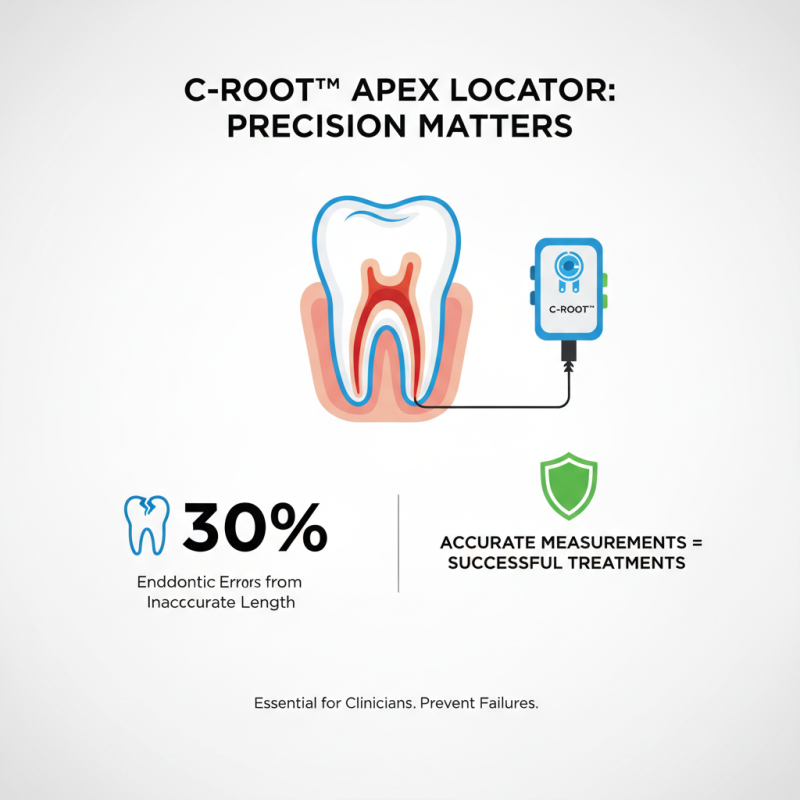
Calibrating a C Root Apex Locator is essential for accurate measurements. It helps clinicians determine the working length of root canals. Studies show improper calibration can lead to treatment failures. Research indicates up to 30% of endodontic errors stem from inaccurate length determination.

Begin with a thorough cleaning of the device. Ensure there’s no moisture on the contacts. This simple step prevents false readings. Next, connect the locator to a clean, dry tooth. Use saline or a similar conductor to enhance accuracy. Many clinicians miss this vital step and later face complications.

During the procedure, observe the readings closely. If the locator fluctuates wildly, recheck the calibration. A steady reading is crucial for maintaining precision. Inconsistent results can lead to overdentistry or under-dentistry. Consider keeping a log of calibration results. This can help track performance over time and identify patterns. Mistakes happen. Reflecting on them improves future calibrations.

Best Practices for Interpreting Readings from the Apex Locator

Interpreting readings from a C root apex locator can be challenging yet rewarding. Understanding the data enhances treatment outcomes. A study found that accurate apex location increases success rates by 20%. It emphasizes the need for careful reading and analysis.

To begin, ensure the device is calibrated correctly before each use. Regular calibration can minimize errors, but it doesn’t eliminate them entirely. You may notice variations in readings based on different canal conditions. Don’t dismiss unexpected data; explore reasons for discrepancies.

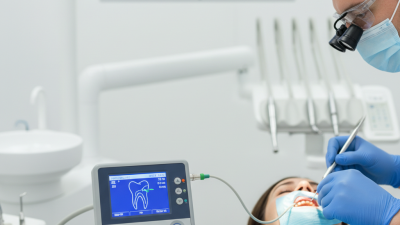
Pay attention to the waveform displayed on the apex locator. A consistent waveform indicates reliability in readings. Inconsistent patterns might suggest issues such as poor contact or canal curvature. It's vital to note such anomalies during procedures. Also, be mindful of patient factors, such as moisture levels, which can affect readings.

Remember, practice makes perfect. Using the locator extensively can enhance your interpretative skills. Mistakes are part of the learning curve. Reflect on each case, and improve your technique with every use. Embrace the process of learning through challenges.

Maintenance Tips to Ensure Longevity of Your C Root Apex Locator

Top Tips on Using a C Root Apex Locator Effectively

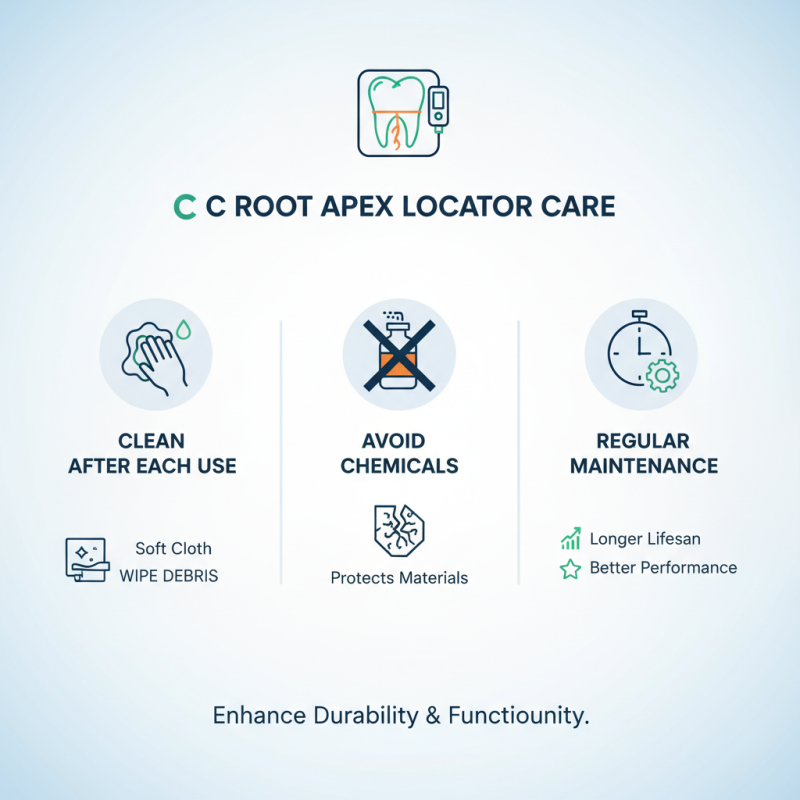
Taking care of your C root apex locator ensures it lasts longer and performs better. It's essential to regularly clean the device after each use. Use a soft cloth to wipe off any debris. Avoid using harsh chemicals that can damage the materials. Frequent cleaning not only maintains its appearance but also its functionality.

Battery life is another critical aspect. Monitor the battery status regularly. Change the batteries before they completely drain. A dead battery can lead to inaccurate readings. Always have spare batteries on hand to avoid interruptions during procedures.

Inspect the cords and connections frequently. Look for any signs of wear or damage. Replace them if necessary to maintain the effectiveness of the locator. A broken connection can result in unreliable readings, which can be frustrating. Regular maintenance helps you avoid these common pitfalls. Remember, consistent care leads to improved longevity and reliability.

Leading and shaping the future of endodontics globally is our life’s work.