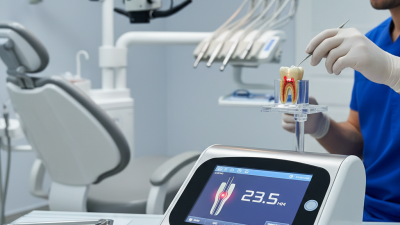
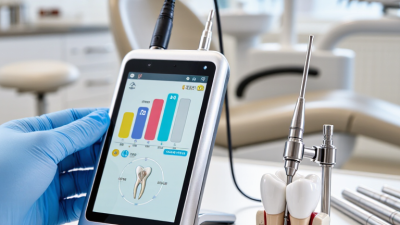
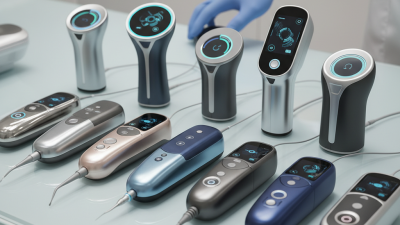
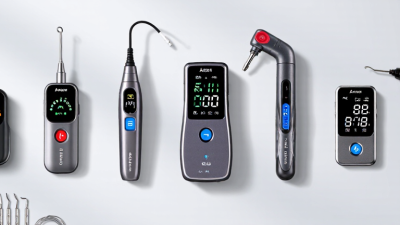
Buying a dentaport zx apex locator requires more than comparing prices and screen designs. The device must fit your clinical routine, canal anatomy, and working environment. A reliable choice should provide stable readings, clear visual guidance, and consistent performance around irrigants. It should also include practical support, calibration guidance, and accessible replacement accessories.
Endodontist Dr. Stephen Buchanan offers a useful principle: “An apex locator is an aid to treatment, not a replacement for diagnosis.” That reminder matters when evaluating the dentaport zx apex locator. Electronic readings should be checked against radiographs, tactile feedback, and the patient’s clinical findings. No device removes professional responsibility.
Look closely at accuracy claims. Ask whether testing involved curved canals, moisture, and different file sizes. Examine the display from the operator’s position. Can you read it through protective eyewear? Test the clips and cables. Small details often become daily frustrations.
Do not ignore training.
A lower price may appear attractive, yet poor usability can waste appointment time. Warranty terms also deserve careful attention. Some buyers focus on advanced features and overlook service response. That is an easy mistake.
This guide presents five practical tips for assessing a dentaport zx apex locator. It considers measurement reliability, handling, compatibility, maintenance, and long-term value. The recommendations are not absolute. Clinicians work differently, and difficult canals can challenge even good equipment. Use the advice as a structured starting point, then confirm decisions with manufacturer documentation and your own clinical experience.
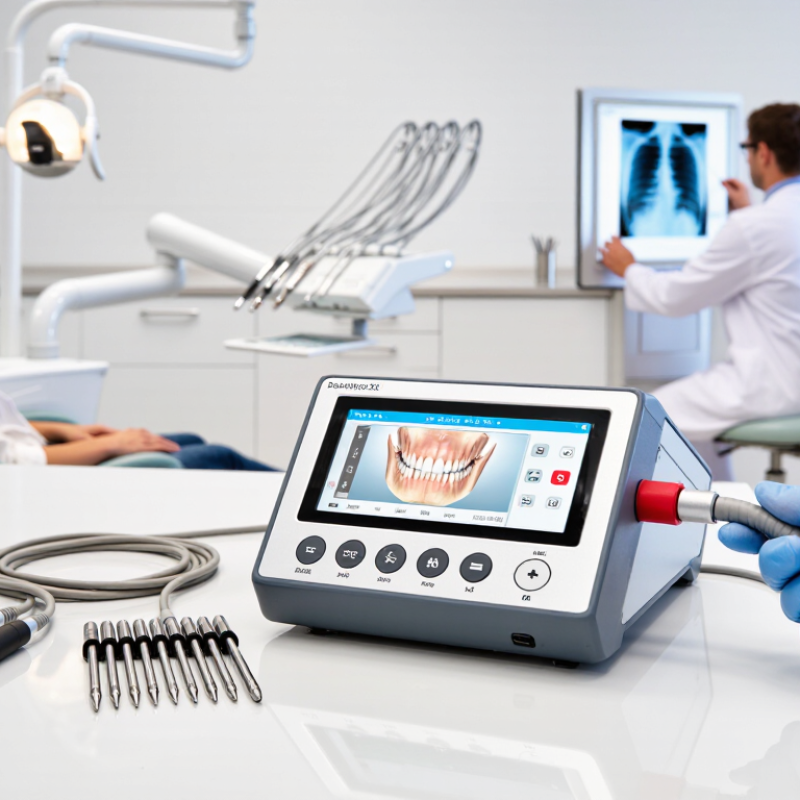
Consider your typical canals, retreatment cases, moisture levels, and access limitations. A general dental practice may need simple, repeatable measurements. An endodontic clinic may require stronger performance in curved, narrow, or partially calcified canals. Check the device’s measurement method, display readability, file compatibility, and performance under realistic canal conditions. Test it with your usual instruments, not only demonstration files.
Include the purchase price, accessories, batteries, calibration needs, servicing, and staff training. A lower initial cost may become expensive if readings are inconsistent or replacement parts are difficult to obtain. Ask for documented accuracy data and independent clinical evidence. Do not rely on marketing claims alone. Small details matter, such as a stable clip, clear audio signals, and a screen visible through protective eyewear.
If several clinicians share the unit, choose controls that reduce learning errors. If the device is used only occasionally, avoid paying for features that will remain untouched. A common mistake is overestimating advanced functions while underestimating maintenance time. I would also leave room for unexpected costs. My first budget draft once ignored staff training, which made the purchase look cheaper than it really was. Discuss the decision with experienced colleagues and review current clinical guidance before ordering.
Buying an apex locator requires more than comparing screen size or advertised accuracy. In clinical use, I check whether the device detects the apical position consistently in wet canals. A clear color display helps when visibility is limited. Audible signals are useful when my eyes stay on the access cavity. Look for adjustable volume, stable readings, and simple controls.
Accuracy deserves independent verification. Review technical data, clinical studies, and user reports from qualified dental professionals. Test readings with different file sizes and canal conditions when possible. Saline, blood, and narrow canals may influence measurements. A reliable unit should guide working-length decisions, not replace radiographs or professional judgment. Readings can drift.
Compatibility is easy to overlook. Confirm which hand files, clips, lip hooks, and measurement cables are included. Check whether replacement accessories remain available in your region. If the locator connects with an endodontic motor, verify the connector and communication functions. Some systems appear compatible but require specific accessories. That small detail can delay treatment.
Inspect battery type, charging time, cleaning instructions, and moisture resistance before purchasing. Ask whether calibration is automatic and whether the manufacturer provides service documentation. I would also compare the warranty with expected clinic use. My own mistake was focusing on accuracy claims while ignoring accessory costs. A careful trial period may reveal awkward buttons, weak audio, or readings that are difficult to interpret.
Tip 1: Compare the complete cost, not only the listing price. A new apex locator usually offers clean accessories, current software, and a full manufacturer warranty. It also reduces uncertainty during setup. Check the package carefully. Does it include the measuring cable, lip clips, file clips, charger, and instructions? Missing small parts can delay clinical use.
Tip 2: Refurbished equipment can provide strong value when a qualified technician has inspected it. Ask for the inspection date, replaced components, calibration method, and remaining warranty. I would also request clear photos of the display, connectors, and probe leads. A polished case means little if the cable connection is unstable. My earlier assumption was wrong: refurbished does not always mean heavily worn.
Tip 3: Used units need the most careful evaluation. Ask how often the device was used and whether it was stored in a dry cabinet. Test it with a simulator or a known working tooth model before payment. Watch for a flickering screen, delayed readings, corroded contacts, or a weak battery. These details matter.
Price is only one factor.
For all three options, confirm return conditions and technical support. Keep the serial number and purchase records. A low-cost used unit may become expensive after replacement probes, shipping, and troubleshooting. I have seen buyers overlook battery age. That mistake is easy to repeat. Compare practical reliability, not just appearance.
5 Tips for Buying an Apex Locator
A reliable purchase starts with warranty terms, not the advertised price. Check coverage length, included components, and exclusions for probes, cables, and displays. Ask whether calibration support is included. Ask for details. A clear warranty should explain repair times, replacement procedures, and shipping responsibilities. Vague wording can become expensive during a busy clinical week.
Service quality also deserves practical testing. Confirm whether trained technicians handle repairs and whether support is available in your region. Request an estimated turnaround time for common faults. Keep records. Accessories should match daily workflow, including file clips, lip hooks, charging equipment, and compatible replacement leads. Examine connector quality and sterilization guidance carefully. Some low-cost accessories appear convenient but may wear quickly. That matters. A slightly higher initial cost may reduce interruptions, although this is not guaranteed.
Supplier reputation requires more than reading star ratings. Look for verifiable customer feedback, transparent business information, and consistent technical documentation. A dependable supplier should provide manuals, safety guidance, and product specifications before purchase. Ask how returns, training, and unavailable parts are managed. Contacting two or three clinics can reveal details that sales pages omit. One weakness remains: online reviews may be incomplete or biased. Therefore, compare evidence instead of trusting a single testimonial. Choose a supplier that answers precise questions without pressure. Reliable communication is part of the product.
| Tip | Evaluation Dimension | What to Verify Before Purchase | Practical Benchmark | Evidence to Request | Potential Warning Sign |
|---|---|---|---|---|---|
| 1 | Check the Warranty | Confirm the warranty period, covered components, labor coverage, shipping responsibility, exclusions, and the process for handling defects. | Prefer clearly documented coverage of at least 12 months for the main unit, with repair or replacement terms stated in writing. | Warranty certificate, purchase invoice requirements, return policy, and written confirmation of who pays for two-way shipping. | Only a verbal promise, unclear exclusions, or coverage limited to selected accessories without explaining the main unit. |
| 2 | Evaluate Technical Service | Ask how calibration, troubleshooting, repairs, software issues, and loaner or replacement arrangements are handled. | A qualified service channel should provide documented troubleshooting guidance and a defined response timeline, preferably within 1–3 business days. | Service contact details, repair procedure, estimated turnaround time, calibration instructions, and availability of authorized technicians. | No dedicated service contact, no repair workflow, or no explanation of what happens after the warranty expires. |
| 3 | Confirm Accessory Compatibility | Verify that the package includes the required measuring cable, file clip, lip hook, probe, batteries or charger, and other operating accessories. | Every included item should be listed by quantity and specification; replacement accessories should be separately orderable. | Itemized packing list, accessory specifications, connector information, operating manual, and replacement-part pricing. | “Complete kit” is used without an itemized list, or essential accessories are sold separately without clear disclosure. |
| 4 | Assess Supplier Reputation | Review the supplier’s business history, customer feedback, product traceability, delivery record, and ability to provide tax or purchase documentation. | Prefer a supplier with verifiable contact information, consistent independent reviews, transparent policies, and a history of supplying regulated clinical equipment. | Business registration details, independent customer reviews, transaction records, product serial-number policy, and references from professional users. | Unverifiable reviews, pressure to pay outside secure channels, missing business details, or inconsistent product descriptions. |
| 5 | Compare Total Ownership Cost | Calculate the purchase price together with shipping, taxes, replacement accessories, battery or power requirements, calibration, repairs, and downtime. | Compare at least three written quotations using the same package contents, warranty length, delivery terms, and after-sales service conditions. | Formal quotation, delivery estimate, tax and shipping breakdown, accessory price list, service charges, and return-cost information. | A low initial price hides missing accessories, high shipping costs, short warranty coverage, or expensive post-warranty repairs. |
A dependable apex locator should earn trust during a real chairside test. Inspect the display, probe connection, file clip, and cable for movement. Then test the unit on a tooth model, not only on an empty bench. Add moisture carefully, because overly dry or flooded canals can distort readings. A systematic review in the Journal of Endodontics reported that electronic apex locators commonly achieved about 82% to 100% accuracy, depending on canal conditions and the reference method. That range matters. Marketing claims rarely show the difficult cases.
Tip 1: Ask for a supervised trial. Compare the electronic reading with a confirmatory radiograph or working-length method. Record results from several canals, including curved and partially calcified examples. The device should return stable readings, not merely fast ones. I would also repeat the test after disconnecting and reconnecting the cable. Small interruptions can expose weaknesses that a demonstration hides.
Tip 2: Calculate value beyond the purchase price. Review calibration needs, replacement accessories, training time, warranty support, and cleaning procedures. Guidance from the European Society of Endodontology emphasizes controlled working-length determination and documented clinical judgment. An apex locator supports that judgment; it does not replace it. My own buying mistake would be trusting one impressive reading. A short trial can reveal screen glare, awkward controls, or poor visibility through a clinician’s gloves. That inconvenience may become expensive after daily use.
DENTSPLY Maillefer - USA
5100 E. Skelly Drive, Suite 300
Tulsa, Oklahoma 74135
DENTSPLY Maillefer - Canada
161 Vinyl Court
Woodbridge, ON L4L 4A3
Toll-free in the U.S.:
1-800-924-7393
Toll-free in Canada:
1-800-263-1437
Toll-free in the U.S.:
1-800-924-7389
Toll-free in Canada:
1-888-336-8775