Why is Sleep Monitoring Technology Essential for Better Sleep?
In today's fast-paced world, sleep is often overlooked. However, achieving quality sleep is vital for overall health. According to a report by the National Sleep Foundation, nearly 30% of adults report having sleep problems. Sleep Monitoring Technology has emerged as a crucial tool to help individuals understand and improve their sleep patterns.
Dr. James Horne, a renowned sleep expert, states, "Understanding your sleep is the first step toward improving it." Tracking sleep can reveal valuable insights. It identifies disruptions and assesses sleep quality, helping people make informed changes. From wearable devices to smartphone applications, Sleep Monitoring Technology offers diverse solutions to people struggling with insomnia or irregular sleep schedules.
Despite advancements, these technologies aren't flawless. Many users face challenges in interpreting data accurately. Some devices may lack precision. Addressing these issues is necessary for better user engagement and effectiveness. The journey towards better sleep is ongoing, and Sleep Monitoring Technology plays a pivotal role in guiding individuals toward healthier habits.
Importance of Sleep Monitoring Technology in Modern Wellness
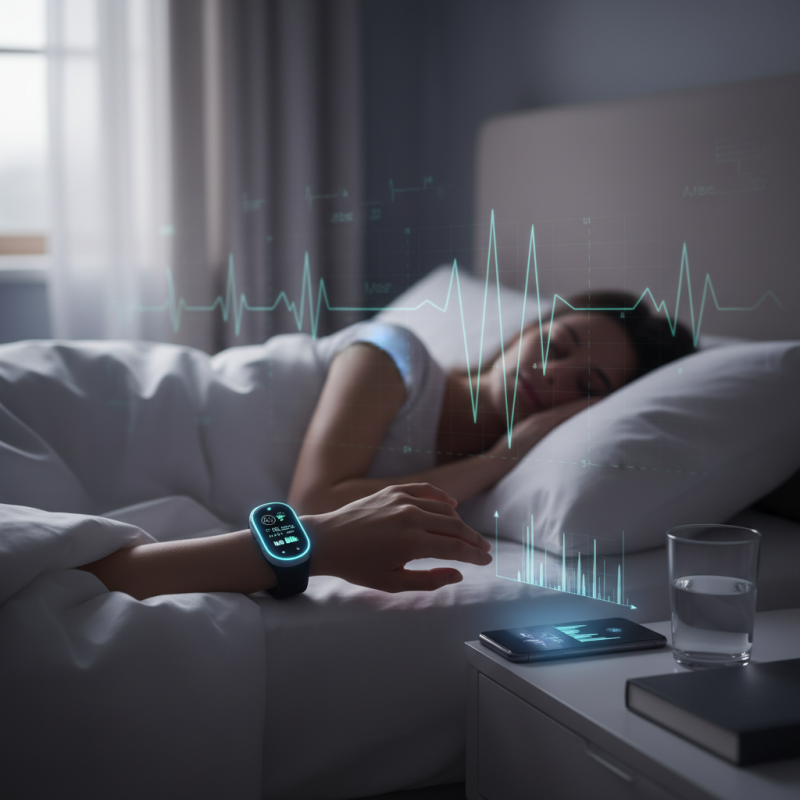
In today’s fast-paced world, sleep monitoring technology has become vital for modern wellness. It helps track sleep patterns and improves sleep quality. Using wearables or smart devices, individuals can measure how long they sleep and the stages they cycle through. The data collected can reveal irregularities, helping users identify issues that disrupt their rest.
Sleep monitoring provides insights into factors affecting sleep, like stress and lifestyle. For example, many find that excessive screen time impacts their ability to fall asleep. By understanding these patterns, users can make informed changes to their routines. Even small adjustments, like reducing caffeine intake, can lead to noticeable improvements.
Yet, while technology can guide us, it's not always perfect. Data might miss nuances in our sleep behavior. Users should remain critical of the insights provided and remember that personal factors matter. Balancing tech usage with self-awareness is crucial for optimal sleep.
Importance of Sleep Monitoring Technology in Modern Wellness
Key Features of Effective Sleep Monitoring Devices
Effective sleep monitoring devices offer a range of essential features for improving sleep quality. These devices usually track multiple metrics, including heart rate, movement, and sleep stages. By measuring these parameters, users can gain insights into their sleep patterns. This data helps identify factors affecting rest, making it easier to implement changes for better sleep.
Another key feature is real-time feedback. Many devices provide instant alerts about disturbances during the night. This immediate information allows users to adjust their sleep environments or habits. Some devices even integrate with mobile apps, providing detailed reports over time. Users can see trends, helping them understand their sleep better.
It’s important to recognize that not all sleep monitors are created equal. Some may lack accuracy or miss important metrics. Relying solely on technology without critical thinking can lead to overconfidence in the data. Users should complement device insights with personal observations and professional advice. This nuanced approach fosters a more effective sleep improvement journey.
How Sleep Monitoring Technology Works: An Overview
Sleep monitoring technology has transformed our understanding of sleep. It utilizes a variety of sensors to track sleep patterns. These sensors measure heart rate, movement, and even breathing. According to a report by the National Sleep Foundation, nearly 70% of adults face sleep problems. These technologies provide valuable insights into these issues.
Wearable devices, for instance, can capture real-time data. This data helps users understand their sleep quality. Studies show that consistent monitoring can lead to better sleep habits. The data collected can reveal patterns, such as how late-night screen time affects sleep. Many users report improved sleep duration and quality by adjusting their habits based on this information.
While sleep monitoring is beneficial, it also has limitations. Some users may become overly dependent on these devices. They might obsess over data, leading to anxiety about sleep. It's essential to balance technology use with intuition about our bodies. Addressing sleep problems involves more than data analysis. Seeking professional advice is still crucial for long-term improvement.
Benefits of Utilizing Sleep Data for Health Improvement
Sleep data can transform your health. By monitoring sleep patterns, individuals can uncover the root causes of poor rest. Many people underestimate their sleep quality. They often believe they sleep well without validating it through data.
Collecting sleep information reveals patterns and trends. This information points out issues like sleep apnea or inconsistent sleep cycles. Patterns of insomnia can emerge too. Once individuals recognize these trends, achievable changes can lead to better health outcomes. Simple adjustments, like altering screen time or bedroom environment, can create a significant impact.
The data-driven approach to sleep management also fosters accountability. Individuals may feel motivated to stick to bedtime routines. However, the reliance on technology has its drawbacks. Constant monitoring could lead to anxiety about sleep performance. Striking a balance is essential. Reflection on data should focus on improvement, not perfection. Using sleep data wisely can indeed encourage a healthier lifestyle.
Why is Sleep Monitoring Technology Essential for Better Sleep? - Benefits of Utilizing Sleep Data for Health Improvement
| Sleep Monitoring Technology | Key Benefits | Data Utilization | Impact on Health |
| Wearable Devices | Tracks sleep cycles and quality | Analyzes sleep patterns using algorithms | Improves overall sleep quality |
| Sleep Apps | Provides insights into sleep behavior | Offers personalized sleep tips | Reduces insomnia symptoms |
| Smart Mattresses | Adapts to body movements during sleep | Collects data on mattress performance | Enhances comfort reducing sleep disturbances |
| Sleep Trackers | Monitors heart rate and oxygen levels | Provides health metrics during sleep | Identifies potential sleep disorders |
Challenges and Considerations in Sleep Monitoring Technology
Sleep monitoring technology has become increasingly popular for those seeking better rest. However, it comes with challenges that are often overlooked. One significant issue is the accuracy of data collected. Many devices can misinterpret movements as sleep stages. These inaccuracies can lead to frustration and confusion for users trying to improve their sleep quality.
Privacy concerns also arise with sleep monitoring devices. Users often share personal data, which can be vulnerable to breaches. This situation creates a tension between seeking better sleep and protecting one’s privacy. Users must be aware of how their data is stored and used. Transparency from developers is crucial in building trust.
Furthermore, many people rely heavily on technology for sleep tracking. This dependence can be counterproductive. Constantly checking sleep stats can create anxiety rather than relief. Sleep is meant to be a restorative process. When technology interferes, the natural rhythms of sleep may be disrupted. Balancing technology use with intuitive self-care is essential for genuine improvement in sleep health.
