What Is a Modern Walk In Wardrobe for Global Buyers?
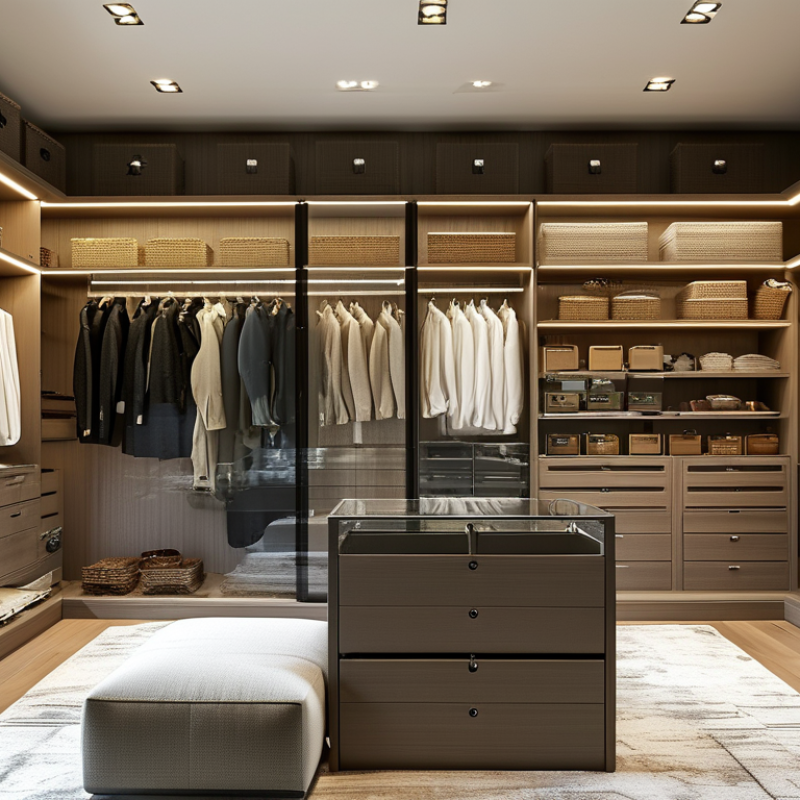
For global buyers, a modern walk-in wardrobe is no longer merely a room filled with rails and shelves. It is a private dressing space, storage system, and daily routine hub. Recent market research reflects this shift. Grand View Research identifies growing demand for customized storage, premium materials, and space-efficient furniture in the global home-furnishing sector. The 2024 Houzz & Home Study also reports continued homeowner investment in renovation and personalized interiors, although it does not isolate walk-in wardrobes as a separate category.
Lisa Adams, founder of LA Closet Design, has described the closet as “the new kitchen.” The phrase is memorable. It also needs careful interpretation. A luxury island, glass drawer, or illuminated shoe wall cannot solve poor planning. Global buyers need accurate measurements, durable hardware, comfortable lighting, and storage suited to local clothing habits. A buyer in London may prioritize coats and humidity control. A buyer in Dubai may need ventilation, dust protection, and deeper shelving.
Professional design experience shows that small details matter. Soft-close drawers should move quietly. Hanging zones need enough depth for jackets. Warm lighting should reveal fabric colors without creating glare. Yet, no single layout works everywhere. Cultural habits, apartment sizes, climate, and budgets change the answer. This guide examines how a modern walk-in wardrobe can balance visual luxury, practical organization, material reliability, and long-term value for international homeowners. Some industry forecasts sound confident, but real-world performance still depends on installation quality. That part is often underestimated.
Defining the Modern Walk-In Wardrobe for Global Buyers
What Is a Modern Walk In Wardrobe for Global Buyers?
A modern walk-in wardrobe is more than shelves behind a door. It is a storage system shaped around daily habits, climate, space, and local building practices. Global buyers often expect adjustable rails, soft-close drawers, full-height storage, and clear lighting. They also want the room to feel calm, not crowded.
The 2024 U.S. Houzz & Home Study reported a median major renovation spend of $60,000, showing that homeowners increasingly invest in functional interior upgrades. However, this figure is not a wardrobe budget. It should not be treated as one. A professional design process still needs accurate room measurements, door clearances, electrical planning, and ventilation checks. In humid regions, moisture-resistant boards and ventilated shoe storage matter. In colder markets, deeper drawers may protect heavier clothing.
Material responsibility is becoming harder to ignore. UNEP’s 2023 Global Status Report for Buildings and Construction stated that buildings produced 37% of global energy-related and process-related carbon emissions in 2022. A modern wardrobe should therefore consider certified timber, low-emission finishes, replaceable hardware, and long service life. Small details matter. A 300-millimetre drawer can waste valuable capacity if folded clothing is stored poorly. Sensor lighting is useful, but poorly positioned sensors become irritating. The best specification balances appearance, accessibility, maintenance, and real household behavior. That balance is still imperfect.
What Is a Modern Walk-In Wardrobe for Global Buyers?
A modern walk-in wardrobe combines efficient storage with comfortable movement. The planning dimensions below use widely applied residential design references and are shown in metric and imperial units for global buyers.
Reference dimensions: a 91 cm (36 in) clear aisle supports comfortable passage, while approximately 61 cm (24 in) is typical for hanging-clothing depth. Shelves and shoe storage commonly use about 30 cm (12 in) depth. Actual requirements vary with layout, door clearance and user needs.
Core Features and Functional Layout Principles
A modern walk-in wardrobe serves global buyers through clear zoning, not decorative excess. The National Association of Home Builders’ 2024 housing study found that 81% of buyers consider a walk-in pantry desirable or essential. This signals a wider demand for organised storage. Wardrobes should answer that demand with adjustable shelves, double-hang rails, drawers, shoe racks, and one flexible zone for future needs.
Layout begins with movement. Keep a practical circulation path between 900 and 1,200 millimetres, depending on local building standards and user needs. ISO 21542:2021 uses a 900-millimetre clear route as a key accessibility reference. Place frequently used clothing between waist and eye level. Store seasonal luggage higher. A central island can add folding space, but it should not narrow the walking route. Measure twice.
Lighting needs layered control. Use ceiling lighting for general visibility, vertical lighting near mirrors, and low-glare illumination inside drawers. The U.S. Department of Energy reports that LED lamps generally use at least 75% less energy than incandescent lighting and last much longer. That supports efficient wardrobe operation, especially where lights remain on during selection.
Material choices also affect reliability. Moisture-resistant panels, strong drawer runners, and ventilated shoe storage suit humid markets. Yet every imported layout should be questioned. A closed cabinet may protect garments in one climate, but trap heat in another. Perfect standardisation is unlikely. Good design leaves room for local habits, changing wardrobes, and honest user feedback.
Materials, Storage Systems, and Customization Options
What Is a Modern Walk In Wardrobe for Global Buyers?
A modern walk-in wardrobe combines durable materials, measurable storage, and flexible customization. Material selection should begin with indoor air quality and maintenance. The U.S. Environmental Protection Agency states that indoor pollutant levels can be two to five times higher than outdoor levels. Low-emission boards, water-based finishes, and formaldehyde-tested panels are therefore practical choices. Solid timber adds warmth, but it can expand in humid climates. I would never specify it without checking moisture conditions.
Storage systems need to reflect real movement, not showroom symmetry. Adjustable shelves, pull-down rails, soft-close drawers, shoe trays, and vertical compartments help different users share one room. A 2024 National Association of Home Builders report continues to rank storage among highly valued home features, although exact preferences vary by region. Global buyers should request metric dimensions, replacement-part access, and installation drawings. Small details matter.
Customization is more than choosing colors. It may include lighting zones, concealed cable routes, mirrored doors, laundry sections, or accessible hanging heights. Sensors can reduce energy waste, but complex electronics may become difficult to repair abroad. The UNEP 2023 Global Status Report for Buildings and Construction reports that buildings create 37% of global energy-related emissions. Efficient LED lighting and timed controls can reduce operating demand. Still, excessive automation is not automatically sustainable. A quiet drawer, a strong hinge, and a panel that can be replaced may serve better for ten years. Specification mistakes happen when appearance leads the conversation.
International Design Trends and Buyer Preferences
What Is a Modern Walk-In Wardrobe for Global Buyers?
International buyers increasingly want wardrobes that feel personal, flexible, and easy to maintain. The IKEA Life at Home Report 2023 surveyed 37,428 people across 38 countries. It highlights comfort, control, and self-expression as important home priorities. These findings support warmer wardrobe interiors, adjustable shelving, and dedicated spaces for shoes, bags, and daily clothing. Buyers also prefer soft lighting, natural textures, and practical seating near dressing areas. A beautiful room must still work at 7 a.m.
Regional habits influence the layout. European buyers may prefer compact, highly organized storage. Buyers in warmer climates often need stronger ventilation and breathable materials.
In luxury residential planning, layered LED lighting is becoming essential, especially for accurate colour matching. The Global Wellness Institute reported that wellness real estate reached approximately 438 billion US dollars in 2023.
This growth encourages healthier-feeling interiors, including daylight access, low-odour finishes, and uncluttered circulation. Still, “wellness” can become a vague sales phrase. Designers should test each feature against real daily use.
Tips: Measure clothing quantities before choosing modules. Leave space for future purchases. Use adjustable rails and removable drawers. Select moisture-resistant boards in humid regions. Add motion-sensor lighting, but provide a manual switch too. Check door clearances carefully. A wardrobe can look impressive in a showroom and fail at home. Professional installers should review ventilation, lighting temperature, material durability, and accessibility with local buyers before production.
