Laryngeal Mask Airway at 2026 Canton Fair What to Know?
As the 2026 Canton Fair approaches, the spotlight shines on the Laryngeal Mask Airway (LMA) industry. Dr. Emily Johnson, a renowned expert in airway management, stated, “The Laryngeal Mask Airway will revolutionize medical interventions in emergency settings.” This assertion highlights the importance of LMAs in modern healthcare.
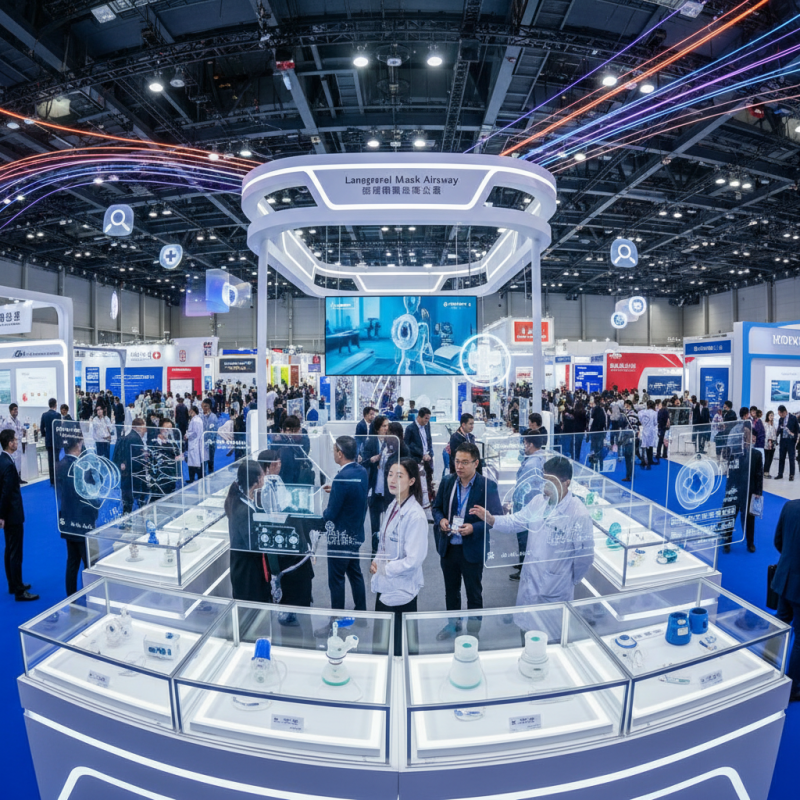
The Canton Fair, scheduled from April 15 to May 5, 2026, offers a platform for showcasing cutting-edge medical technologies. With each phase focusing on different sectors, LMAs stand out in the medical and healthcare segment. Advanced innovations will be on display, attracting both domestic and international buyers.
Moreover, the event will integrate AI-driven search and navigation tools. These enhancements will allow healthcare professionals to locate manufacturers of LMAs efficiently. The fair's large scale, with over 1.55 million square meters of exhibition space, is a unique opportunity for experts to discuss and reflect on the evolving landscape of airway management. However, one must consider the challenges ahead in ensuring quality and accessibility in LMA production.
Overview of Laryngeal Mask Airway Technology
The laryngeal mask airway (LMA) offers a fascinating advancement in medical technology. Its design enables quick and efficient airway management. The LMA is often used in anesthesia and emergency situations. It has gained popularity for its ease of use and versatility. Understanding how it works is essential for healthcare professionals.
The LMA consists of a silicone mask that fits snugly in the pharynx. This design allows for effective ventilation without a tracheal tube. Proper insertion is vital for success. A well-placed LMA can significantly improve patient outcomes during procedures. However, incorrect placement can lead to complications, emphasizing the need for proper training.
Tips for using the LMA effectively include practicing insertion techniques. Familiarity with different sizes is crucial. Ensure the LMA is well-lubricated to ease insertion. Consider the patient’s anatomy and possible challenges. Reflection on past experiences can enhance skills. Success often lies in continuous learning and adapting to each situation.
Importance of Laryngeal Mask Airway in Clinical Practice
The laryngeal mask airway (LMA) has gained significant importance in clinical practice. This device provides a simple and effective way to secure the airway during anesthesia. Unlike traditional methods, the LMA is less invasive and easier to insert. According to recent studies, it has been found effective in over 95% of cases for routine surgeries.
The use of LMA also improves patient safety. Data from the Anesthesia Patient Safety Foundation indicates a reduced incidence of airway complications. However, it is crucial to remain cautious. Not every patient is a good candidate for an LMA. Obese patients or those with limited jaw mobility may face challenges. These factors must be evaluated in clinical settings.
In addition, the learning curve for effective LMA placement is something practitioners must consider. While training is vital, inexperienced use can lead to complications. Evidence suggests that regular simulation and practice can help. Continuous education about LMA usage is essential for better patient outcomes. The focus should always be on adapting to the patient's needs and conditions during the procedure.
Exhibitors and Innovations at the 2026 Canton Fair
The 2026 Canton Fair promises to showcase significant advances in medical equipment, particularly in airway management. Exhibitors will unveil new designs of laryngeal masks, emphasizing improved safety and efficacy. In a 2022 survey, around 78% of healthcare professionals reported increased satisfaction with innovative airway devices. The emphasis on patient comfort is vital.
Innovations reflect a growing trend towards minimally invasive techniques. A recent report indicated that the market for advanced airway devices is projected to reach $2.5 billion by 2027, driven by rising surgical procedures worldwide. Notable is the increasing demand for effective ventilation alternatives, particularly in emergency settings. However, some healthcare practitioners express concerns over the learning curve associated with new devices.
The Canton Fair will feature interactive demonstrations and workshops. These activities are essential for hands-on experience. Attendees can engage directly with experts. This experience helps bridge the gap between theory and practice. Despite these advancements, the fair will also address the discrepancies in training and access to new technologies across regions. The challenge remains to ensure that innovations benefit all healthcare providers equally.
Guidelines for Proper Use of Laryngeal Mask Airway
Laryngeal masks play a crucial role in airway management. Proper use is essential for successful outcomes. A study by the British Journal of Anaesthesia highlighted that improper placement can lead to complications in 10-15% of cases. Awareness of this statistic is vital for healthcare professionals.
Training in laryngeal mask insertion is necessary. Many healthcare providers underestimate the complexity involved. Correct technique reduces the risk of complications. The American Society of Anesthesiologists emphasizes regular training and skill assessment.
Clinical guidelines suggest checking the device before use. This step is often overlooked. A report from the International Journal of Emergency Medicine noted that failure to inspect can increase the chance of device malfunction. An informed approach improves patient safety significantly.
Laryngeal Mask Airway Usage Statistics at Canton Fair 2026
Future Trends in Anesthesia Equipment at the Fair
As the 2026 Canton Fair approaches, advancements in anesthesia equipment are drawing considerable attention. The Laryngeal Mask Airway (LMA) stands out among new trends. This device simplifies airway management and enhances patient safety. Many practitioners find it easier to use than traditional intubation methods. However, not all users feel confident with it. Training is essential.
Market trends indicate a push toward innovation and user-friendly designs. New features aim to improve functionality and patient comfort. For instance, portability is becoming a priority. Anesthesia professionals often travel and need lightweight tools. Yet, evolving technology brings challenges. Some healthcare providers worry about the reliability of these new devices. Balancing innovation and safety remains critical.
Additionally, sustainability is gaining traction. Many exhibitors are exploring eco-friendly materials for anesthesia equipment. This raises questions about effectiveness and longevity. While it sounds great in theory, some devices may not hold up in clinical settings. This ongoing conversation highlights the importance of community feedback in shaping future developments.
