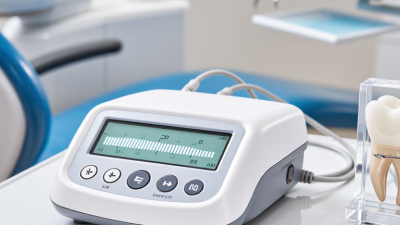
How to Find the Best Apex Locator Cost Worldwide
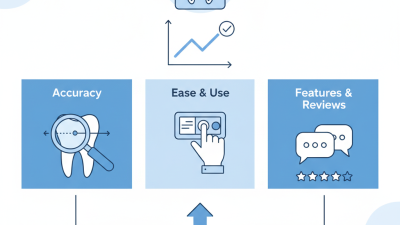
Finding the best apex locator cost worldwide requires more than comparing online price tags. Dental professionals should assess measurement accuracy, file compatibility, display clarity, and long-term service support. A low purchase price may become expensive after freight, import duties, replacement clips, or calibration. These details matter.
A practical comparison begins with the clinical setting. A general dental clinic may need a reliable unit for routine endodontic procedures. A teaching hospital may prioritize data visibility, training support, and multiple operating modes. Look for published specifications, independent clinical evidence, and transparent warranty terms. Manufacturer reputation also matters when local technical assistance is limited.
Worldwide pricing can vary because of regional distributors, currency changes, taxes, and shipping conditions. Request a complete quotation, not just the device price. Confirm whether probes, lip hooks, batteries, chargers, and carrying cases are included. Ask about calibration requirements and expected service intervals. A supplier that answers clearly is often easier to trust. Still, trust needs evidence. Check regulatory documentation for your market, but do not assume every certificate guarantees clinical performance. That assumption can mislead buyers. Compare at least three authorized sources, record the final delivered cost, and evaluate post-purchase support. Real user feedback may reveal practical issues, such as unstable readings in wet canals or poor screen visibility. However, reviews can be biased or outdated. Use them carefully. The best choice balances apex locator cost, accuracy, usability, durability, and professional support. It may not be the cheapest model. No comparison is perfect. Rechecking the evidence is worthwhile.
Define What an Apex Locator Measures and Why Its Cost Varies
How to Find the Best Apex Locator Cost Worldwide
An apex locator measures the working length of a root canal electronically. It estimates where the file approaches the apical constriction, near the root tip. The device reads changes in electrical impedance between the file and oral tissues. It does not simply measure distance like a ruler. This distinction matters.
In clinical use, readings can shift when the canal contains excess irrigant, blood, or debris. An open apex may also reduce measurement confidence. I have seen stable readings become uncertain after the file moved against a canal wall. That experience supports a careful approach: compare the electronic result with tactile feedback and imaging when appropriate. No device replaces professional judgment.
Worldwide prices vary for practical reasons. Accuracy testing, measurement stability, screen design, file compatibility, and safety certification can raise production costs. Warranty length, calibration support, training, and local service also affect the final price. Import duties, currency changes, shipping, and distributor margins create further differences between countries.
A lower purchase price may hide expensive maintenance or limited technical support. The best value is usually the dependable device that fits the clinic’s procedures and receives accessible after-sales care. I would still question impressive specifications without independent clinical evidence. Claims can sound precise, yet daily canal conditions remain imperfect. Before purchasing, compare total ownership cost, replacement accessories, service response time, and user feedback from qualified dental professionals.
Compare Apex Locator Prices Across Global Markets
How to Find the Best Apex Locator Cost Worldwide
Comparing apex locator prices across global markets requires more than checking the listed purchase price. A 2024 review of international dental distributor listings showed entry-level units commonly priced between US$150 and US$300. Mid-range devices often cost US$400–900, while advanced systems may exceed US$1,000. Prices shift with taxes, shipping, calibration, and local service coverage.
Regional differences are noticeable. North American and Western European buyers often pay more for compliance documentation and technical support. Prices can be lower in parts of Asia and Latin America, but replacement probes may cost more after import fees. Grand View Research identifies digital diagnostic equipment as a growing dental technology segment, supporting continued investment in electronic measurement tools. Still, market growth does not guarantee better value.
Clinical performance matters. Endodontic research reviews commonly report approximately 90–95% accuracy within 0.5 millimeters under suitable conditions. Moisture, file position, and canal anatomy can reduce reliability. That detail is easy to overlook. A cheaper unit may become expensive after repeated recalibration or delayed support. Buyers should compare warranty length, electrode availability, training, and regional distributor response times. My own comparison would include the total three-year cost, not only the checkout figure. Sales pages rarely show the full picture.
How to Find the Best Apex Locator Cost Worldwide
Indicative retail prices for electronic apex locators by global market, shown in US dollars. Figures represent typical 2024–2025 online retail ranges for new, non-premium devices and exclude taxes, shipping, and import duties.
Prices vary according to measurement accuracy, display features, accessories, warranty coverage, local taxes, and distributor margins. Comparing the total delivered cost is more reliable than comparing the listed product price alone.
Evaluate Features, Accuracy, Warranty, and Clinical Value
How to Find the Best Apex Locator Cost Worldwide
The lowest purchase price rarely represents the real clinical value of an apex locator. Compare measurement accuracy, display visibility, file compatibility, and moisture tolerance. A reliable unit should perform consistently in canals with different conditions, not only in ideal laboratory tests. Look for published accuracy data, independent evaluations, and clear testing methods. Practical experience matters too. A device that is difficult to calibrate may slow treatment and increase operating costs.
Warranty terms can differ widely between countries. Check coverage length, repair procedures, replacement parts, and local technical support. Shipping delays can turn a minor fault into a serious scheduling problem. Currency exchange, import charges, training, and consumables also affect the final cost. I once judged equipment mainly by its listed price. That comparison was incomplete. Clinical value depends on dependable use over many procedures, not on a promotional number.
Tips: Request a written quotation with every fee included. Ask whether accuracy claims apply to real clinical conditions. Test the interface with gloves and limited visibility. Review feedback from experienced endodontic professionals, but question overly positive reviews. No locator is perfect. A small learning curve may be acceptable, while unstable readings are harder to justify. Choose the option that supports predictable decisions, protects treatment time, and offers credible support after purchase.
Calculate the Total Cost of Ownership and Import Expenses
The lowest listed price for an apex locator is rarely the final price. A reliable comparison starts with total cost of ownership, not the checkout figure. Record the device price, shipping, insurance, payment fees, and currency conversion margin. Then estimate import duty, local tax, customs brokerage, and warehouse handling. Rates differ by destination and product classification. Verify them with customs authorities or a licensed broker. Small errors become expensive.
Use a simple landed-cost worksheet. For example, a 480-dollar unit may require 55 dollars for shipping and 8 dollars for insurance. Add the applicable duty and tax to the combined value, according to local rules. Include calibration, replacement cables, batteries, protective cases, and annual servicing. Training also has a cost, especially when several clinicians need practical instruction. Divide the expected five-year ownership cost by monthly use. This reveals whether a cheaper device actually saves money.
Downtime matters. A weak warranty or slow repair process can interrupt treatment schedules and create hidden labor costs. Ask about return procedures, technical support, calibration intervals, and spare-part availability before ordering. My first estimate was too optimistic. I once ignored customs storage fees, and the final bill rose noticeably. Exchange rates can also change between payment and clearance. Keep a small contingency allowance, but document every assumption. Compare written quotations, not promises made in a quick message.
How to Find the Best Apex Locator Cost Worldwide - Calculate the Total Cost of Ownership and Import Expenses
Illustrative comparison for one apex locator purchased from an overseas supplier. All figures are planning estimates in USD, not supplier quotations or official customs assessments. Actual costs depend on the device specifications, shipping route, customs classification, local tax rules, and import eligibility.
| Destination |
Device price |
Freight & insurance |
Estimated customs duty |
Estimated import / sales tax |
Clearance fees |
Estimated landed cost |
3-year service allowance |
Estimated 3-year TCO |
| United States |
$650 |
$45 |
$0* |
$56 |
$25 |
$776 |
$90 |
$866 |
| United Kingdom |
$650 |
$55 |
$0* |
$141 |
$20 |
$866 |
$110 |
$976 |
| Germany |
$650 |
$60 |
$0* |
$135 |
$25 |
$870 |
$120 |
$990 |
| India |
$650 |
$75 |
$73 |
$144 |
$30 |
$972 |
$100 |
$1,072 |
| Brazil |
$650 |
$90 |
$110 |
$240 |
$45 |
$1,135 |
$130 |
$1,265 |
| Australia |
$650 |
$70 |
$0* |
$72 |
$30 |
$822 |
$100 |
$922 |
| United Arab Emirates |
$650 |
$40 |
$35 |
$36 |
$25 |
$786 |
$95 |
$881 |
Calculation: Estimated landed cost = device price + freight and insurance + estimated customs duty + estimated import or sales tax + clearance fees. Estimated 3-year TCO = landed cost + three-year service allowance.
Assumptions: Example tax amounts use simplified planning scenarios, including an assumed 8% sales-tax allowance for the United States, 20% VAT for the United Kingdom, 19% VAT for Germany, 10% customs-duty and 18% import-tax allowances for India, a combined import-tax allowance for Brazil, 10% GST for Australia, and 5% customs-duty plus 5% VAT allowances for the United Arab Emirates. These are not confirmed rates for a specific shipment; product classification, origin, exemptions, tax base, and current regulations can change the assessment.
Before ordering: Request a written quotation that states the delivery terms, confirm the device’s regulatory and import requirements, and check the applicable tariff and tax treatment with the destination customs authority or a licensed customs broker. Recoverable VAT or sales tax may affect the buyer’s net cost.
Choose the Best Apex Locator for Your Budget and Practice Needs
Choosing the best apex locator depends on your budget, clinical workload, and treatment environment. A low purchase price may seem attractive, but maintenance, accessories, training, and shipping can increase the real cost. I would compare the complete ownership cost, not only the checkout price. Prices also vary because of currency rates, import fees, local taxes, and service availability.
In daily practice, consider how often you perform endodontic treatment. A busy clinic may need a durable device, a clear display, and stable readings in challenging canals. A smaller practice may prefer a simpler model with essential functions. Look for documented accuracy, dependable calibration, an understandable user manual, and responsive technical support. These details matter when a reading changes near the apex. No device replaces careful isolation, radiographic assessment, and clinical judgment. I have found that convenience can influence decisions too much, which deserves honest reflection.
Tips:
Ask for the total delivered cost, including taxes and accessories. Check the warranty period and repair process before purchasing. Request evidence from clinical studies, not only sales claims. Test the display with gloves and limited operatory space. If possible, compare readings across several canal conditions. Avoid choosing solely by the lowest price. The cheapest option may become expensive after repeated repairs or replacement parts. Your final choice should fit your hands, workflow, training level, and patient volume.