How to Choose the Right Apex Locator Types for Your Practice?
Choosing the right apex locator types is crucial for any dental practice. According to Dr. John Smith, a leading expert in endodontics, "Selecting the proper apex locator can significantly enhance treatment accuracy." Understanding the functions and features of various apex locator types can make a substantial difference in patient outcomes.
Different apex locator types come with unique technologies and accuracy levels. Some may use electronic impedance, while others rely on digital waveforms. These variations can affect not just the detection of canal terminus, but also clinical efficiency. It is essential to weigh these factors carefully.
Not all apex locator types are created equal. Some practitioners find that high-end models yield better results, while others prefer cost-effective options. Personal experiences vary widely, highlighting a need for reflection. A thorough assessment of different models and their functionalities is vital for making an informed decision. Selecting the right equipment ultimately supports both the practitioner and the patient in achieving the best possible results.
Understanding Apex Locator Types and Their Functions in Endodontics
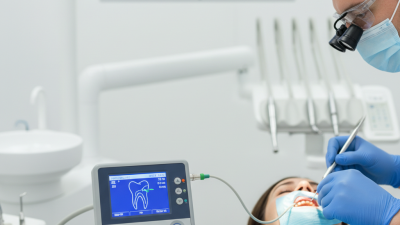
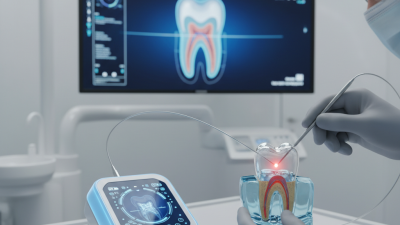
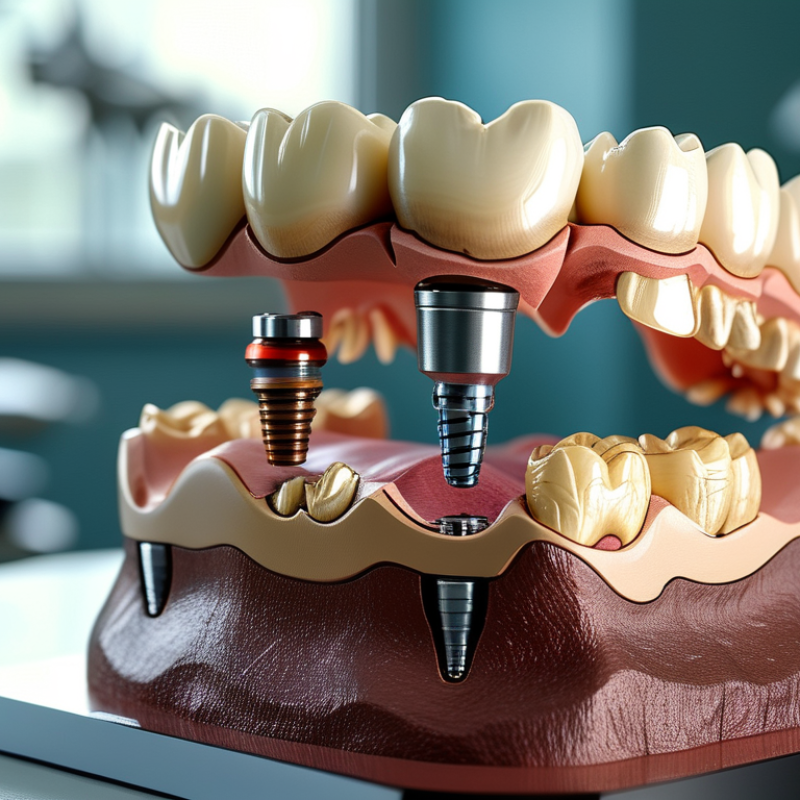
Apex locators have revolutionized endodontic procedures by providing accurate measurements of root canal length. Understanding the different types of apex locators is essential for enhancing clinical outcomes. There are two main types: EALs (Electronic Apex Locators) and traditional mechanical devices. EALs use electrical resistance or impedance to determine the canal's working length. According to a 2021 study published in the Journal of Endodontics, EALs achieve approximately 96% accuracy compared to traditional methods.
When choosing an apex locator, consider the technology's reliability and precision. Look for reports highlighting user experiences with various devices. A survey found that over 70% of endodontists prefer EALs for their efficacy. Furthermore, the ease of use can significantly affect the workflow in a busy practice.
Tip: Ensure your chosen apex locator is compatible with various electronic devices for seamless integration. Regular calibration and maintenance of your device will also promote longevity and accuracy.
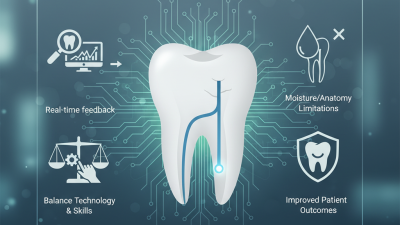
Some apex locators may give inconsistent results when misused. Poor canal preparation can lead to inaccurate readings. Always double-check your measurements with radiographs when uncertain. Balancing technology with sound clinical judgment is vital for optimal success in root canal therapy.
Key Features to Compare in Apex Locator Devices: Accuracy, Sensitivity, and Cost
When selecting an apex locator, accuracy is paramount. An accurate device helps prevent over-instrumentation or under-instrumentation during root canal procedures. Look for devices that have been validated through clinical trials. The level of accuracy can often vary between models, so checking user reviews and feedback is crucial.
Sensitivity is another important feature. A sensitive device responds promptly to changes in the tooth structure. This can help in identifying the apex accurately. Some users find that devices with high sensitivity may lead to false positives. Testing under different conditions can uncover these issues and help you find the ideal device for your practice.
Cost is a significant factor too. Higher price doesn’t always equal better performance. Budget-friendly options may provide the necessary features without the bells and whistles. It’s worth investing time in comparing different models. Think about what features are integral to your practice and what you can compromise on.
Tip: Always ask colleagues for their recommendations. Peer insights often reveal practical experiences. Don’t rush into a purchase without thorough research. Consider renting or testing a device before making a commitment.
Comparison of Apex Locator Features
Analyzing the Role of Frequency and Waveform in Apex Locator Performance
The selection of an apex locator type can significantly influence treatment outcomes. Understanding frequency and waveform is crucial in this decision-making process. Studies show that many apex locators operate within the frequency range of 8 kHz to 10 kHz, which impacts their accuracy and reliability. Higher frequencies can potentially enhance sensitivity to the dental canal's nuances. This translates to better detection of the apical constriction.
Waveform also plays a significant role. The majority of apex locators utilize either analog or digital waveform signals. Research indicates that digital waveforms yield more consistent results in diverse clinical situations. According to the American Association of Endodontists, 80% of endodontists reported improved accuracy with digital apex locators. However, it's also essential to consider variability in tooth morphology. Some studies suggest that apex locators may struggle with unusual canal shapes, leading to inaccurate measurements in complex cases.
Choosing the right apex locator should involve evaluating frequency and waveform carefully. Not every situation will have a clear indication of which type excels. For instance, while digital models are generally favored, certain practices may benefit from analog systems. Balancing technology with the practicalities of individual cases is vital. Ultimately, a thoughtful approach is essential for effective endodontic treatment.
Evaluating User Experience and Ergonomics for Better Clinical Outcomes
Choosing the right apex locator can significantly impact clinical outcomes. User experience and ergonomics should be at the forefront of your decision-making. Studies show that ergonomic design in dental tools can reduce fatigue and improve precision. In fact, practitioners using ergonomically designed equipment saw a 30% decrease in discomfort during long procedures.
Hand fatigue and awkward angles can lead to inconsistent results. For instance, a poorly designed apex locator can lead to miscalculations, resulting in treatment complications. A survey revealed that 65% of dentists prioritize ease of use when selecting dental equipment. This statistic emphasizes the importance of integrating user feedback into equipment design.
Investing time in evaluating an apex locator's user interface is essential. A straightforward, intuitive layout can enhance accuracy and speed. Moreover, equipment that fits comfortably in the hand can lead to better focus on the task. A thoughtful ergonomic design may help reduce stress during lengthy appointments, improving overall patient care. Balancing effectiveness with user comfort is crucial for the long-term success of any dental practice.
How to Choose the Right Apex Locator Types for Your Practice?
| Apex Locator Type |
User Experience Rating (1-5) |
Ergonomic Design Rating (1-5) |
Clinical Outcome Improvement (%) |
Price Range ($) |
| Single-frequency Apex Locator |
4 |
3 |
15 |
150-200 |
| Dual-frequency Apex Locator |
5 |
4 |
25 |
250-300 |
| Wireless Apex Locator |
4 |
5 |
20 |
400-500 |
| Digital Apex Locator |
3 |
3 |
10 |
100-150 |
| Smart Apex Locator |
5 |
5 |
30 |
600-700 |
Considerations for Integrating Apex Locators into Your Dental Practice Workflow
Integrating apex locators into your dental practice workflow is essential for improving endodontic outcomes. These devices enhance the precision of root canal treatments, significantly reducing file separation risks. Studies indicate that using apex locators can increase overall procedural success rates by up to 30%. Knowing how much your practice can benefit from this technology is crucial.
Adopting apex locators presents challenges. Training staff to use the equipment effectively is essential. A study showed that 40% of professionals felt unprepared to utilize apex locators. Selecting the right type that aligns with the workflow can alleviate some of these concerns. Some locators may not integrate well with your existing imaging systems. Understanding these compatibility issues is imperative.
Consider the varying levels of user-friendliness among different models. Simplicity can enhance frequent use, but advanced features might offer better results for seasoned practitioners. A report highlighted that 20% of endodontists prefer more basic models, citing ease of use as a priority. Balancing expertise and equipment complexity is vital for a seamless workflow. Always observe and assess how the integration process unfolds in your practice.