
Choosing an Aluminum Patient Transfer chair is not simply a matter of comparing prices, colors, or advertised weight limits. The right model must match the patient’s mobility, body size, transfer ability, and care environment. A narrow bathroom doorway, uneven flooring, or limited caregiver strength can change the safest choice.
Safe patient-handling researcher Audrey Nelson, PhD, has warned, “There is no such thing as a safe lift.” Her message matters here. A transfer chair should reduce lifting, twisting, and sudden movement, not create new risks. Look for a rigid aluminum frame, dependable wheel locks, supportive armrests, a secure footrest, and upholstery that can be cleaned without trapping moisture. Small details matter. A loose brake can change everything.
This guide explains how to assess an Aluminum Patient Transfer chair before purchase or daily use. It considers weight capacity, seat width, maneuverability, caregiver control, and maintenance demands. It also discusses hospital corridors, home bathrooms, and vehicle transfers, because the same chair may behave differently in each setting. A perfect chair does not exist. That is worth admitting. Even a well-designed model may feel unstable on steep ramps or unsuitable for a patient with poor trunk control. Clinical assessment remains important, especially after surgery, injury, or a major change in strength. Careful selection can make transfers calmer, more controlled, and less physically demanding for everyone involved.
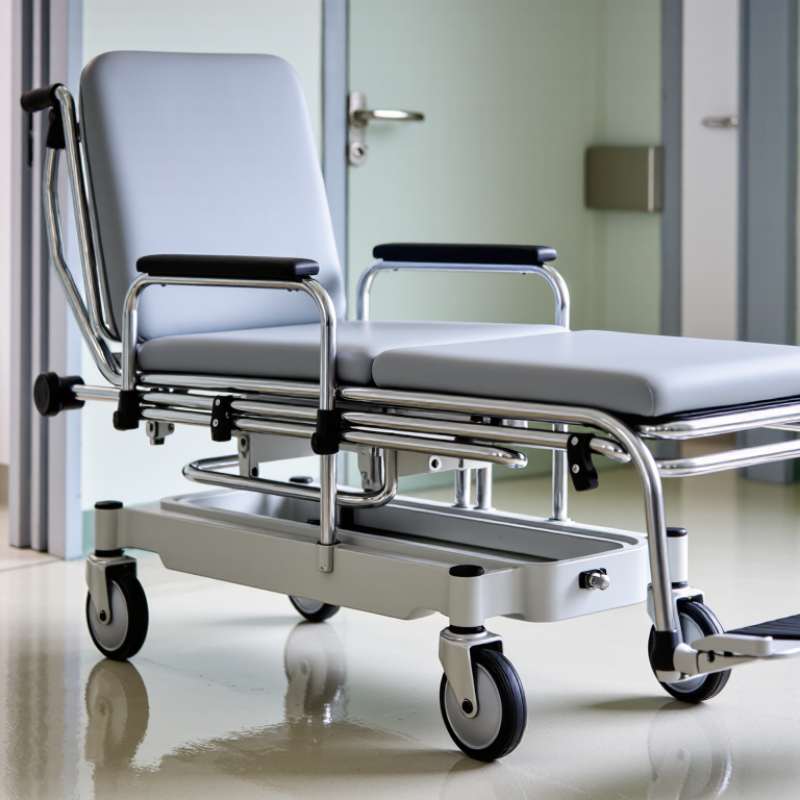
Choosing an aluminum patient transfer chair should begin with the person, not the frame. The key question is how the patient moves between a bed, chair, toilet, or vehicle. Can the patient stand briefly and pivot? Can they follow instructions and bear partial weight? Or do they require a slide-board transfer or full assistance?
A lightweight chair may reduce caregiver effort. However, weight alone is a poor selection guide. A narrow seat can restrict hip movement, while a wide seat may reduce postural control. Check seat width, depth, braking access, footrest clearance, and rated load capacity. For users with weak legs, swing-away footrests and removable armrests can create a safer transfer path. Always assess the bathroom doorway and turning space.
The WHO and UNICEF Global Report on Assistive Technology (2022) estimates that more than 2.5 billion people need assistive products worldwide. This figure may reach 3.5 billion by 2050. The WHO wheelchair provision guidelines also emphasize assessment, fitting, user training, and follow-up. Those steps matter here. A chair that fits well today may become unsuitable after surgery, weight change, or declining balance. Transfer ability should be reviewed by a qualified healthcare professional. Caregivers should not improvise lifting techniques. In practice, overlooking the patient’s confidence is an easy mistake, and sometimes the most important detail.
Aluminum transfer chairs differ in frame shape, seat width, folding design, and wheel placement. Aluminum usually reduces lifting effort, but lighter is not always safer. The World Health Organization’s 2022 Global Report on Health Equity for Persons with Disabilities estimates that 1.3 billion people experience significant disability worldwide. That scale makes fit and accessibility practical safety concerns, not cosmetic details. Measure the user’s hip width, leg length, and doorway clearance before ordering. Fit matters. A narrow seat can cause pressure, while an oversized seat may reduce postural control.
Compare seat widths carefully, often ranging from about 16 to 22 inches. Check the overall width, especially for bathrooms and vehicle doors. ISO 7176-5 provides standardized methods for wheelchair dimensions and mass, helping buyers compare measurements more reliably. Still, product listings may describe similar dimensions differently. That is frustrating, and worth checking twice. Look for swing-away or detachable footrests, padded arm supports, and locking rear brakes. These features affect transfers more than appearance.
Weight capacity requires practical judgment. Never select a chair using body weight alone. Add clothing, bags, cushions, and possible movement during transfers. A 250-pound user may require a chair rated well above 250 pounds, depending on clinical guidance and manufacturer testing. Review the stated capacity under recognized testing conditions, rather than trusting “heavy-duty” wording. The National Institute for Occupational Safety and Health links patient handling with musculoskeletal injury risks, so caregivers should assess pushing force, ramps, and transfer technique too. The best design is usable by both people.
Choosing an aluminum patient transfer chair requires more than comparing weight and price. Safety should guide every decision. Look for dependable wheel locks, secure footrests, stable arm supports, and an anti-tip design. The frame should feel rigid when a caregiver changes direction. Check the weight capacity carefully, including clothing and medical equipment.
Comfort affects cooperation during transfers. A supportive seat, smooth edges, and breathable padding can reduce pressure during short trips. Seat width matters. Too narrow feels restrictive, while excessive space may reduce postural support. Confirm that the chair fits through doorways and under tables. Small clearance problems become daily frustrations.
Caregiver support is equally important. Push handles should provide a controlled grip without forcing awkward wrist angles. Larger rear wheels can improve movement across uneven flooring, but they may increase storage needs. A lighter aluminum frame helps with lifting, although very light designs can feel less stable. That trade-off deserves attention. An occupational therapist or experienced mobility specialist can assess posture, transfer ability, and home layout before purchase.
Test the chair with the actual user. Do not rely only on specifications. Ask whether brakes engage easily and whether the patient can maintain a safe sitting position. We sometimes overlook cleaning access around hinges and cushions. That mistake matters. Inspect fasteners, wheels, and footrests regularly, and document any change in stability or comfort.
Evaluate Safety Features, Comfort, and Caregiver Support
This practical evaluation model gives the greatest emphasis to safety. Prioritize secure wheel locks, a properly fitted safety belt, stable construction, and anti-tip protection. Comfort should include supportive seating, suitable armrests, and adjustable footrests. Caregiver support includes accessible brakes, ergonomic push handles, manageable chair weight, and easy cleaning.
Scores use a 1–5 checklist scale for product evaluation and are not manufacturer or brand ratings.
Portability starts with real handling, not the catalog weight. Check the folded size, lift points, wheel clearance, and brake access. A chair should fit beside a bed without scraping walls or equipment. The World Health Organization’s 2022 Global Report on Assistive Technology estimates that 2.5 billion people need assistive products worldwide. That scale makes practical design important. Do not confuse lightness with easy control. A very light frame may feel unstable during turning.
Storage affects daily workflow. Measure the folded chair beside the intended cabinet, vehicle, or nursing station. Look for protected footrests and a secure folding lock. Small casters can save space but may struggle over thresholds. I have seen compact equipment become inconvenient when staff must lift it repeatedly. That weakness deserves honest review.
Maintenance should be simple and visible. Choose smooth aluminum tubing, sealed joints, washable upholstery, and components compatible with approved disinfectants. Inspect welds, wheel axles, brakes, and fasteners on a scheduled basis. Aluminum resists corrosion, but it is not corrosion-proof. Durability also depends on verified load capacity and fatigue testing. Where applicable, ask for test evidence aligned with ISO 7176-8, which addresses wheelchair strength and fatigue.
The U.S. Bureau of Labor Statistics reported 4.4 recordable injury and illness cases per 100 full-time workers in healthcare and social assistance during 2023. Reducing awkward lifting matters. A practical trial with caregivers may reveal problems that specifications miss.
Choosing an aluminum patient transfer chair starts with the care setting, not the lowest price. A hospital corridor needs smooth casters, reliable brakes, and easy cleaning. A home caregiver may value lighter weight and compact storage. Aluminum can reduce lifting strain, but a lighter frame may feel less stable for larger users. Check the chair’s weight capacity, seat width, footrest design, and folded dimensions before purchasing.
The budget should include more than the purchase price. Examine replacement parts, maintenance access, delivery costs, and staff training. The WHO and UNICEF Global Report on Assistive Technology (2022) estimates that 2.5 billion people need assistive products worldwide. It also reports that nearly 1 billion people lack access. This gap shows why practical, durable equipment matters. However, a premium chair is not automatically suitable. I have seen buyers pay for features that their care setting rarely uses. That decision deserves review.
Tips: Match the chair to the transfer route. Measure doorways, elevator entrances, and bathroom turns. Ask caregivers to test the brakes and footrests while wearing gloves. Confirm that the user can sit upright without pressure points. Request written specifications and warranty terms. A facility should also record who will inspect the chair and how often. Small omissions can become expensive. When unsure, consult an occupational therapist or qualified mobility specialist before ordering.
DENTSPLY Maillefer - USA
5100 E. Skelly Drive, Suite 300
Tulsa, Oklahoma 74135
DENTSPLY Maillefer - Canada
161 Vinyl Court
Woodbridge, ON L4L 4A3
Toll-free in the U.S.:
1-800-924-7393
Toll-free in Canada:
1-800-263-1437
Toll-free in the U.S.:
1-800-924-7389
Toll-free in Canada:
1-888-336-8775