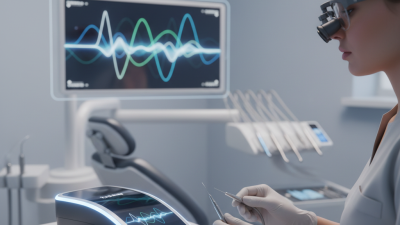
How to Use C Root I Apex Locator for Accurate Root Canal Measurement?
Accurate root canal measurement is crucial in endodontic procedures. The c root i apex locator has emerged as a valuable tool in achieving precision during these treatments. According to the American Dental Association, improper measurements can lead to treatment failure in 20% of cases. This highlights the importance of using advanced technology like apex locators.
The c root i apex locator utilizes electronic measurements to determine the position of the apical foramen. Its accuracy reportedly reaches up to 90% when compared to traditional methods. However, even with advanced tools, clinicians must remain vigilant. Factors such as canal curvature and the presence of irregularities can impact accuracy.
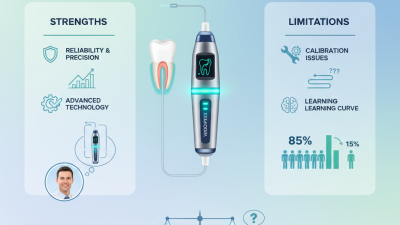
While the c root i apex locator offers significant advantages, it’s not infallible. Dentists should continually assess their techniques and the tools they employ. Understanding both the strengths and limitations of this device is vital for optimal patient outcomes. Professional development and ongoing education are essential in navigating the complexities of root canal therapy.
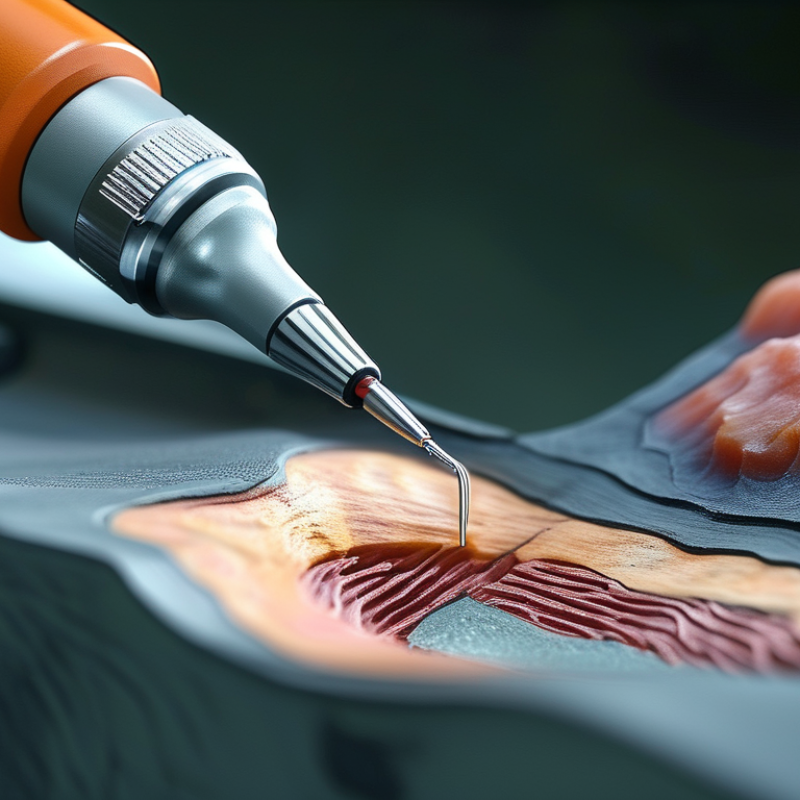
Overview of C Root I Apex Locator Features
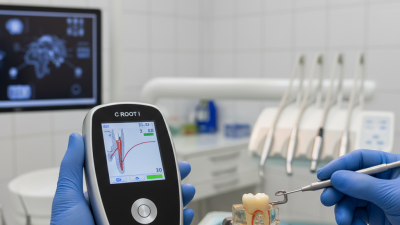
The C Root I Apex Locator boasts impressive features that enhance the precision of root canal measurements. It employs advanced electrical impedance technology, which allows for real-time feedback on the position of the file within the canal. This level of accuracy minimizes the risk of over-instrumentation, often cited in literature as a common challenge faced by clinicians. A study published in the Journal of Endodontics indicates that apex locators can improve accuracy by up to 15%, translating to better treatment outcomes.
One notable aspect is its user-friendly interface. Practitioners can easily understand the readouts, fostering quicker decision-making during procedures. The device also holds a compact design, encouraging greater portability without compromising reliability. However, it is crucial to remember that while technology aids in precision, clinicians should not rely solely on these devices. Calibration is essential and any discrepancies in readings must be carefully evaluated.
Research demonstrates that correct placement of an apex locator significantly decreases the chances of complications. Yet, understanding individual patient anatomy remains paramount. Every case presents unique challenges that may not be reflected in device data. Continuous education on root canal anatomy is essential to complement the technological advancements in endodontics.
Principles Behind Apex Locators and Root Canal Measurement
Apex locators revolutionize the way endodontists measure root canal lengths. These devices provide accurate readings by assessing the electrical resistance in the area surrounding the root apex. Research indicates an accuracy rate of over 90% for modern apex locators, enhancing treatment outcomes significantly. This precision helps prevent common pitfalls such as instrument breakage or inadequate cleaning of the canal system.
The principle behind apex locators lies in the different electrical conductivities of apical tissues and fluids. Healthy tissues conduct electricity better than necrotic ones. When endodontists insert a file, the locator measures this conductivity. It is crucial to note that factors like moisture and anatomical variations can affect readings. A study published in the *Journal of Endodontics* illustrated that misinterpretation occurred in about 15% of cases, underscoring the need for skill and practice in using these tools effectively.
While apex locators offer advanced insights, they are not infallible. Clinicians should integrate their findings with radiographic assessments for the best results. The reliance on technology should never overshadow the dentist's clinical judgment. Experience and training remain vital to interpret data accurately. As the field evolves, endodontists must remain adaptable, ensuring a harmonious blend of technology and personal expertise in root canal treatments.
Step-by-Step Guide to Using the C Root I Apex Locator
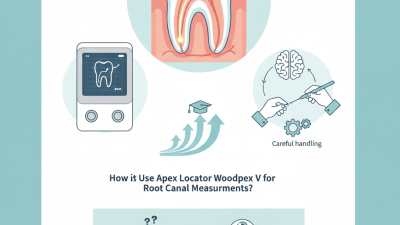
Using the C Root I Apex Locator can significantly enhance the accuracy of root canal measurements. This device is designed to locate the apical endpoint of the root canal through electrical resistance. According to a study published in the Journal of Endodontics, using an apex locator improved the accuracy of canal length determination by about 90%. This is essential, as incorrect measurements can lead to treatment failure.
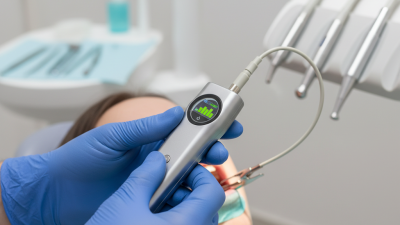
To start using the C Root I, ensure proper calibration. This step is critical for reliable readings. Insert the file into the canal and connect it to the locator. The digital display will provide real-time feedback. It is advisable to use a recording system for tracking measurements, as this can aid in reflecting on the outcomes post-procedure. Remember that working with varying canal anatomies presents challenges. An awareness of limitations and potential errors is vital.
In cases where the measurement shows inconsistencies, reevaluate your technique. Factors like moisture or debris can affect readings. Knowing this allows practitioners to adjust their methods accordingly. Clinicians must remain vigilant and adaptable, as every tooth may present unique challenges. Continuous learning and adaptation are essential in achieving precise root canal treatments.
Common Mistakes to Avoid When Measuring Root Canals
Accurate root canal measurements are crucial for successful treatment. However, many practitioners make common mistakes that can lead to errors. One frequent issue is improper calibration of the measurement device. Without regular calibration, the Apex Locator may provide misleading readings. Ensure you follow the manufacturer's guidelines for calibration frequency.
Another mistake is neglecting the importance of tooth preparation. Before taking measurements, proper cleaning of the canal is essential. Debris and fluids can affect measurements. Always use a rubber dam to keep the area dry. Additionally, be mindful of the canal’s anatomy. Each canal may have unique curves and can make measuring more complex.
Lastly, many overlook patient factors. Conditions such as inflammation or infection can change canal resistance. These variations may skew measurements. A thorough examination before using the locator is vital. Always reflect on your technique, and adjust based on each clinical scenario.
Tips for Achieving Accurate Readings with Apex Locators
Accurate readings with apex locators can significantly enhance root canal treatments. One critical tip is to ensure proper moisture levels at the tooth's access point. Excessive moisture can lead to inaccurate measurements. Dry the canal walls with sterile paper points before using the locator. This simple step can improve the reliability of the readings.
Another important aspect is understanding how to interpret the locator's signals. Feedback systems often display different colors or sounds. Familiarize yourself with these indicators to avoid misinterpretation. It’s not uncommon to rely solely on the device, but clinical judgment is essential. Occasionally, apex locators may provide conflicting information, especially in complex cases. Reflecting on past experiences can guide future decisions.
Lastly, consistent calibration of the device is vital. Regular checks can prevent malfunctions that lead to mistaken readings. Despite having technology at our fingertips, nothing replaces thorough training and experience. Reflected on previous challenges can improve one’s technique. Recognizing that technology is a tool, and not the sole answer, shifts the focus back to the clinician’s expertise.
How to Use C Root I Apex Locator for Accurate Root Canal Measurement?
| Measurement Parameters |
Recommended Range |
Common Errors |
Tips for Accuracy |
| Working Length |
20-25 mm |
Device not calibrated |
Calibrate device before use |
| Apex Position |
1 mm from the apex |
Improper electrode placement |
Ensure accurate electrode contact |
| Resistance Measurement |
≤ 300 ohms |
Excessive saliva or blood |
Dry working area |
| File Size Selection |
ISO size 15-40 |
Using incorrect file size |
Choose appropriate file for canal size |