
The 2026 global herb market will reward suppliers who can prove quality, not merely describe it. Buyers increasingly expect traceable origins, consistent potency, clean processing, and dependable documentation. The World Health Organization’s Global Traditional Medicine Strategy 2025–2034 highlights quality, safety, evidence, and responsible supply chains as critical priorities. These priorities now reach every carton of dried turmeric, peppermint, rosemary, or ashwagandha.
Market forecasts from Grand View Research and IMARC indicate continued growth in herbal products, dietary supplements, and botanical ingredients through the decade. However, market size does not prove product quality. A bright green leaf may still carry pesticide residues. A polished certificate may not confirm botanical identity. Details matter. Buyers should examine GACP or organic practices, validated testing, moisture levels, heavy-metal results, microbial limits, and batch-specific certificates of analysis. DNA testing can help, but it is not perfect for processed extracts.
Mark Blumenthal, founder and executive director of the American Botanical Council, has emphasized that “quality control is the foundation of consumer confidence in herbal products.” His point remains practical. Quality Herbs begins with correctly identified plants and continues through harvesting, drying, storage, and shipment. CBI reports on European natural ingredients also stress documentation, sustainability, and buyer confidence. Still, no checklist guarantees excellence. Suppliers can miss seasonal variation, regional contamination, or weak post-harvest handling. Global buyers should ask harder questions, compare independent laboratory results, and inspect the physical product. The best herbs in 2026 will be those that perform consistently, arrive transparently, and withstand careful review. Truthfully, some supply chains still need improvement.
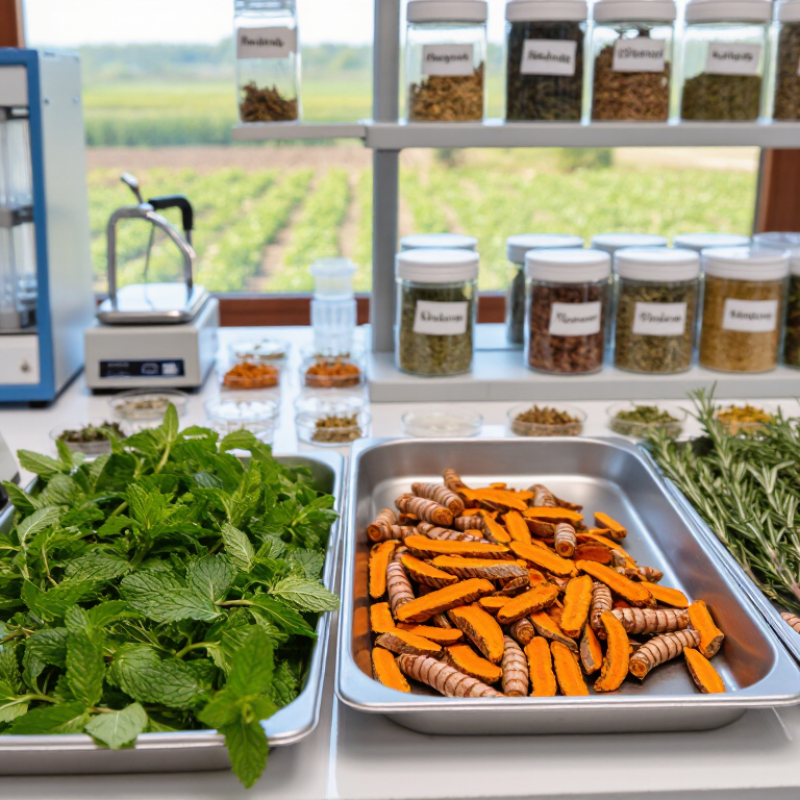
For global buyers in 2026, high-quality herbs begin with correct botanical identity. A dried leaf may look attractive yet belong to the wrong species. Experienced buyers request Latin names, plant parts, harvest locations, and authenticated reference samples. DNA testing can support identification, but it is not perfect for every processed herb.
Purity also depends on measurable conditions. Moisture should suit the herb’s structure and intended use. Excess moisture can encourage mold during ocean transport. Reliable suppliers provide batch-specific tests for microbes, pesticides, heavy metals, foreign matter, and unwanted dyes. A clear certificate of analysis helps, but buyers should verify the laboratory and testing dates. Paperwork alone proves little.
Traceability makes quality easier to trust. Each batch should connect to a grower, harvest period, processing site, and storage record. Clean floors, sealed containers, gentle drying, and temperature control protect aroma and color. I have seen visually bright herbs lose their character after poor warehouse storage. This detail is easy to miss. Sustainability and worker standards also matter, especially when buyers need stable long-term supply. Yet no checklist catches every weakness. Sampling can miss uneven contamination, and supplier records may contain gaps. Independent testing and careful communication remain necessary when quality decisions affect multiple markets.
Indicative maximum moisture benchmarks for commonly traded dried herbs. Lower moisture generally supports better shelf stability, provided the herb is not overdried and its aroma, color, identity, and active compounds remain within specification.
Reference purchasing benchmarks: chamomile, turmeric, ginger, and rosemary are commonly specified at 10% maximum moisture, while peppermint is often specified at 12% maximum. Actual requirements vary by pharmacopoeia, origin, processing method, product form, and destination-country regulations. High-quality sourcing also requires botanical authentication, pesticide-residue compliance, microbial testing, foreign-matter control, and full lot traceability.
When global buyers evaluate herbs in 2026, quality starts with correct identity. The Latin botanical name should match the purchased plant. The specified plant part matters too. Leaves, roots, flowers, and seeds have different quality profiles. Suppliers should provide origin, harvest season, processing method, and lot identification. A clear traceability record helps buyers investigate problems quickly.
Physical inspection remains useful. I check color, aroma, texture, foreign matter, insect damage, and visible mold. A clean appearance is not proof of safety. Laboratory testing should confirm moisture, microbial limits, pesticide residues, heavy metals, and relevant active compounds. Testing methods must be suitable for the herb and accepted by the destination market. Certificates deserve careful review. Dates, lot numbers, laboratory details, and results should agree. Small mismatches can signal weak control.
Storage conditions also affect quality. Excess humidity can cause clumping, fading, or microbial growth. Packaging should protect the herb from light, moisture, pests, and cross-contamination. Buyers should compare samples against approved specifications before shipment. I have seen good samples lose aroma after poor transport. That risk is easy to underestimate. Another imperfect practice is relying too heavily on one test report. Independent verification may reveal variation between production lots. Seasonal changes can affect color and potency. Regular supplier reviews, retained samples, and documented corrective actions create stronger evidence than attractive claims.
A practical buyer reference for evaluating identity, purity, safety, processing quality, and documentation before purchase.
| Herb | Botanical Identity | Preferred Commercial Part | Key Quality Indicators | Typical Moisture Target for Dried Material | Safety and Purity Checks | Recommended Verification Methods | Storage and Packaging Requirements |
|---|---|---|---|---|---|---|---|
| Turmeric | Curcuma longa | Cleaned and dried rhizome; whole, sliced, or powdered | Bright yellow-orange color; characteristic aroma; high curcuminoid content; low starch adulteration; limited fibrous material | Usually ≤10% | Test for lead, cadmium, arsenic, mercury, pesticide residues, aflatoxins, Sudan dyes, and undeclared synthetic colorants | Botanical microscopy, HPTLC or HPLC fingerprinting, curcuminoid assay, moisture analysis, and multi-residue contaminant testing | Use food-grade moisture-barrier bags; protect from light, heat, humidity, and strong odors; store on pallets in a dry warehouse |
| Ginger | Zingiber officinale | Washed and dried rhizome; sliced, granulated, or powdered | Fresh, pungent aroma; pale cream to light tan appearance; low foreign matter; strong gingerol and shogaol fingerprint | Usually ≤10–12% | Check for microbial contamination, pesticide residues, heavy metals, aflatoxins, and excessive sulfur dioxide where applicable | Macroscopic examination, microscopy, HPTLC or HPLC profile, moisture and water-activity testing, microbiological analysis | Pack in sealed, food-grade liners; prevent moisture uptake and condensation; keep away from direct sunlight and volatile chemicals |
| Peppermint Leaf | Mentha × piperita | Dried leaves and flowering tops | Distinctive menthol aroma; green color; low stem content; characteristic essential-oil profile; minimal browning | Usually ≤12% | Evaluate pesticide residues, microbial counts, foreign plant material, heavy metals, and possible adulteration with other Mentha species | Botanical microscopy, essential-oil profile by GC-MS or GC-FID, moisture testing, sieve analysis, and microbiological testing | Use opaque or light-resistant packaging; avoid compression that damages leaves; store cool, dry, and away from odor contamination |
| Chamomile Flower | Matricaria chamomilla | Whole dried flower heads or cut flower material | Strong apple-like aroma; intact flower heads; bright yellow disc florets; low levels of stems, dust, and darkened material | Usually ≤12% | Screen for pesticide residues, microbial contamination, heavy metals, foreign flowers, and excessive insect damage | Botanical identification, microscopy, volatile-oil or marker-compound analysis, moisture testing, and microbial testing | Use breathable but protective inner liners; minimize crushing; protect from humidity, light, and prolonged heat exposure |
| Oregano | Origanum vulgare | Dried leaves and tender stems | Strong characteristic aroma; green to gray-green color; high volatile-oil quality; low stem and foreign-leaf content | Usually ≤12% | Check for adulteration with olive leaves or other plant material, pesticide residues, Salmonella, total microbial counts, and heavy metals | Microscopy, HPTLC or DNA-based identification where appropriate, essential-oil profiling, sieve analysis, and microbiological testing | Use sealed, food-grade packaging with oxygen and moisture protection; keep cool and dark to preserve volatile compounds |
| Ceylon Cinnamon | Cinnamomum verum | Quills, chips, or powdered bark | Sweet, delicate aroma; thin layered quills; low woody core; authentic species identity; naturally low coumarin compared with cassia types | Usually ≤12% | Confirm species identity; test coumarin level, pesticide residues, heavy metals, aflatoxins, and microbial quality | Macroscopic and microscopic examination, HPTLC or DNA authentication, coumarin analysis by HPLC, and contaminant testing | Use high-barrier packaging for powder; protect from humidity and light; maintain lot separation for traceability |
| Black Pepper | Piper nigrum | Whole dried peppercorns or ground fruit | Uniform dark color; characteristic pungency; high bulk density; low light berries, stalks, stones, and other foreign matter | Usually ≤12% | Test for Salmonella, aflatoxins, pesticide residues, heavy metals, mineral oil contamination, and non-pepper adulterants | Visual grading, microscopy, piperine assay, density and sieve tests, moisture and water-activity analysis, microbiological testing | Use clean, sealed, moisture-resistant bags; prevent exposure to high humidity; store away from chemicals and strong-smelling products |
| Rosemary Leaf | Salvia rosmarinus | Dried leaves and young leafy stems | Gray-green needle-like leaves; intense resinous aroma; low woody stem content; stable essential-oil profile | Usually ≤12% | Check pesticide residues, heavy metals, microbial counts, foreign plant material, and oxidation-related quality loss | Botanical microscopy, GC-MS or GC-FID essential-oil profiling, moisture testing, and microbiological analysis | Use light-protective, sealed packaging; limit oxygen exposure; store in a cool, dry environment to preserve aroma |
| Milk Thistle Seed | Silybum marianum | Ripe dried seeds, whole or milled | Correct seed morphology; clean and mature seeds; verified silymarin complex; low rancidity and low foreign matter | Usually ≤9% | Test for pesticide residues, heavy metals, aflatoxins, microbial contamination, and oil oxidation where the seed is milled | Macroscopic and microscopic identification, HPLC assay of silymarin-related compounds, moisture testing, peroxide-value testing when relevant | Use oxygen- and moisture-barrier packaging; protect milled material from heat and oxidation; apply strict lot traceability |
| Ashwagandha Root | Withania somnifera | Cleaned dried root, cut root, or root powder | Correct root anatomy; characteristic odor; verified withanolide fingerprint; low sand, soil, stem, and leaf contamination | Usually ≤10% | Screen for heavy metals, pesticide residues, aflatoxins, microbial contamination, and undeclared pharmaceutical or synthetic ingredients | Botanical microscopy, HPTLC or HPLC fingerprinting, withanolide analysis, moisture testing, and microbiological examination | Use sealed food- or pharmaceutical-grade liners; protect powder from humidity and cross-contamination; retain representative samples |
Buyer note: Moisture values shown are common commercial targets rather than universal legal limits. Final specifications should be aligned with the importing market, intended use, applicable pharmacopoeia or food standard, customer requirements, and an independent laboratory certificate of analysis.
Global buyers in 2026 are paying closer attention to herb quality, not only price. Culinary leaf herbs remain valuable for seasoning, sauces, teas, and ready-to-eat foods. Buyers usually inspect aroma, natural color, cut size, moisture, and microbial results. Traceability matters. Each lot should show the botanical name, harvest region, processing date, and storage conditions.
Root and seed herbs serve different commercial needs. Roots are often selected for powdered beverages, traditional wellness products, and standardized extracts. Seeds can support bakery products, spice blends, cold-pressed oils, and digestive tea formulas. Their value depends on clean sorting, stable moisture, and verified identity. A low moisture reading alone does not prove freshness. Storage temperature can still damage aroma and active compounds.
Flowering herbs and aromatic leaves are popular in herbal infusions, natural cosmetics, and fragrance applications. Buyers should request pesticide screening, heavy metal analysis, microbial testing, and a current certificate of analysis. Organic status may help, but it should never replace laboratory evidence. I would also check packaging seals and odor before approving a shipment. A slightly dusty sample can reveal poor handling, even when paperwork looks complete. Specifications may need revision after real production trials, because laboratory quality does not always guarantee the best taste, color, or processing performance.
What makes a herb “best” in 2026 is not appearance alone. Global buyers increasingly assess identity, purity, origin, and supply-chain control. A reliable supplier should provide botanical names, plant parts, harvest dates, and lot numbers. Certificates may include HACCP, ISO 22000, organic certification, or other schemes accepted in the destination market. Certification helps, but it is not proof of every shipment’s quality.
Traceability should work backward and forward. Buyers need to connect a finished lot with the farm, drying site, storage room, and transport records. A practical audit checks moisture, pesticide residues, heavy metals, microbial limits, and adulteration risks. Independent laboratory results should match the exact lot being shipped. Photos of sealed cartons, calibrated scales, and clean drying racks can reveal useful details. Small details matter.
Compliance becomes more difficult when one herb crosses several borders. Importers must review labeling, permitted claims, phytosanitary documents, customs classifications, and residue limits before purchase. Rules can differ between countries and change during a contract period. A certificate may also expire before arrival. That mistake is surprisingly common. Digital records improve visibility, yet they can contain incomplete entries or copied data. Buyers should verify key documents directly and retain samples for comparison. The process is not perfect, so careful questioning remains necessary.
For global buyers in 2026, “best quality” does not mean the strongest aroma or lowest price. It means identity, safety, consistency, and evidence that survives inspection. A buyer should define each herb by its accepted botanical name, plant part, harvest region, drying method, and intended use. Color and smell help, but they are only early signals. A bright green leaf can still carry excess moisture or contamination.
Compare suppliers with the same written specification. Ask for recent samples, batch-specific certificates of analysis, origin records, allergen statements, and pesticide, heavy-metal, microbiological, and mycotoxin results when needed. Check whether an independent laboratory issued the reports. Contact the laboratory when doubts remain. Traceability should reach the farm or collection area, harvest date, lot number, and processing site. During an audit, inspect clean floors, sealed containers, pest controls, calibration records, and staff hygiene. Photos are useful, but they are not an audit.
Test the sample before signing a large contract. Compare moisture, foreign matter, particle size, aroma, and identity against the specification. For powdered herbs, request analytical identification because appearance becomes less informative. Review complaint handling and recall procedures, not only sales documents. A polished certificate can hide an old result. No checklist is perfect. Buyers may miss seasonal variation, transport humidity, or uneven drying inside one lot. Keep retained samples and repeat testing after arrival. That small discipline often reveals the difference between a persuasive supplier and a dependable one.
DENTSPLY Maillefer - USA
5100 E. Skelly Drive, Suite 300
Tulsa, Oklahoma 74135
DENTSPLY Maillefer - Canada
161 Vinyl Court
Woodbridge, ON L4L 4A3
Toll-free in the U.S.:
1-800-924-7393
Toll-free in Canada:
1-800-263-1437
Toll-free in the U.S.:
1-800-924-7389
Toll-free in Canada:
1-888-336-8775