10 Best Atomized Metal Powder Manufacturers Worldwide
Atomized Metal Powder sits at the center of modern additive manufacturing, metal injection molding, thermal spraying, and powder metallurgy. Its performance depends on details that are easy to overlook: particle-size distribution, spherical shape, oxygen content, flowability, and lot-to-lot consistency. A powder may look bright and uniform in a sample jar, yet behave differently inside a printer or compaction die.
Dr. Mohsen Seifi, a recognized ASTM additive manufacturing specialist, has said, “Standards are essential for qualifying materials, machines, and processes in additive manufacturing.” This principle guides our review of the 10 Best Atomized Metal Powder Manufacturers Worldwide. The list considers production technology, material range, testing capability, quality systems, and supply reliability. Gas-atomized titanium, nickel, aluminum, stainless steel, and cobalt-chrome powders require different controls. Water-atomized steel powders demand another set of priorities.
Small differences matter.
Manufacturers with strong laboratories can report chemistry, morphology, apparent density, and particle-size data with greater confidence. Traceability also matters when aerospace, medical, automotive, or energy components require documented batches. However, no ranking is permanent. Prices change, capacities expand, and regional delivery can influence the practical choice. Even respected suppliers may show uneven performance across product lines. That is worth remembering.
This guide therefore avoids treating reputation as proof. It examines measurable evidence, published certifications, technical support, and real-world suitability. Buyers should still request current certificates, representative samples, and application-specific test results before making a final decision. Reliable powder begins with reliable information.
Definition and Role of Atomized Metal Powders
Atomized metal powders are fine metallic particles produced by breaking molten metal into droplets. Gas, water, or plasma jets perform this breakup. The droplets cool and solidify into powder during flight. Their size, shape, chemistry, and surface condition influence processing results. Spherical particles usually flow smoothly and pack efficiently. Irregular particles may improve certain pressing behaviors, but they often reduce flow consistency.
These powders support additive manufacturing, metal injection molding, thermal spraying, and conventional powder metallurgy. In metal printing, controlled particle sizes help create stable powder layers. A narrow distribution can improve spreading, although an overly narrow range may reduce packing density. Manufacturers therefore balance flowability, density, oxygen content, and production cost. Small differences matter. A damp powder can clog feeding systems or create inconsistent layers.
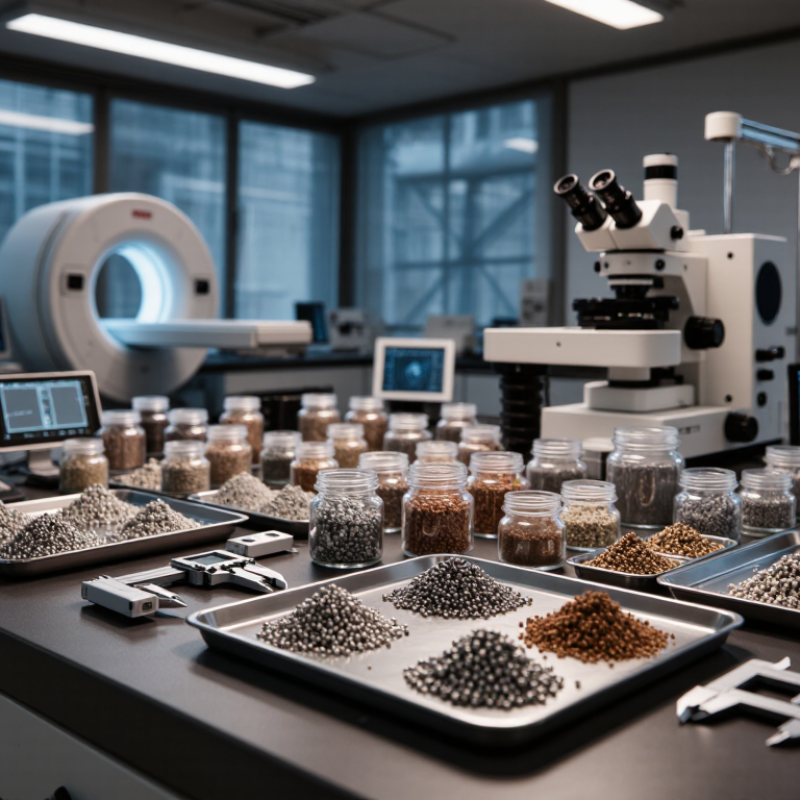
Reliable suppliers document each batch through chemical analysis, particle-size testing, microscopy, and flow measurements. Certificates are useful, but buyers should not treat them as complete proof. Independent sampling can reveal segregation, satellites, or surface oxidation. Traceability from melting to packaging also supports safer process control. In practice, no powder is perfectly uniform. Even experienced engineers may overlook storage humidity or repeated recycling. That weakness deserves attention when comparing atomized metal powder manufacturers worldwide.
Key Steps in the Metal Powder Atomization Process
Metal powder atomization begins with feedstock selection. The alloy must match the intended application, not merely the machine. Producers melt the metal in a controlled furnace, often under vacuum or inert gas. Oxygen control is critical because small contamination can change flowability, density, and final strength.
The molten stream then passes through an atomizing nozzle. High-pressure gas or water breaks it into droplets. Gas atomization usually creates spherical particles for additive manufacturing. Water atomization produces more irregular shapes, but often reduces production costs. A 2024 market analysis by Grand View Research estimated the global metal powder market at over USD 7 billion in 2023. That scale increases pressure for consistent, measurable processing. Still, larger output does not guarantee better powder.
Cooling rate shapes the final microstructure. Particles are collected, dried when necessary, and classified by size. Sieving and air separation remove oversized particles and excessive fines. Manufacturers then test particle-size distribution, apparent density, flow rate, morphology, and chemical composition. ASTM International standards support several of these evaluations. The 2024 Wohlers Report also highlights material consistency as a continuing concern in metal additive manufacturing. This concern is justified. A powder may pass one test and still perform poorly during recoating. Batch traceability, sealed packaging, and repeated sampling therefore matter. The process looks simple from outside. It is not.
Criteria for Evaluating Global Powder Manufacturers
Choosing among the 10 best atomized metal powder manufacturers worldwide requires more than comparing catalog prices. Practical experience starts with the powder itself. A reliable producer should explain its atomization method, particle-size distribution, morphology, oxygen content, moisture level, and apparent density. These details affect flow through a feeder and the final part’s strength. Request recent batch data, not only standard specification sheets. Small differences matter.
Quality systems deserve close inspection. Manufacturers should provide traceable lot numbers, controlled sampling procedures, calibrated instruments, and documented release tests. Independent laboratory verification can confirm chemistry and particle size when the application carries high performance demands. Certifications are useful, but they do not replace process evidence. A clean certificate proves little by itself. Ask how the company handles nonconforming powder, customer complaints, and production changes.
Technical support also separates dependable suppliers from ordinary ones. Experienced teams can recommend powder grades for additive manufacturing, thermal spraying, or powder metallurgy without making unrealistic promises. Examine packaging, storage guidance, delivery reliability, and communication during urgent technical questions. Visiting a production site can reveal housekeeping, equipment maintenance, and operator discipline. Still, no manufacturer is flawless. I would record weaknesses openly, including delayed reports or inconsistent response times. That honest record may be more valuable than polished marketing language. Evaluate several production lots before making a long-term decision.
Criteria for Evaluating Global Atomized Metal Powder Manufacturers
Representative qualification benchmarks commonly used for metal powder used in additive manufacturing and powder metallurgy.
The chart presents practical reference targets rather than company-specific results. Particle-size distribution, oxygen control, particle morphology, flowability, apparent density, and quality-system certification are widely reviewed when comparing global powder manufacturers. Actual limits vary by alloy, atomization method, and application standard.
Profiles of Ten Leading Atomized Metal Powder Manufacturers
10 Best Atomized Metal Powder Manufacturers Worldwide
The first manufacturer profile focuses on gas atomization for aerospace-grade titanium powders. Its strengths include tight particle-size control, low oxygen levels, and documented batch testing. The second specializes in water-atomized iron and steel powders for pressing and sintering. It offers practical production volumes and consistent flow behavior. The third serves additive manufacturing users with spherical aluminum and nickel powders. Its laboratories typically inspect morphology, density, chemistry, and powder spreadability. Small details matter.
A fourth manufacturer is known for copper-based powders used in thermal management and electrical components. It emphasizes conductivity data and controlled cooling conditions. The fifth produces stainless steel powders for injection molding and complex industrial parts. Feedstock cleanliness is a major concern. The sixth supplies cobalt-free alternatives and carefully monitors contamination risks. That work requires patience. The seventh operates large-scale facilities for construction, tooling, and general engineering applications. Its value often comes from stable delivery rather than impressive marketing.
The eighth profile represents a specialist in refractory metal powders, where melting temperatures demand advanced equipment and strict process control. The ninth develops customized powder grades for research laboratories and pilot production. It may provide smaller batches, but technical communication is often stronger. The tenth combines atomization with sieving, blending, and surface treatment services. Buyers should review certificates, sampling methods, storage practices, and traceability records. A polished datasheet is useful, yet it cannot replace independent testing. Some manufacturers still provide limited long-term performance data, which deserves careful consideration before qualification.
Applications and Factors for Choosing a Manufacturer
Atomized metal powders support demanding processes, including additive manufacturing, powder metallurgy, thermal spraying, and metal injection molding. Each application needs different powder behavior. Fine particles may improve surface detail, but they can reduce flowability and increase handling challenges. Larger particles often feed more smoothly, though they may leave rougher surfaces.
Choosing a manufacturer requires more than comparing prices. Check particle-size distribution, morphology, oxygen content, tap density, and flow rate. These values directly affect spreading, compaction, melting, and final strength. Ask for recent batch certificates, test methods, and traceability records. A reliable producer should explain variations clearly, not hide behind impressive averages.
Production capacity also matters. A supplier may provide excellent laboratory samples but struggle with repeat orders. Request pilot quantities before approving large volumes. Inspect packaging, moisture protection, and storage guidance. Confirm whether the manufacturer follows documented quality procedures and maintains suitable workplace controls. Communication is practical evidence of expertise. Slow answers can become expensive delays.
No manufacturer is perfect. I would still question unusually consistent data. Real production has small variations. The important issue is whether they measure, disclose, and control them. Suppliers with technical support can help adjust powder grades for laser power, layer thickness, or molding pressure. Cost matters, but unstable powder creates more waste, downtime, and rework.
