How to Improve Reproductive System Health Naturally?
Reproductive System Health is a critical aspect of overall well-being, yet it often gets overlooked. Dr. Emily Carter, a renowned expert in reproductive health, emphasizes, “Natural approaches can truly enhance reproductive wellness.” This perspective invites individuals to explore holistic methods to support their reproductive systems.
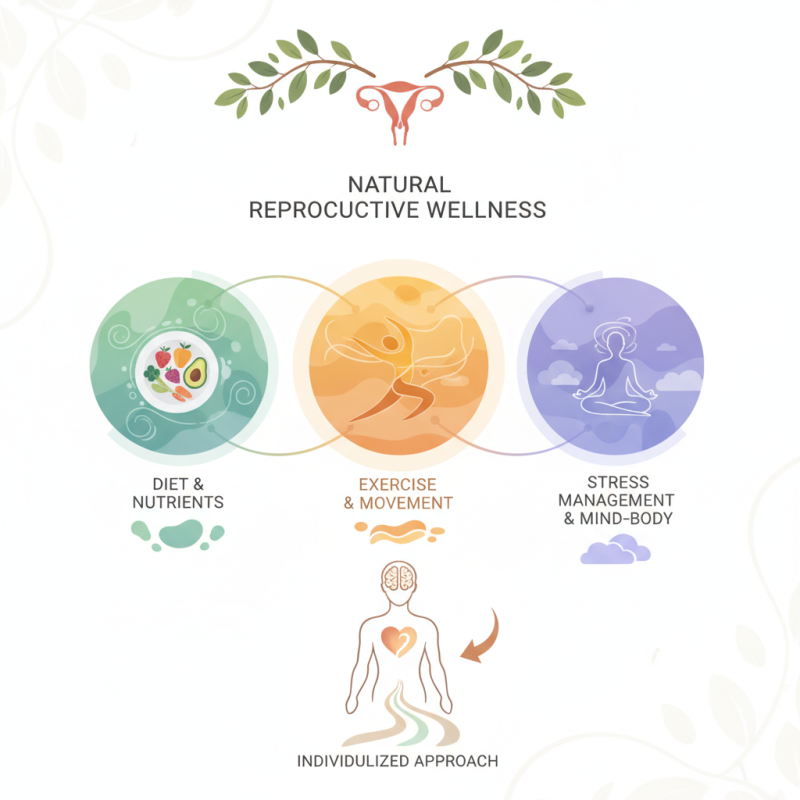
Understanding natural ways to improve reproductive health can empower people. Diet, exercise, and stress management play significant roles. Nutrient-rich foods can boost hormone balance. For example, incorporating fruits, vegetables, and healthy fats enhances fertility. Simple lifestyle changes can make a profound difference.
However, navigating this journey isn't always straightforward. Misinformation can cloud judgment. Additionally, individual needs vary greatly. Some may find success with certain practices, while others may struggle. A personalized approach is crucial. Listening to one’s body is essential for optimal Reproductive System Health.
Understanding the Basics of Reproductive System Health
Understanding the basics of reproductive system health is crucial. The reproductive system plays a vital role in overall well-being. For both men and women, maintaining a healthy system is necessary for fertility and hormonal balance. Poor diet, stress, and environmental toxins can negatively impact reproductive health.
One effective way to support reproductive health is through nutrition. Include plenty of fruits and vegetables in your diet. Foods rich in omega-3 fatty acids, like walnuts and flaxseeds, can help. However, people often overlook the importance of hydration. Drinking enough water daily supports bodily functions, including reproductive health.
Managing stress is another important aspect. Techniques such as yoga and meditation can be beneficial. They not only help reduce anxiety but also support hormonal balance. Consider incorporating these practices into your routine. Reflect on how stress affects your life. Addressing emotional well-being matters.
Physical activity also plays a key role. Regular exercise improves circulation and boosts mood. Aim for at least 30 minutes of moderate activity most days. However, listen to your body. Over-exercising can sometimes lead to menstrual irregularities. A balanced approach is essential for maintaining reproductive health.
Key Nutrients for Supporting Reproductive Health
Enhancing reproductive health naturally involves focusing on key nutrients. Vitamins and minerals play vital roles in this process. For instance, folate, found in leafy greens, is crucial for DNA synthesis. It can improve fertility in both men and women.
Omega-3 fatty acids are another important component. These healthy fats, present in fish and flaxseeds, support hormone production. They help regulate menstrual cycles and reduce inflammation. Consider integrating these foods into your daily meals for optimal benefits.
Vitamin D is often overlooked but essential. It affects reproductive hormones and may enhance egg quality. Sunlight exposure is a natural source of this vitamin. Additionally, zinc is significant for male fertility. Foods like nuts and seeds can provide a good supply.
Reflecting on dietary habits can reveal areas for improvement. Are you prioritizing these nutrients? Small changes can lead to significant impacts on your reproductive health.
Natural Supplements and Herbs for Reproductive Wellness
Maintaining reproductive health is essential for overall well-being. Natural supplements and herbs can play a significant role in supporting reproductive wellness. Certain nutrients are known to enhance hormonal balance and improve fertility.
Vitamin D is crucial for reproductive hormone regulation. Many people have low levels due to limited sun exposure. Consider spending time outdoors to boost your Vitamin D naturally. Foods like fatty fish and fortified cereals can help too.
Another powerful herb is Maca root. It is known to enhance libido and balance hormones. Incorporating it into smoothies or oatmeal can be a delicious way to reap its benefits. Remember, the effects may vary for each individual.
Do not underestimate the benefits of staying hydrated. Water supports all body functions, including reproductive health. Aim for at least eight glasses daily. Also, consider reducing unhealthy fats and sugars in your diet. These changes can lead to noticeable improvements over time.
Lifestyle Changes to Enhance Reproductive System Function
To enhance reproductive system health naturally, lifestyle changes play a crucial role. Research shows that a balanced diet rich in fruits and vegetables can significantly improve reproductive health. For example, a study published in the Journal of Reproductive Health found that diets high in antioxidants help reduce oxidative stress, a key factor affecting fertility.
Regular exercise is another vital aspect. Engaging in moderate physical activity can enhance hormone balance and support reproductive functions. Experts recommend at least 150 minutes of moderate exercise per week. However, excessive exercise can have adverse effects, potentially leading to hormonal imbalances. Finding a healthy balance is essential.
**Tips:** Focus on a diet rich in whole foods. Incorporate nuts, seeds, and whole grains for better nutrient absorption. Limit processed foods and sugar intake. Additionally, prioritize sleep. Lack of sleep has been linked to decreased fertility hormone levels. Aim for 7-9 hours of quality sleep each night to support overall reproductive health. Remember, it’s okay to seek professional advice when needed. Embracing these changes might take time, but they can lead to significant improvements.
How to Improve Reproductive System Health Naturally? - Lifestyle Changes to Enhance Reproductive System Function
| Lifestyle Change | Benefit | Recommended Duration | Notes |
| Regular Exercise | Improves blood circulation and hormone balance | 30 minutes, 5 times a week | Include both cardio and strength training |
| Balanced Diet | Provides essential nutrients for reproductive health | Daily | Focus on fruits, vegetables, whole grains, and proteins |
| Adequate Sleep | Helps regulate hormonal levels | 7-9 hours per night | Maintain a consistent sleep schedule |
| Stress Management | Reduces cortisol levels that can affect reproductive hormones | Daily practices recommended | Consider yoga, meditation, or deep-breathing exercises |
| Hydration | Maintains optimal cell function and nutrient transport | Daily | Aim for at least 8 cups of water a day |
Holistic Practices for Improving Reproductive Health Naturally
Improving reproductive health naturally involves embracing holistic practices that benefit the body and mind. Nutrition plays a central role. A balanced diet rich in whole foods, like fruits, vegetables, and healthy fats, supports hormonal balance. Foods like avocados and nuts can enhance fertility. Regular intake of vitamins, especially antioxidant-rich foods, promotes a healthy reproductive system.
Physical activity is equally important. Engaging in moderate exercise, such as yoga or walking, can improve blood circulation to reproductive organs. It also reduces stress, which negatively impacts hormone levels. Breathing exercises and mindfulness practices are great for mental clarity and emotional stability.
Incorporating herbal remedies might also be beneficial. However, one should be cautious and seek guidance before trying new supplements. Personal experiences vary, and what works for one person may not for another. Listening to your body and adjusting your routines is vital. There’s no one-size-fits-all approach. It's about finding what feels right for you. Embracing these practices requires patience and an open mind.
Reproductive Health Improvement Practices
